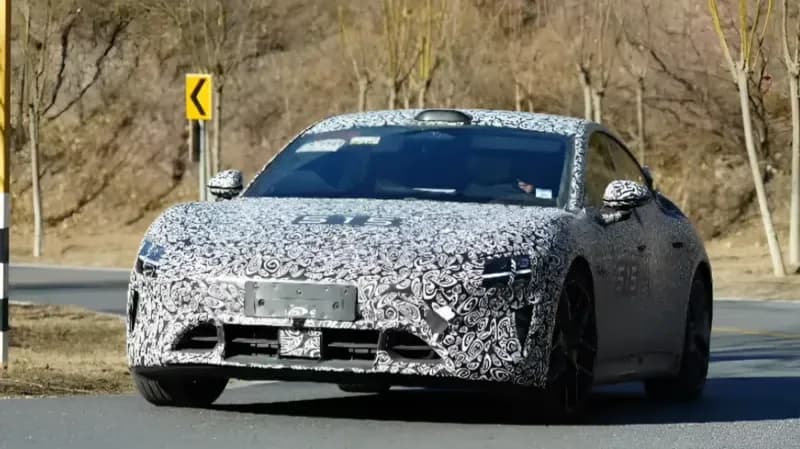
Widely regarded as the closest to a Tesla Model 3 killer, the Xiaomi SU7 is expected to unveil its 2026 model to the Chinese market in the second quarter of 2026. The model is described as a major upgrade to Xiaomi’s first production car and is expected to introduce a new platform, revised hardware and a higher price. Xiaomi has not provided official confirmation, but the upgrade has attracted a lot of attention.
Advertisement – Continue scrolling for more
The SU7 launched on March 28, 2024 with prices ranging from 215,900 – 299,900 CNY (c. $30,700–$42,600), and received 88,898 orders in its first 24 hours. Deliveries started on April 3, 2024, eventually reaching 386,528 units through November 2025. The model led sales in the mid-to-large EV sedan segment for 18 consecutive months. Sales have softened in recent months, declining to 12,520 units in November, with competition intensifying across the segment.
The 2026 SU7 is expected to increase its starting price by about 20,000 CNY (c. $2,840), raising the entry level to roughly 235,900 million CNY (c. $33,600). The adjustment aligns with a broader shift in China’s EV sector, where manufacturers have been under closer scrutiny regarding loss-making passenger vehicle pricing. The slowdown in new orders rather than production capacity has been cited as the main factor behind weaker recent volumes.
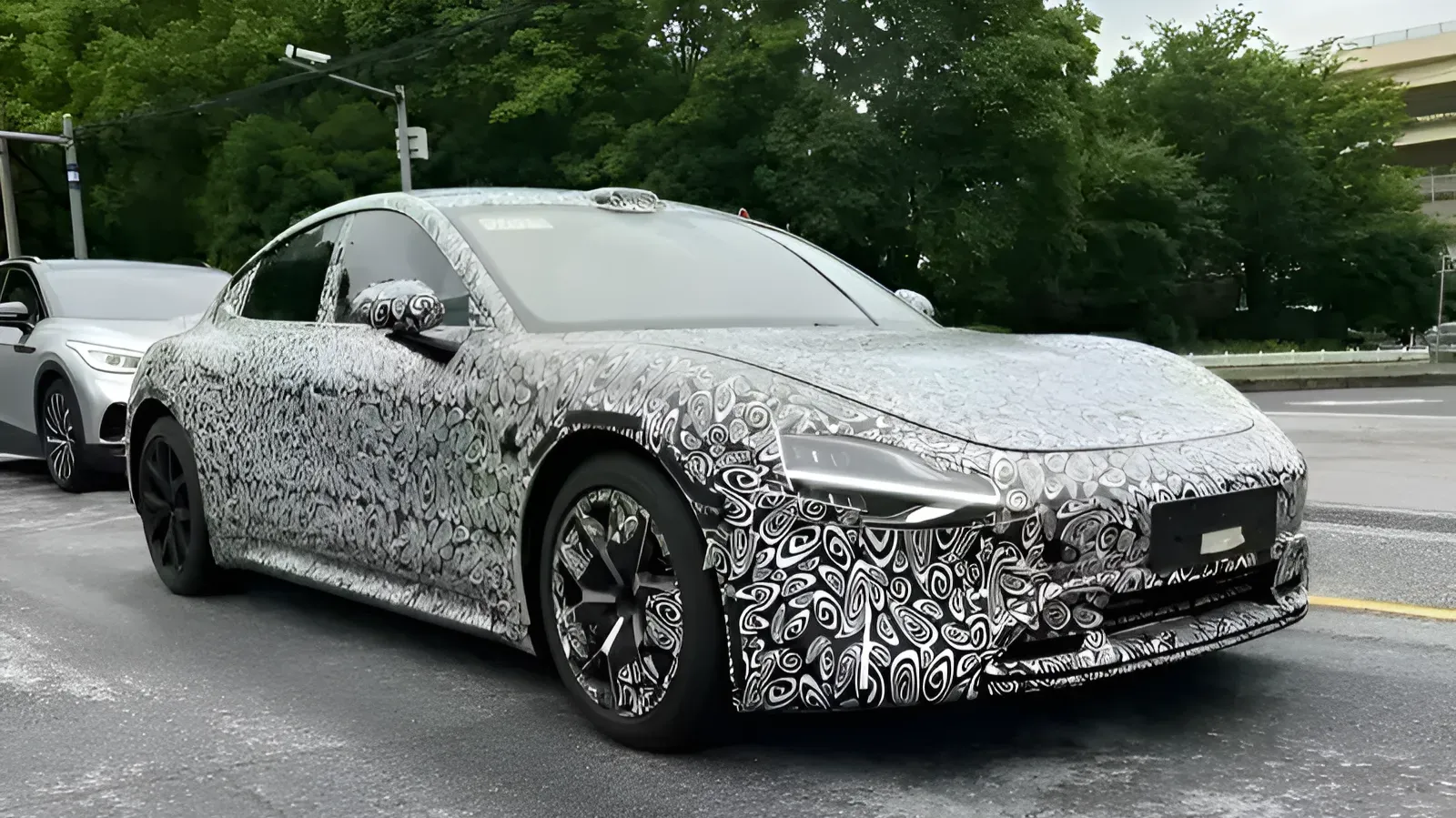
Current Standard and Pro variants of the SU7 operate on a 400V architecture, while the Max uses an 800V platform. The upcoming model is expected to unify the lineup on a 900V system with 5C charging capability. Reports also point to a new chassis and a closed dual-chamber air suspension system. Camouflaged prototypes indicate revisions to the exterior, and a long-wheelbase variant has also been seen road testing.
Advertisement – Continue scrolling for more
Battery and range figures remain uncertain. The current Standard and Pro packs are 73.6 kWh and 94.3 kWh, offering 700 km and 830 km CLTC range. The Max version uses a 101 kWh pack with an 800 km CLTC rating. Some reports suggest the next Pro may exceed 850 km (528 miles).
The powertrain lineup is expected to remain similar, including single-motor rear-wheel drive setups for lower trims and dual-motor AWD for the Max. The current Max accelerates from 0–100 km/h in 2.78 seconds, with system outputs of 495 kW and 838 Nm.
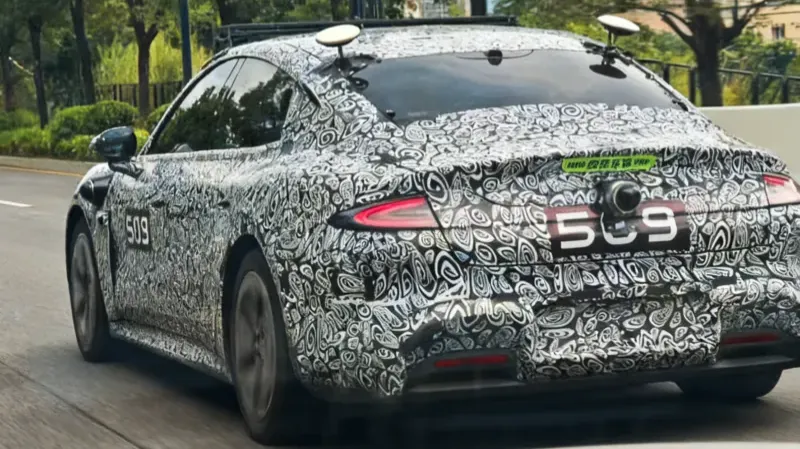
The intelligent driving system is expected to see major revisions. Today’s SU7 base configuration uses a pure-vision setup with an NVIDIA Drive Orin chip and supports expressway-assisted driving. Higher trims incorporate lidar and dual Orin-X processors. Future models are expected to include lidar and NVIDIA’s Thor-U chip as standard across the lineup, paired with upgrades to Xiaomi’s end-to-end driving software.
If deliveries begin on the expected timeline, Xiaomi will be moving toward a two-year EV product cycle. The company is continuing development of additional models, including the three-row YU9 SUV and the long-wheelbase SU7 sedan variant. Whether the upgraded SU7 can rebuild the early momentum of Xiaomi’s entry into the EV market will be central to the brand’s next phase.
Conversion rate: 1 USD = 7.029 CNY as of December 22, 2025
Advertisement – Continue scrolling for more