Source: Yangwang
BYD (HKG: 1211) is examining a potential entry into Formula 1 and the FIA World Endurance Championship, according to people familiar with the matter cited by Bloomberg on March 10, 2026. No final decision has been made, and the company declined to comment on the report.
The move would be the first serious push by a Chinese passenger car manufacturer into top-tier international motorsport. According to Bloomberg, options under consideration range from building an independent team from scratch to acquiring an existing operation. Sources indicate BYD's preferred route is acquisition, given the financial barriers involved in a new-team build.
The timing tracks with BYD's overseas growth curve. The company surpassed Tesla (NASDAQ: TSLA) in global battery-electric vehicle sales in 2025, delivering more than 2.25 million BEVs compared with Tesla's 1.63 million. Overseas sales crossed one million units for the first time in 2025, a 150% year-on-year increase, and BYD is targeting 1.3 million international deliveries in 2026. The company now sells vehicles in more than 112 countries and regions, with local manufacturing plants operating in Thailand, Brazil, and Hungary.
Advertisement – Continue scrolling for more
Despite that commercial scale, BYD's brand recognition in premium Western markets lags behind its sales volumes. Motorsport's global platform — particularly Formula 1's growing audiences in the United States, Europe, and Asia — offers the kind of concentrated exposure that conventional marketing cannot replicate at comparable speed or cost. A study by Nielsen found that F1's fanbase in China grew by 39% in 2024, with Formula 1 returning to the Shanghai International Circuit that year after a five-year COVID-induced absence. The series races in Shanghai again this weekend.
The financial scale of an F1 entry is significant. Establishing and running a team can cost upwards of $500 million per season when development, travel, driver salaries, and FIA licensing fees outside the regulated cost cap are factored in. The 2026 cost cap stands at $215 million, but many major expenditure categories remain exempt.
The benchmark for new-team entry costs was set recently when General Motors (NYSE: GM) paid a $450 million anti-dilution fee — distributed among the ten existing teams — to bring its Cadillac brand onto the grid this season as the 11th constructor. That fee came on top of development and operational expenditure. Audi entered by acquiring 100% of Sauber in a deal reported to be valued at around €600 million (c. $657 million).
Advertisement – Continue scrolling for more
Alpine, the Renault-owned team, has surfaced as the most frequently cited acquisition candidate. Private equity firm Otro Capital is seeking buyers for its 24% stake in the team, and Alpine competes in both F1 and the WEC — precisely the dual-platform footprint that BYD's reported ambitions cover.
However, Renault (EPA: RNO) CEO Luca de Meo has firmly stated the team is not for sale, reportedly rejecting a $1.2 billion acquisition offer without consideration. He has described F1 participation as integral to Alpine's brand identity. Alpine has separately announced it will exit the WEC at the end of the 2026 season and already switched from its own engine program to Mercedes power units for the current campaign.
Advertisement – Continue scrolling for more
From a technical standpoint, the 2026 F1 regulations represent a meaningful alignment with BYD's core engineering domain. The new power unit rules boosted the MGU-K's electrical output from 120 kW to 350 kW, creating an approximately 50-50 split between the 1.6-litre turbocharged V6 and the electric motor. BYD, which halted production of combustion-only vehicles in March 2022 and develops its batteries, motors, and power electronics in-house, operates squarely in the domain that now defines a meaningful share of F1 performance.
Source: Yangwang
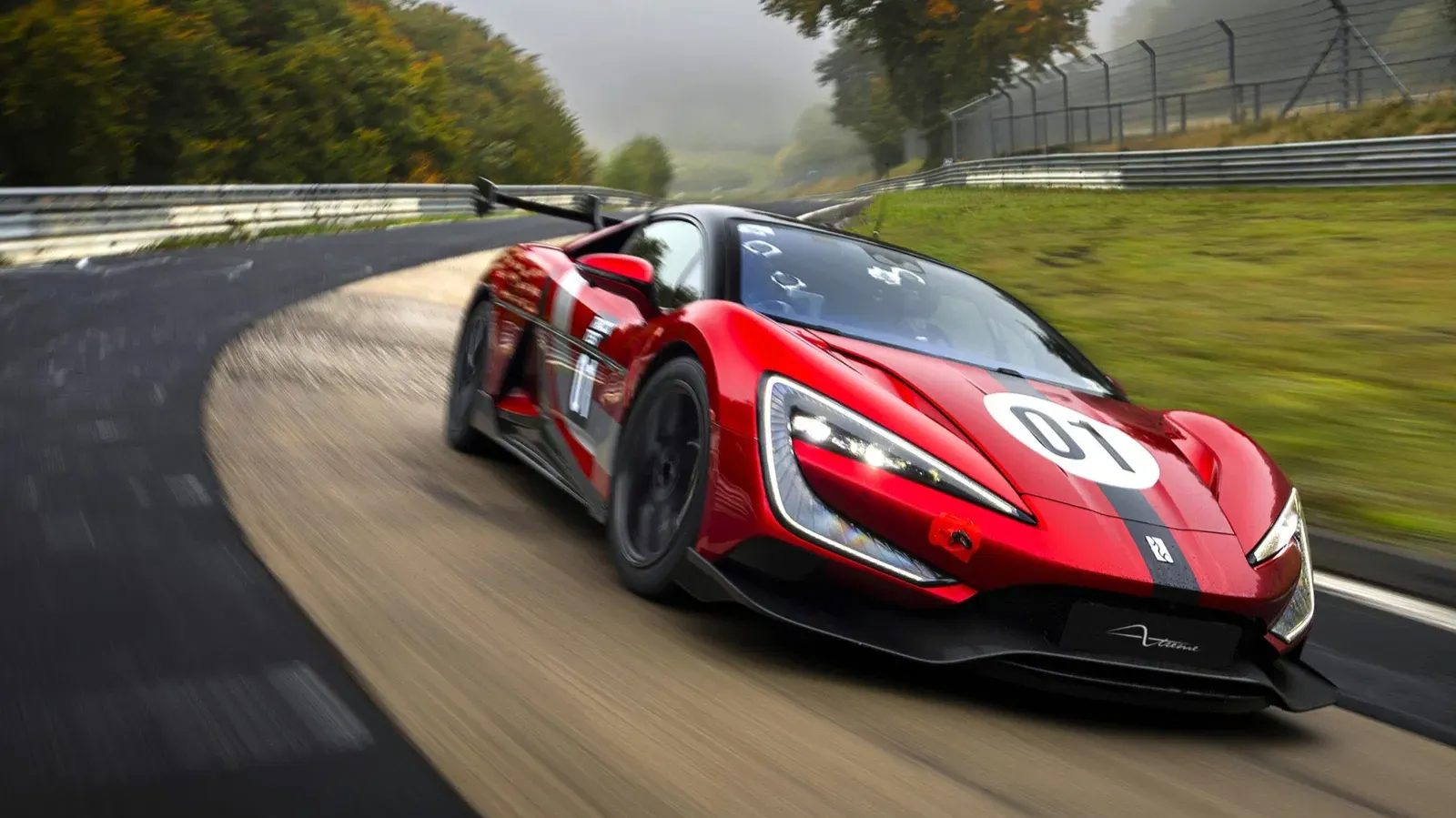
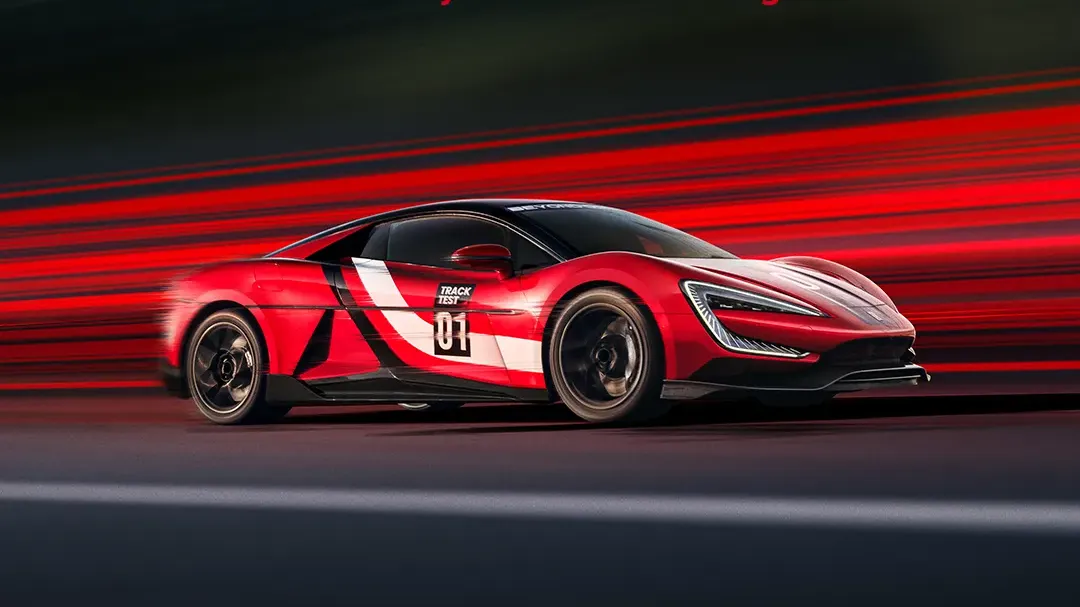
BYD's performance credentials have also grown sharper. Its Yangwang sub-brand's U9 Xtreme hypercar lapped the Nürburgring Nordschleife in 6 minutes 59.157 seconds on August 22, 2025, becoming the first production electric vehicle to break the seven-minute barrier on the circuit.
The same car recorded a top speed of 496.22 km/h (308.4 mph) at Germany's Automotive Testing Papenburg facility in September 2025, making it the fastest recorded production car in history, surpassing the Bugatti Chiron Super Sport 300+. Only 30 units are being produced. The U9 Xtreme uses a 1,200-volt silicon carbide platform with four motors delivering a combined 2,220 kW (approximately 3,000 hp).
Advertisement – Continue scrolling for more
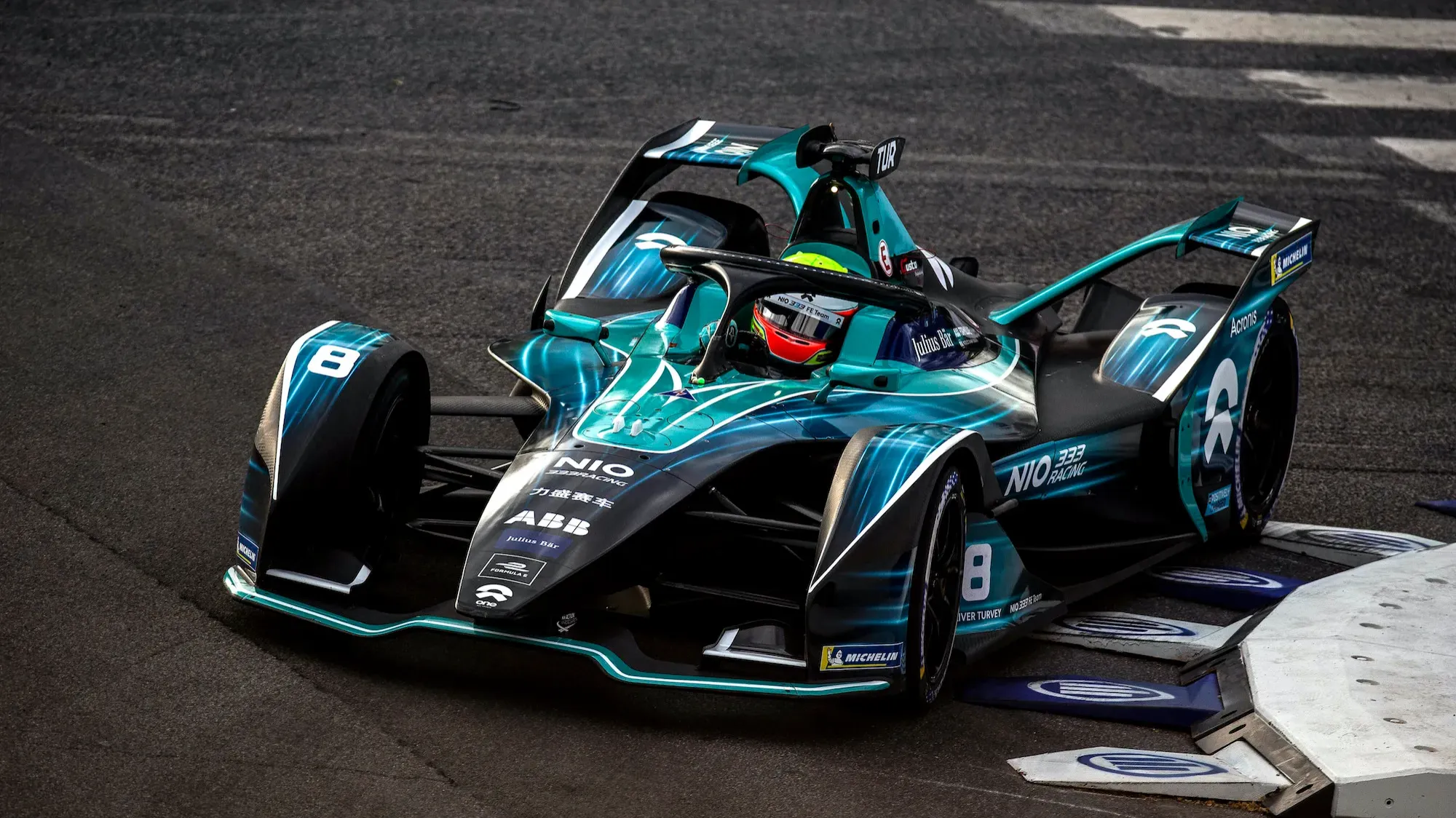
BYD is not the only Chinese manufacturer casting an eye toward international racing's premium categories. Chery Group and the Automobile Club de l'Ouest announced a collaboration in December 2025 to bring the EXEED brand to the 24 Hours of Le Mans. Geely's Lynk & Co brand has signalled its intention to enter endurance racing, and Nio (NYSE: NIO) has maintained a presence in Formula E for more than a decade.
Source: NIO
FIA President Mohammed Ben Sulayem has openly expressed his ambition to have a Chinese manufacturer on the F1 grid, telling French publication Le Figaro that following General Motors' arrival, welcoming a Chinese constructor would be the sport's next logical step. He also referenced Guanyu Zhou, the Chinese reserve driver for Cadillac, as part of the sport's existing Chinese connection.
Whether BYD ultimately advances from exploration to commitment, or finds the economics and the seat availability align, may depend as much on what happens inside Alpine's shareholder structure over the coming months as on any decision made in Shenzhen.
Advertisement – Continue scrolling for more