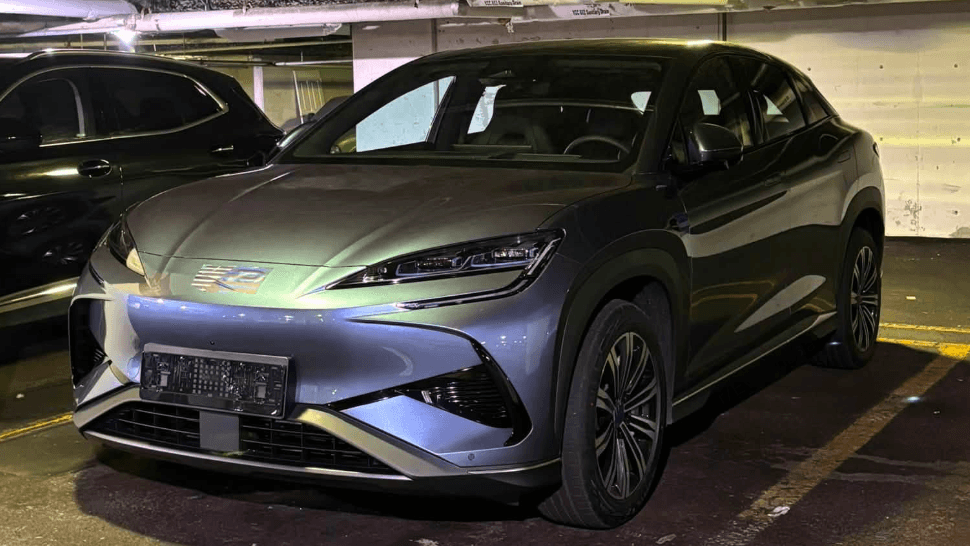
BYD is approved by Transport Canada to sell EVs in Canada as tariffs drop
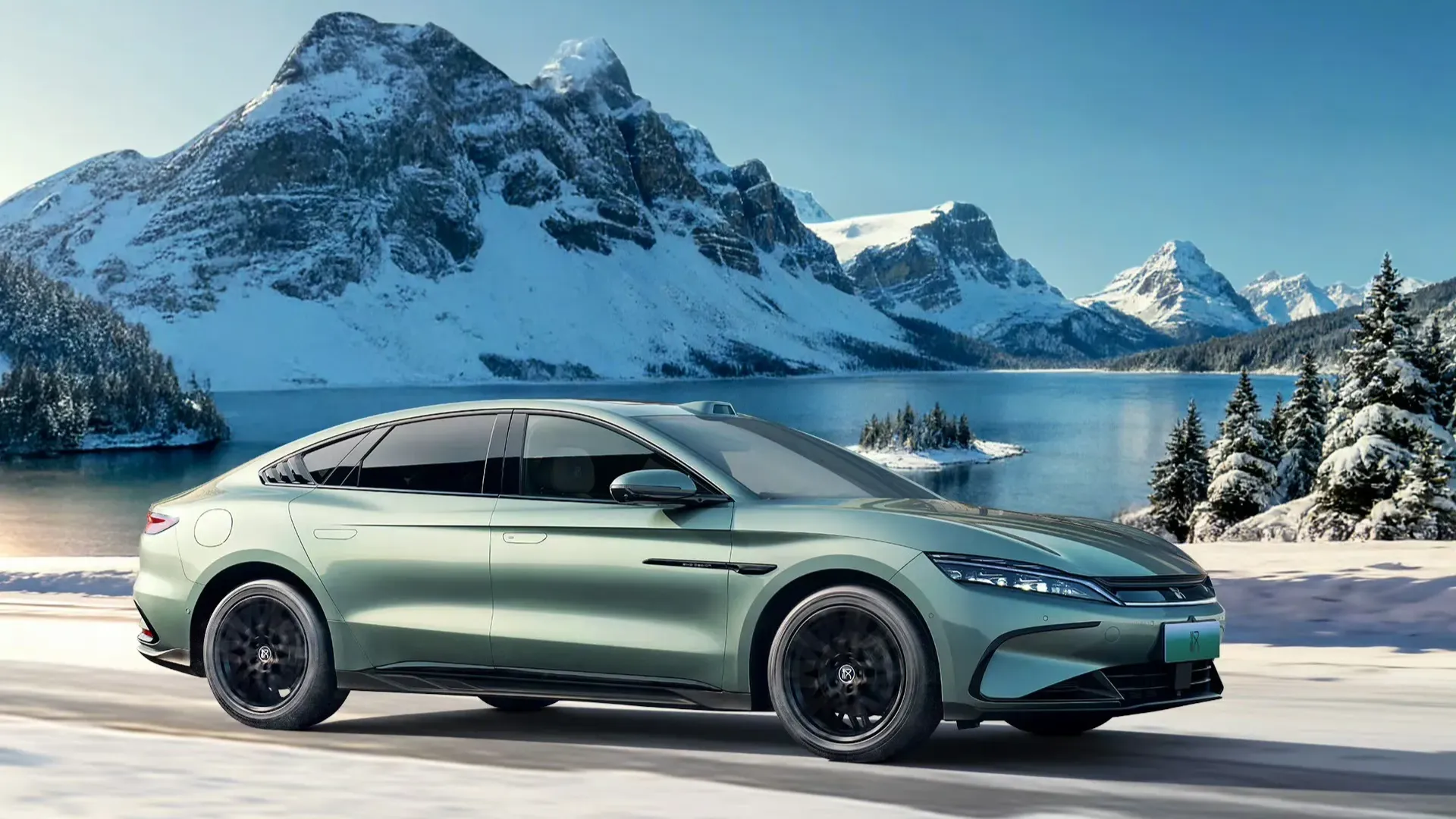
BYD (HKG:1211) has secured regulatory approval to sell passenger electric vehicles in Canada, positioning the Chinese automaker to enter the market as Ottawa prepares to implement a new tariff-quota system allowing limited imports of Chinese EVs at reduced duty rates.
The company is already listed in Transport Canada’s Appendix G registry, which authorizes foreign manufacturers to import passenger vehicles into Canada. The approval predates Canada’s 2025 pause on new Appendix G applications for passenger vehicles.
BYD’s standing means it does not need to reapply for large-scale import authorization, giving it a regulatory advantage over other Chinese automakers seeking to enter the Canadian market through slower case-by-case approvals or by establishing domestic manufacturing.
Advertisement – Continue scrolling for more
The regulatory position aligns with broader trade policy changes announced in January 2026 following Canadian Prime Minister Mark Carney’s visit to China. Under the new framework, Canada will allow imports of up to 49,000 Chinese electric vehicles per year at a tariff rate of 6.1%, in exchange for China lowering tariffs on Canadian canola. The arrangement follows Canada’s earlier imposition of a 100% surtax on Chinese electric vehicles announced in August 2024.
BYD AUTO CO., LTD. is approved for passenger car imports from two manufacturing facilities: its headquarters plant in Shenzhen at 3007 Hengping Road, Pingshan, and its Xi’an facility at No. 1 West Qingling Avenue. A separate entity, BYD Auto Industry Company Limited, is approved to import commercial vehicles, including buses and trucks in multiple weight classes.
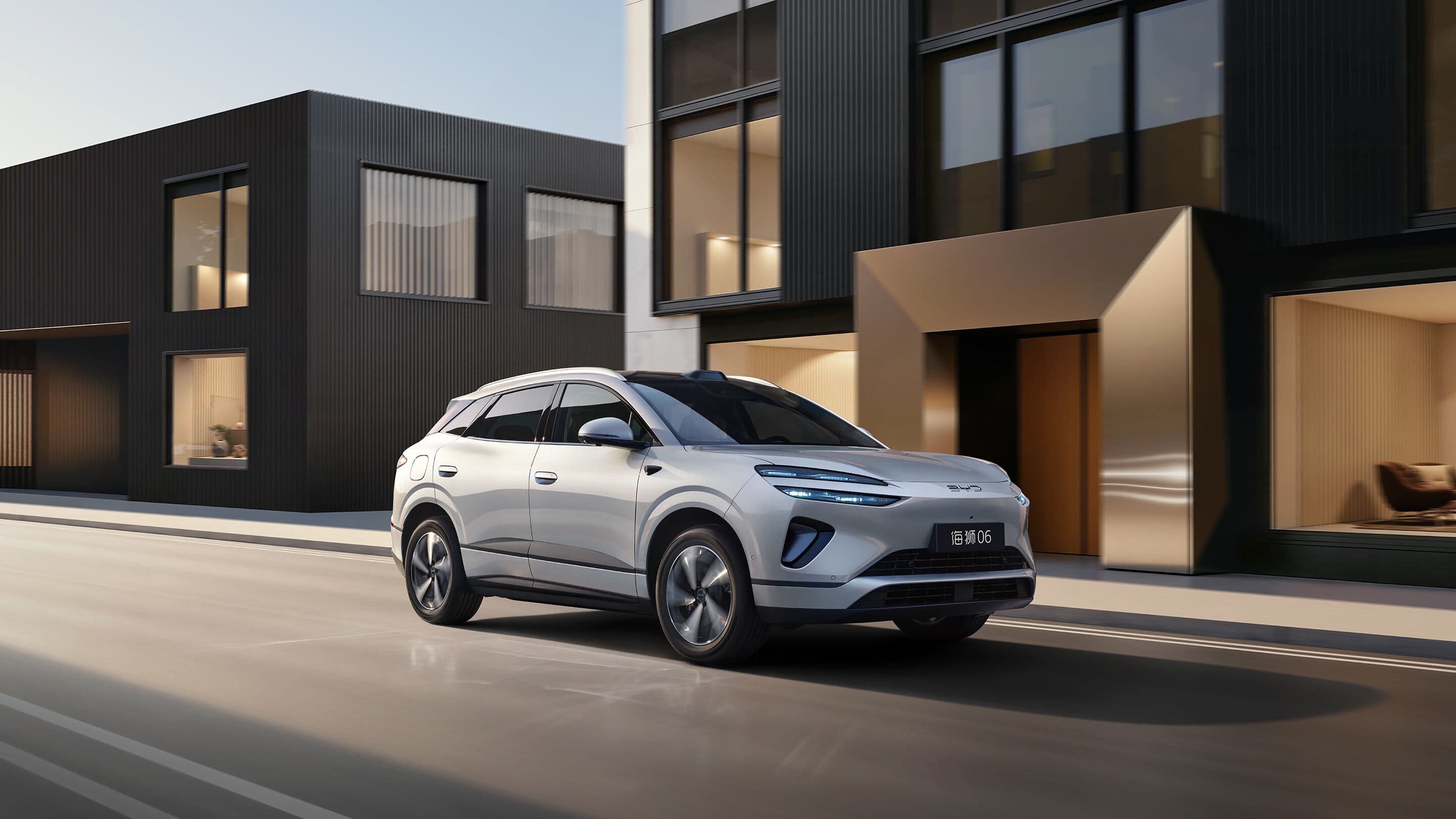
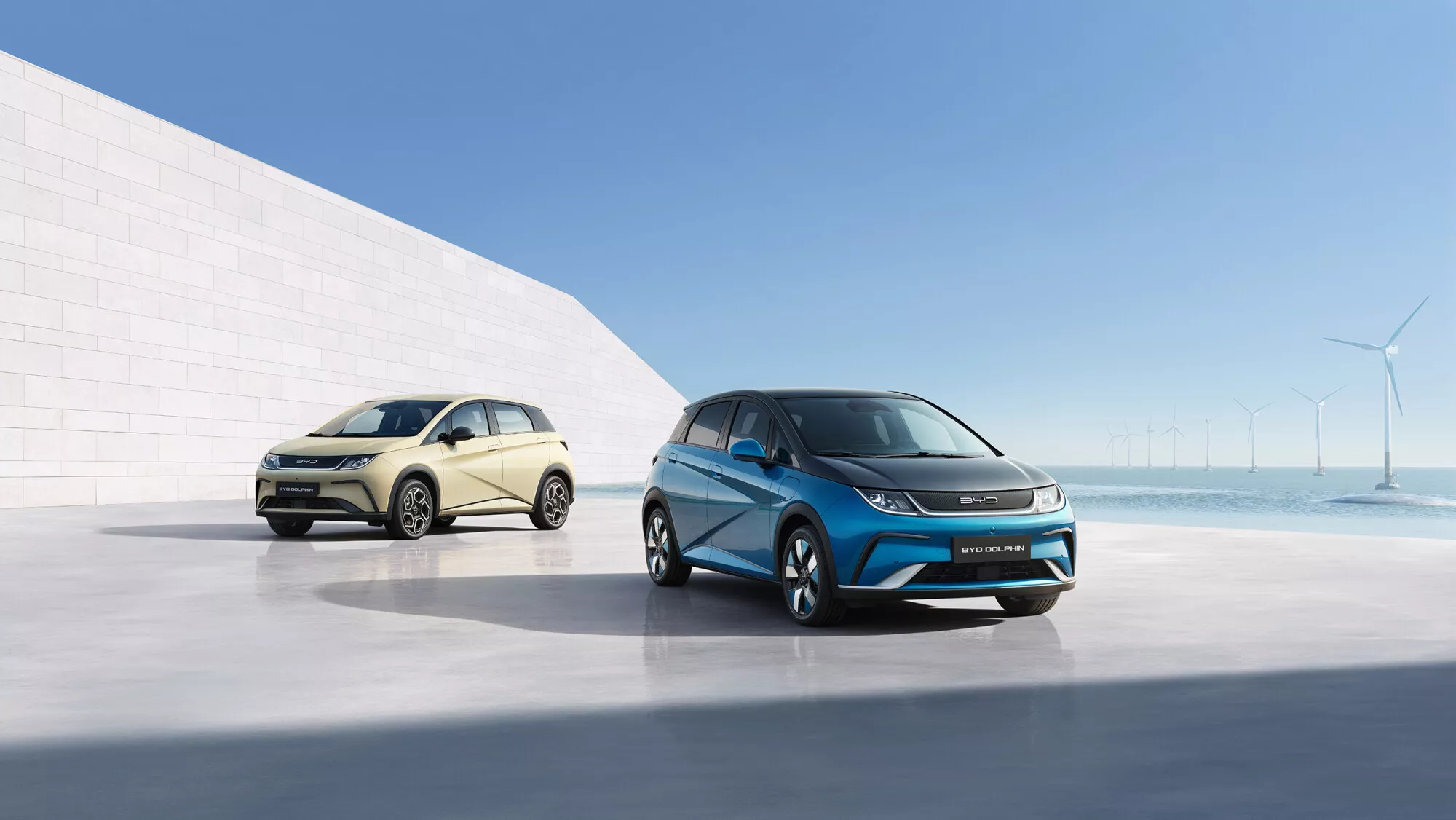
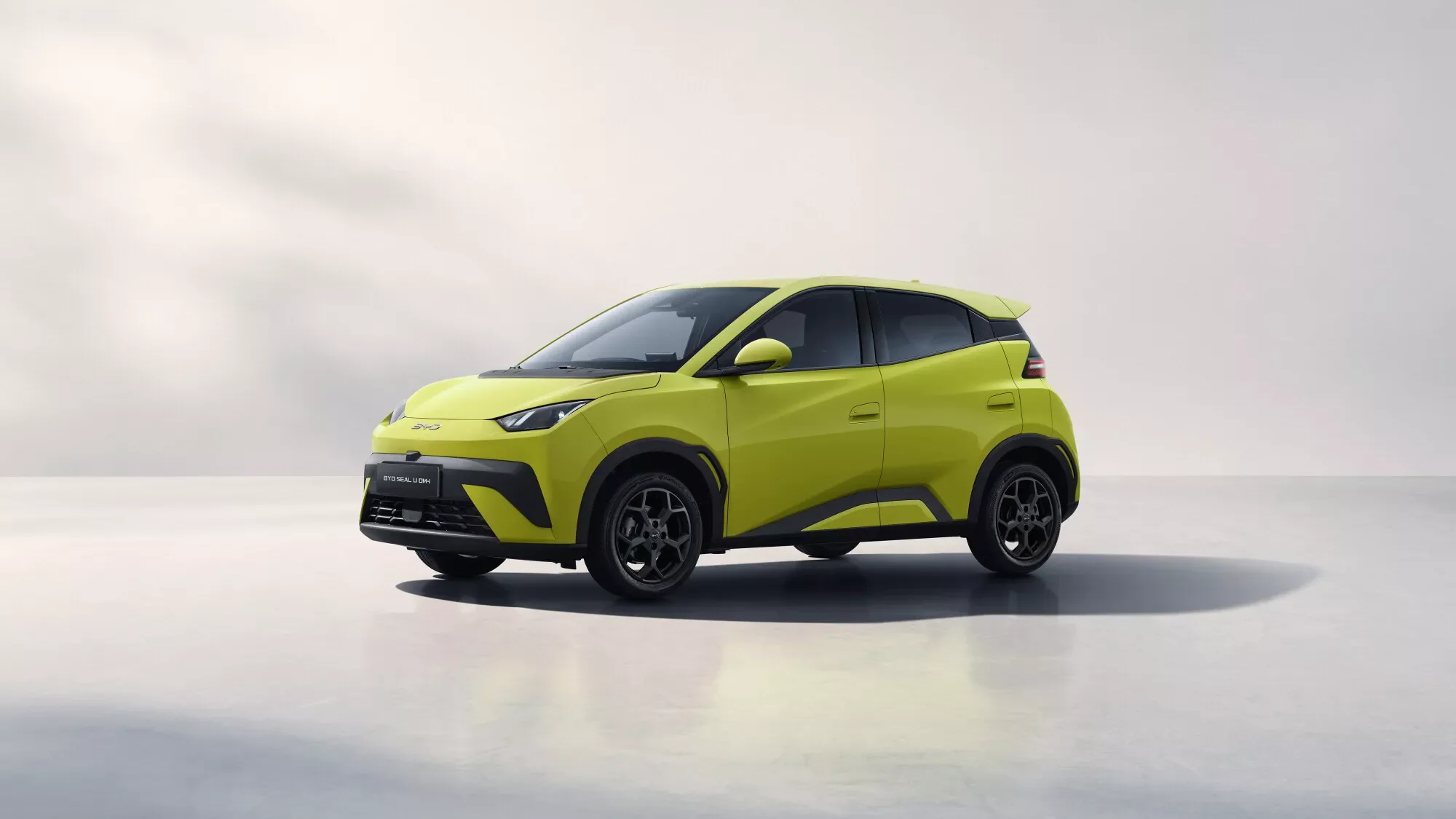
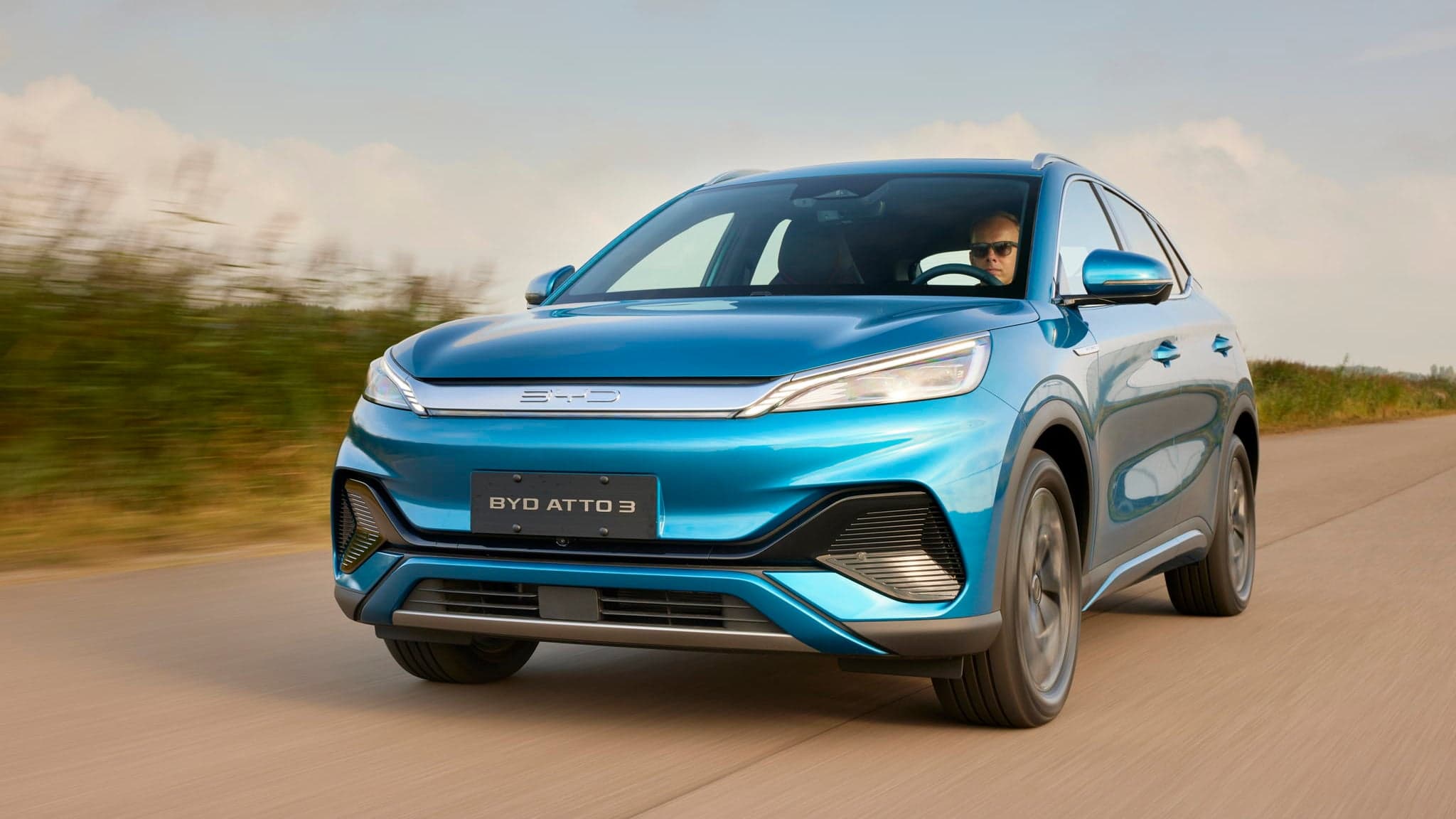
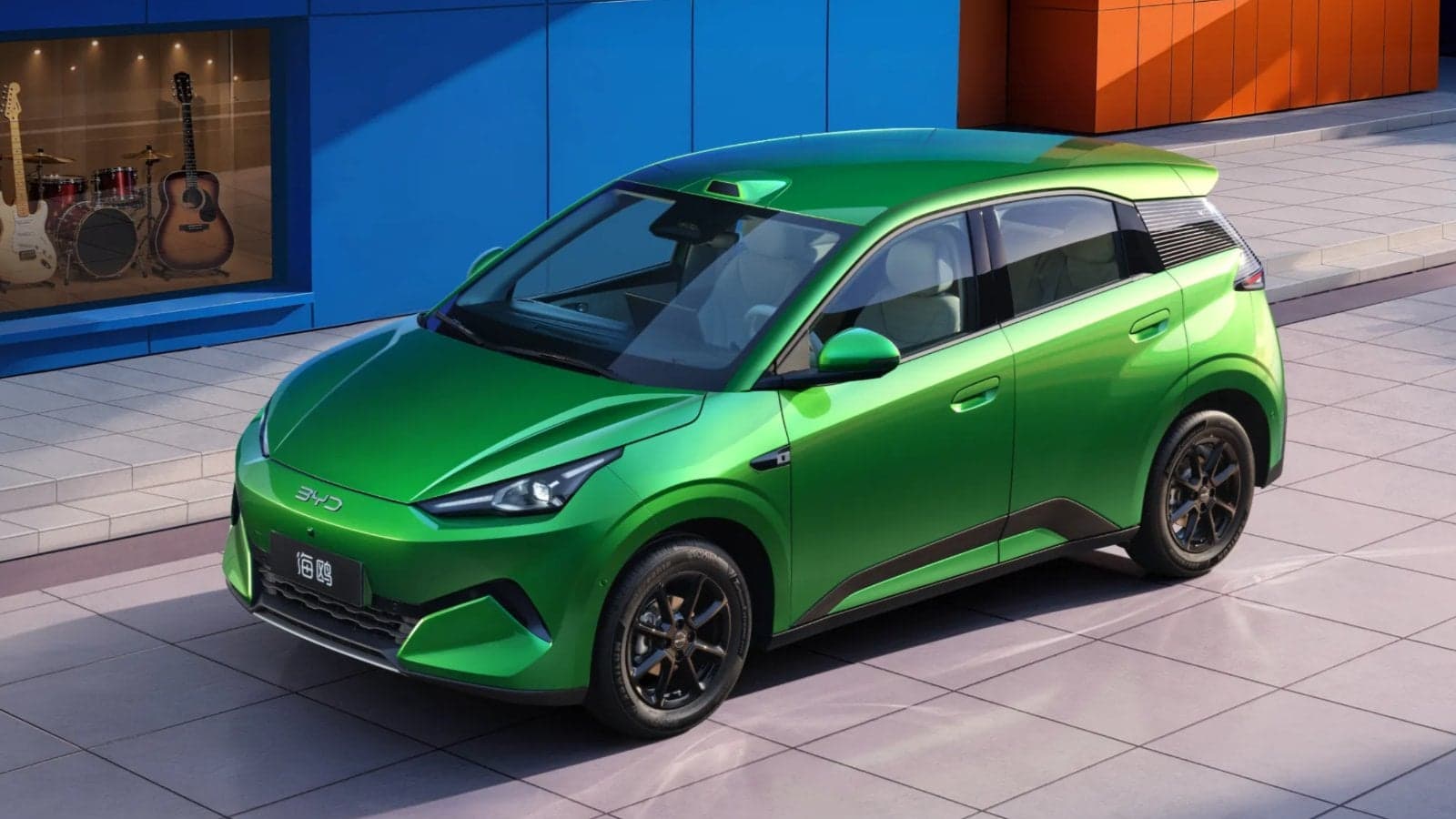
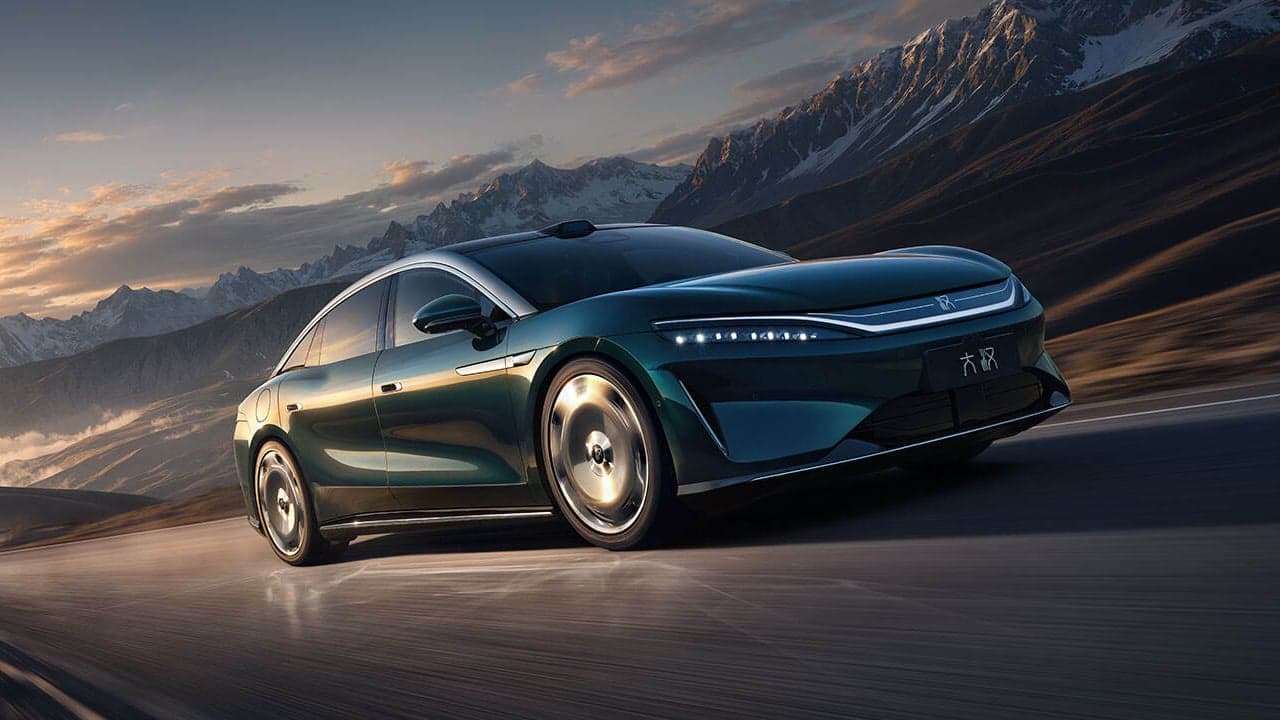
The passenger car approvals are significant because they cover models produced at those plants, including the Seagull, Dolphin, Seal, and Atto 3. These approvals allow BYD to import vehicles at scale, work directly with Canadian dealers, and rely on existing compliance documentation rather than seeking individual VIN-by-VIN authorization.
Advertisement – Continue scrolling for more
Transport Canada paused new Appendix G intake for passenger vehicles in 2025, but the pause does not revoke existing listings. As a result, BYD retains standing to import vehicles through the Appendix G pathway, while other Chinese brands such as SAIC (MG), NIO, XPeng, and Li Auto would need to wait for intake to reopen, rely on slower case-by-case imports, or establish Canadian manufacturing.
Geely, which owns Volvo and Polestar, could potentially leverage existing subsidiaries for regulatory access, but pure Geely-branded vehicles would still require separate authorization under current rules.
BYD’s Canada positioning comes as part of a broader international expansion strategy. In 2023, overseas sales accounted for 8% of BYD’s global total of 3.05 million vehicles. Overseas sales rose to account approximately 23% of global volume in 2025, equivalent to about 1.05 million units, with total global sales reaching 4.6 million units.
Advertisement – Continue scrolling for more
BYD has stated that it expects overseas sales to increase further in 2026, reaching 1.3 million units, representing a 24% year-on-year increase. Chairman Wang Chuanfu told shareholders that overseas markets are important for optimizing the company’s overall profit structure, while Li Yunfei said the company is assessing additional overseas manufacturing options.
In Europe, BYD’s first passenger car assembly plant is scheduled to begin production in March or April, with the Dolphin Surf as the first model. The plant will have annual capacity of 150,000 vehicles, enough to cover BYD’s entire European sales volume from the prior year.
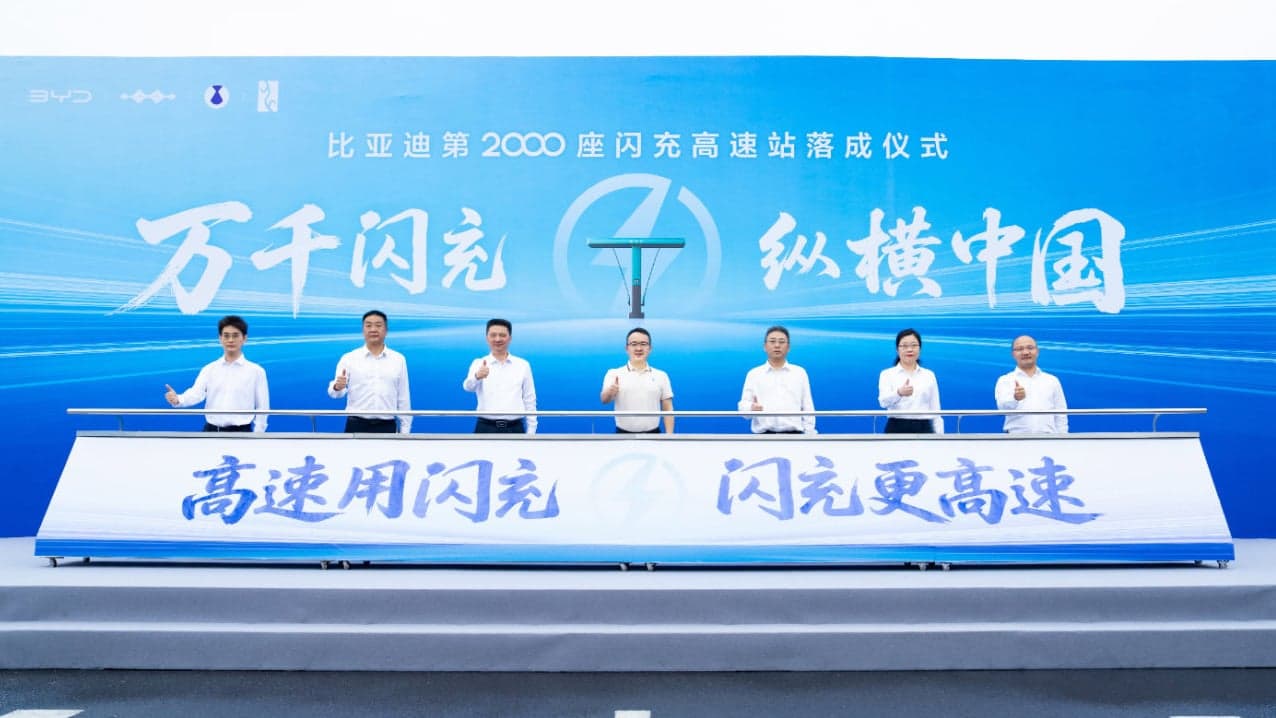
Local European production is designed to reduce exposure to European Union tariffs, which stand at 27% for fully electric vehicles and 10% for plug-in hybrids imported from China. BYD has also said it plans to introduce its “megawatt-level flash charging” ultra-fast charging technology in Europe.
Advertisement – Continue scrolling for more
In Canada, beyond regulatory approval and tariff arrangements, BYD still faces commercial hurdles. The company must establish dealer partnerships, service and warranty infrastructure, and marketing operations before large-scale consumer sales can begin.
Canada’s domestic auto sector remains heavily focused on internal combustion vehicles. General Motors shut down its CAMI assembly plant and lay off 1,200 workers. GM’s global EV market share is under 6%, and it offers few models in the sub-CAD 35,000 segment. Ford also has limited EV offerings in Canada.
The materials also note that traditional automakers have lobbied against Chinese EV imports in North America while continuing to earn profits in China through joint ventures and local supply chains.
Advertisement – Continue scrolling for more
BYD also operates its own roll-on/roll-off car carrier fleet, including vessels such as BYD Explorer No. 1, BYD Shenzhen, and BYD Hefei, which could be used to transport vehicles to Canada once imports begin.
With regulatory approval already in place, BYD’s pace of entry into Canada now depends primarily on tariff-quota activation, dealer agreements, and infrastructure buildout, raising the question of how quickly the company can translate regulatory standing into retail volume.
Advertisement – Continue scrolling for more