Canada is set to sharply reduce tariffs on Chinese-made electric vehicles within a newly established annual import quota, a move that stands to benefit BYD (HKG:1211) more than any other automaker operating in the market.
Following recent Canada–China trade negotiations, Ottawa will allow up to 49,000 Chinese EVs per year to enter Canada at a 6.1% most-favoured-nation tariff, down from the 100% punitive tariff imposed in 2024. The change effectively reverses a policy that had triggered a collapse in Chinese EV exports to Canada and reopens the market at a time when domestic EV supply remains constrained.
Source: BYD
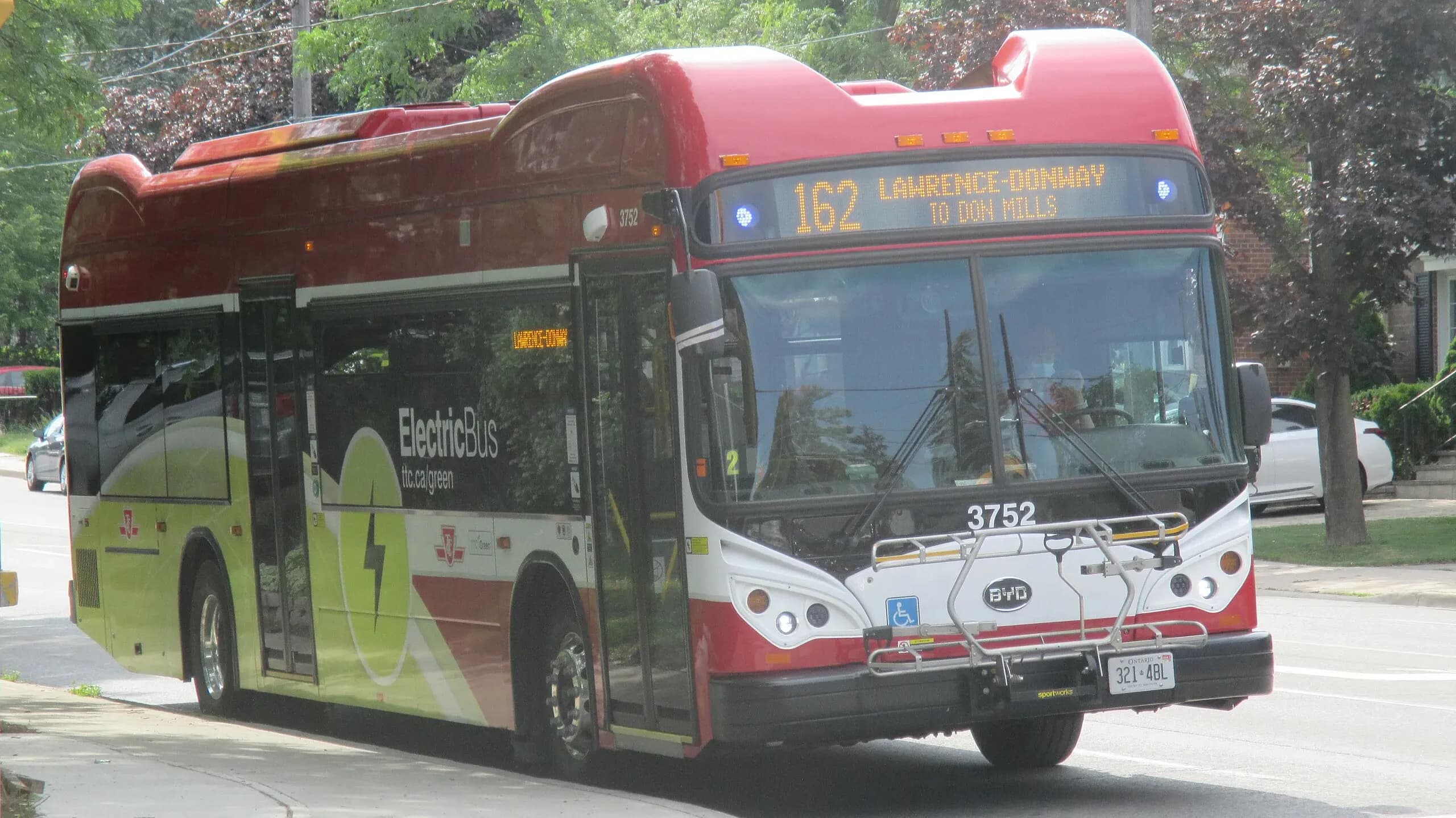
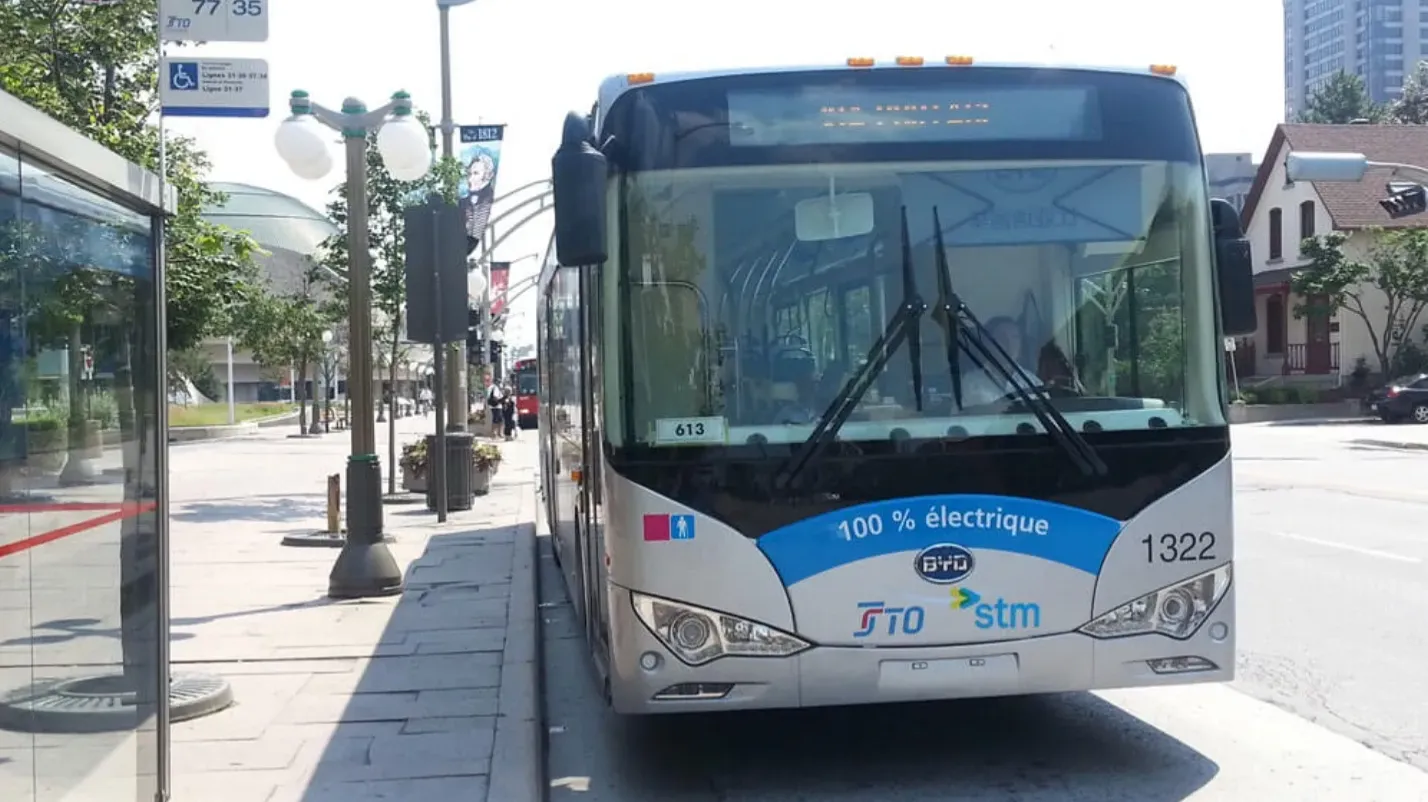
BYD enters the new quota regime with a structural advantage built over more than a decade. The company began engaging the Canadian market in 2013 with first road tests in Montreal, well ahead of most Chinese peers, and established its first Canadian factory in Ontario in 2019, focusing on the assembly of fully electric buses. That facility supported early contracts in Ontario and Alberta and deliveries to the Toronto Transit Commission, anchoring BYD in public-sector transport and local service operations.
Advertisement – Continue scrolling for more
That early footprint proved durable during the trade dispute. After the 100% tariff was imposed in 2024, Chinese EV exports to Canada fell 67.1%, prompting many manufacturers to scale back or withdraw. BYD maintained a limited but continuous market presence through its dealer network and public-sector partnerships, allowing it to preserve operational continuity while competitors retrenched.
The structure of the new quota further favours BYD’s portfolio. Half of the 49,000-unit allocation is reserved for vehicles priced below CAD 35,000, a segment where Canada has faced a shortage since federal zero-emission vehicle incentives were paused. By 2025, there were few EVs available below CAD 45,000, and Tesla’s lineup no longer qualified for federal subsidies, keeping purchase costs elevated.
BYD already offers multiple models positioned within the threshold. The Seagull is priced at about CAD 25,000, while the Dolphin and ATTO 3 (Yuan Plus) sit near the CAD 35,000 cutoff. With tariffs reduced to 6.1%, these models undercut comparable offerings from Ford and Hyundai by close to CAD 10,000, based on pricing cited in the consolidated material.
Advertisement – Continue scrolling for more
Product specifications also align with Canadian driving conditions. Long winters have heightened consumer concerns around cold-weather range loss and charging efficiency. BYD’s Blade Battery and its wide-temperature-range thermal management system are designed to limit performance degradation in low temperatures. The ATTO 3, a compact SUV, also matches local demand for utility-focused body styles, which continue to outsell sedans in most Chinese provinces.
Rivals face structural constraints. Geely and XPeng (NYSE:XPEV) have highlighted winter performance and intelligent driving features, but neither has sufficient low-cost model capacity to compete for the bulk of the affordable quota. NIO (NYSE:NIO) remains concentrated in the premium segment, with prices well above CAD 35,000, effectively excluding it from the policy’s core allocation.
The potential market impact is significant. Canada sold 245,000 EVs in 2025, with Tesla delivering roughly 78,000 to 82,000 units, or about 33% market share, and Ford ranking second with 24,000 to 26,000 units. If BYD captures a majority share of the 49,000-unit quota, it would immediately rank among the top three EV brands in Canada, with market share approaching 20%, potentially placing it second only to Tesla.
Advertisement – Continue scrolling for more
For Canadian policymakers, the quota addresses a widening gap between EV availability and regulatory targets. According to a C.D. Howe Institute policy paper published in November 2025, EVs accounted for only around 9% of total vehicle sales in the first half of 2025, far below the 20% requirement set for 2026 under the federal Electric Vehicle Availability Standard. The paper estimates a 110,000-unit shortfall even if EV penetration rises to 14% next year.
The quota framework is expected to expand to 70,000 units within five years, with conditions encouraging local joint ventures and manufacturing. According to 91che, BYD has already begun evaluating Blade Battery production in Halifax, a step that could lower costs, reduce geopolitical exposure, and strengthen its long-term North American position.
If BYD converts quota access into sustained sales and localized production, Canada may become the company’s most viable North American foothold at a moment when the broader regional EV strategy remains constrained by tariffs and policy uncertainty.
Advertisement – Continue scrolling for more