BYD starts pilot production at Hungary plant ahead of mass production in spring
BYD (HKG:1211) will begin trial production at its first European passenger vehicle factory in Szeged, Hungary, in the first quarter of 2026, with mass production scheduled to start in the second quarter, according to information released by BYD Europe and Chinese media reports dated December 20 and December 21, 2025.
The facility is part of BYD’s strategy to localize manufacturing in Europe to support sales growth, reduce exposure to European Union tariffs on Chinese-made electric vehicles, and build a regional supply chain. The plant is expected to become a central pillar of BYD’s European expansion as Chinese automakers accelerate onshore production across the region.
Advertisement – Continue scrolling for more
The Szeged plant represents BYD’s first European passenger vehicle manufacturing base. The company previously established an electric bus factory in Komárom, Hungary, in 2016. In late 2023, BYD announced plans to build a European new energy passenger car factory in Hungary, initially targeting production by the end of 2025 before delaying the timeline to 2026.

The total investment in the Szeged facility has been reported at up to €4 billion, equivalent to approximately RMB 35 billion. The factory’s planned maximum annual capacity is up to 300,000 vehicles. Initial output is expected to be lower, with early-stage production estimated at around 150,000 units per year. BYD has indicated that it may operate below full capacity for at least two years before ramping up toward its maximum output target.
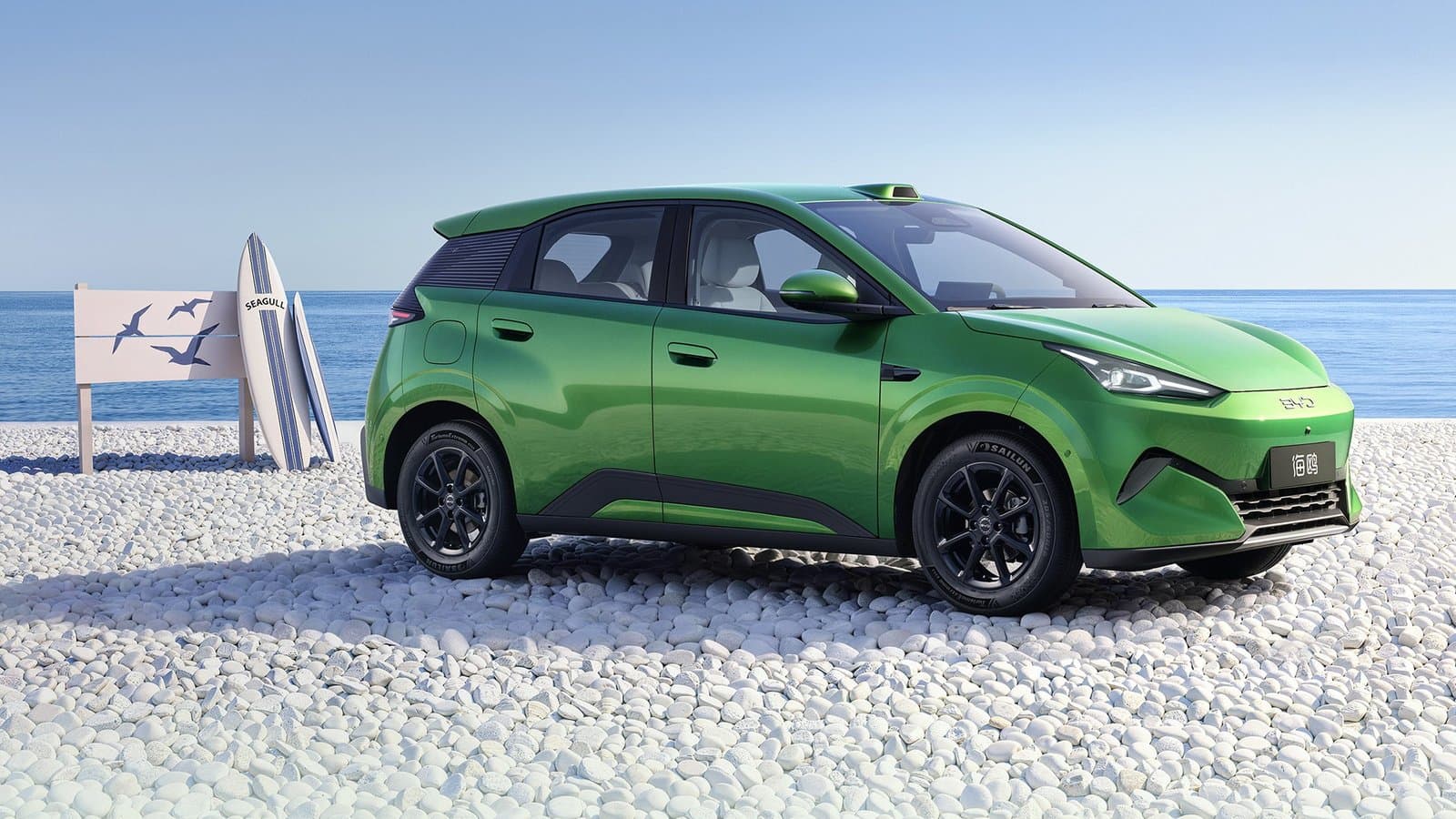
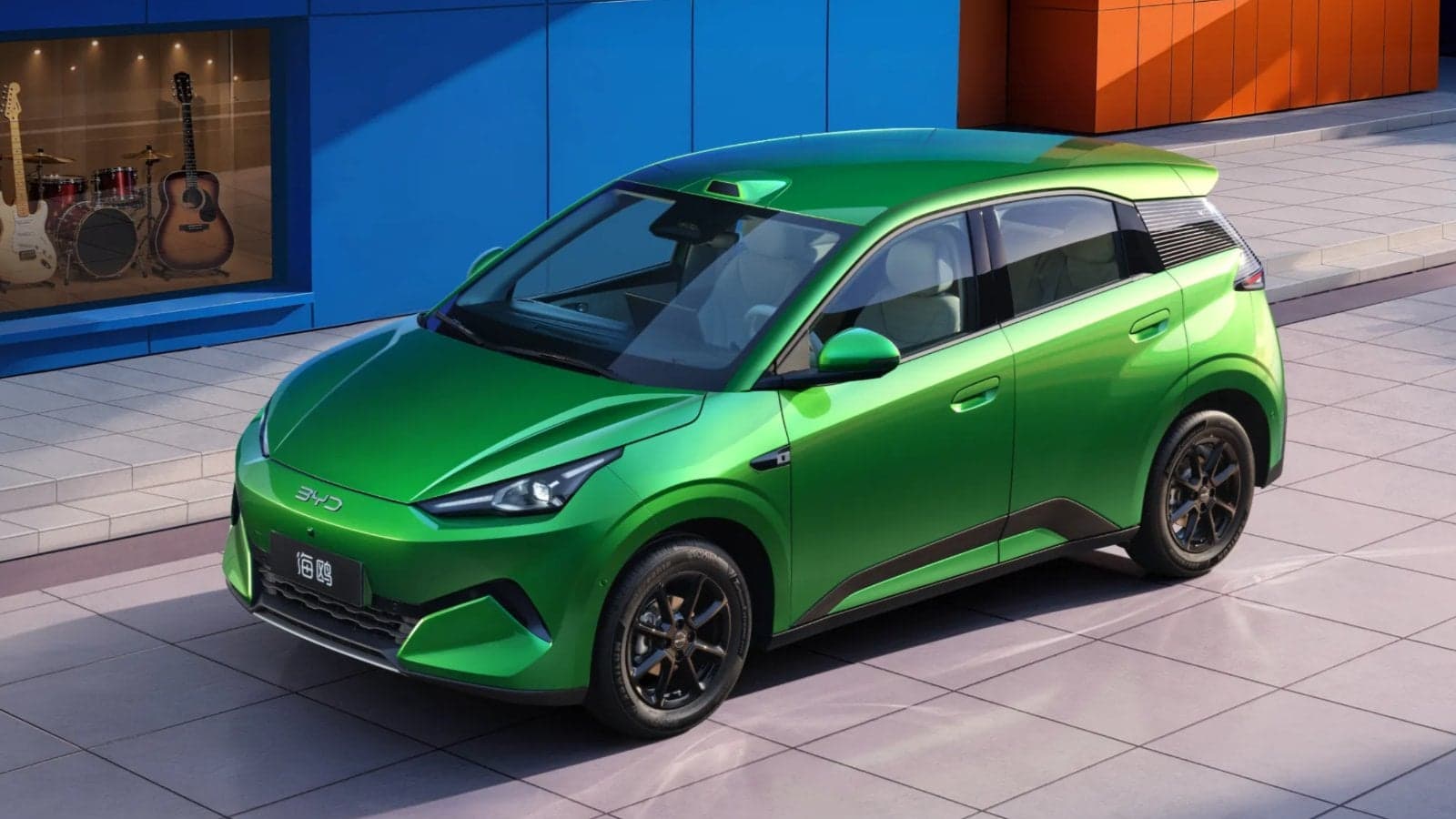
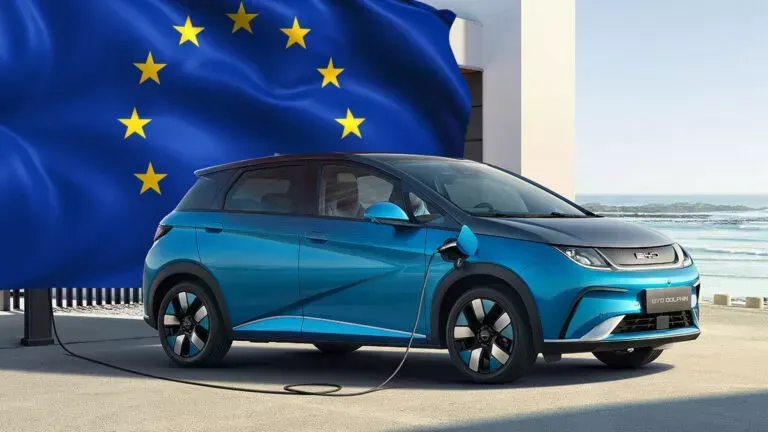
The first model scheduled for assembly at the Szeged plant is the Dolphin Surf, known in China as the Seagull. The small SUV Atto 2 will also be produced, with both fully electric and hybrid variants planned. Additional models scheduled for later production include the Atto 3 (Yuan Plus), Dolphin, Seal, and Seal U, which is marketed in China as the Song Plus and Sea Lion 6.
Advertisement – Continue scrolling for more
Local production is expected to allow BYD to avoid EU import tariffs applied to Chinese-built electric vehicles. Importing fully built vehicles into Europe can significantly raise retail prices due to tariffs, while localized assembly and regional sourcing are expected to reduce costs and improve price competitiveness in the mass-market segment.
The Hungary plant is positioned to support BYD’s push into Europe’s high-volume, lower-priced vehicle categories, where European manufacturers such as Volkswagen Group and Stellantis hold significant market share. BYD’s localized production could intensify competition in Europe’s affordable vehicle segment, which represents the largest portion of vehicle sales and employment in the region’s automotive supply chain.

Hungary has emerged as a manufacturing hub for both European and Chinese automakers. German and French manufacturers already operate production facilities in the country, while core vehicle technology development typically remains based in their home markets. BYD’s Hungary plant is intended primarily as an assembly and export base serving the broader European Union market.
In May 2025, BYD established its European headquarters in Budapest. The regional headquarters is expected to focus on advanced driver assistance systems and next-generation vehicle electrification technologies. BYD has said it plans to collaborate with at least three Hungarian universities on joint research projects and to work with local suppliers to develop a regional new energy vehicle supply chain.
Advertisement – Continue scrolling for more
Beyond manufacturing, BYD plans to expand its European retail footprint. The company aims to increase its dealership network from around 1,000 locations to 2,000, targeting coverage of approximately 90% of the European market. The expansion is intended to support higher sales volumes as localized production comes online.
BYD is also preparing to launch additional models in Europe, including the Sealion 5 DM-i, positioned against compact SUVs such as the Kia Sportage, the Seal 5 DM-i compact sedan, and a small plug-in hybrid hatchback referred to as the Dolphin G. The company is building a European data center and is preparing to establish a design center in Italy.
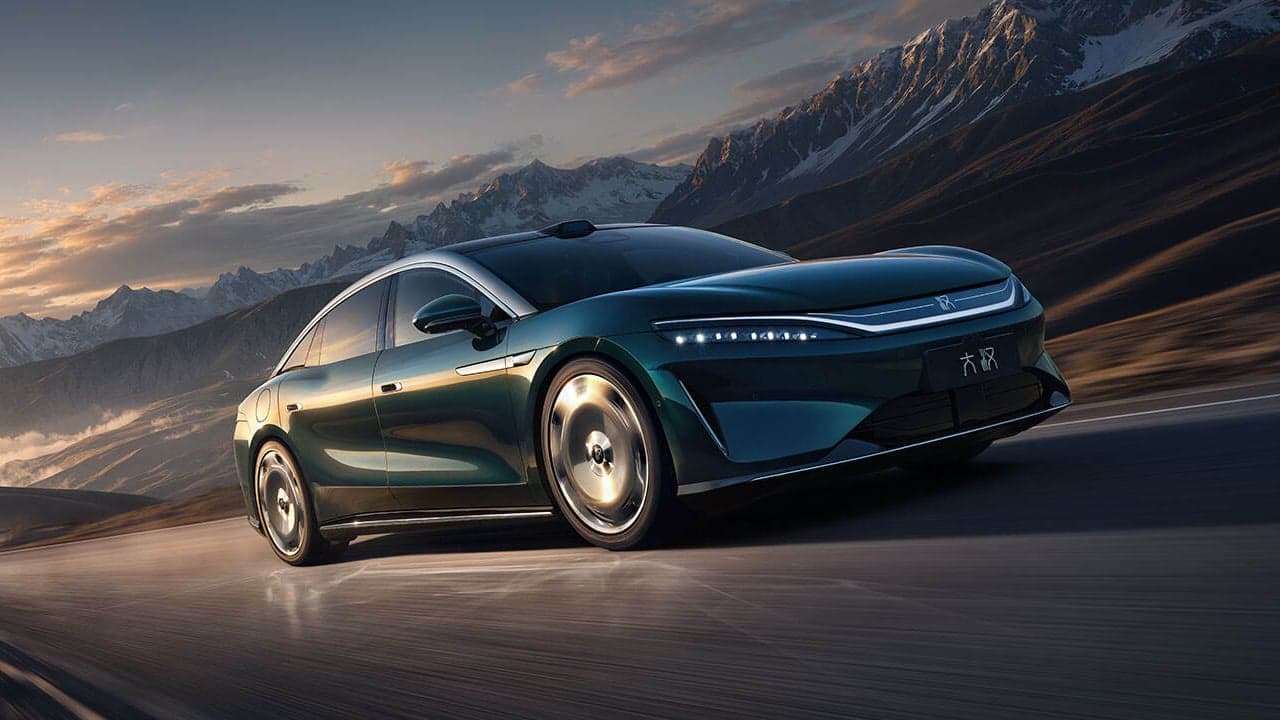
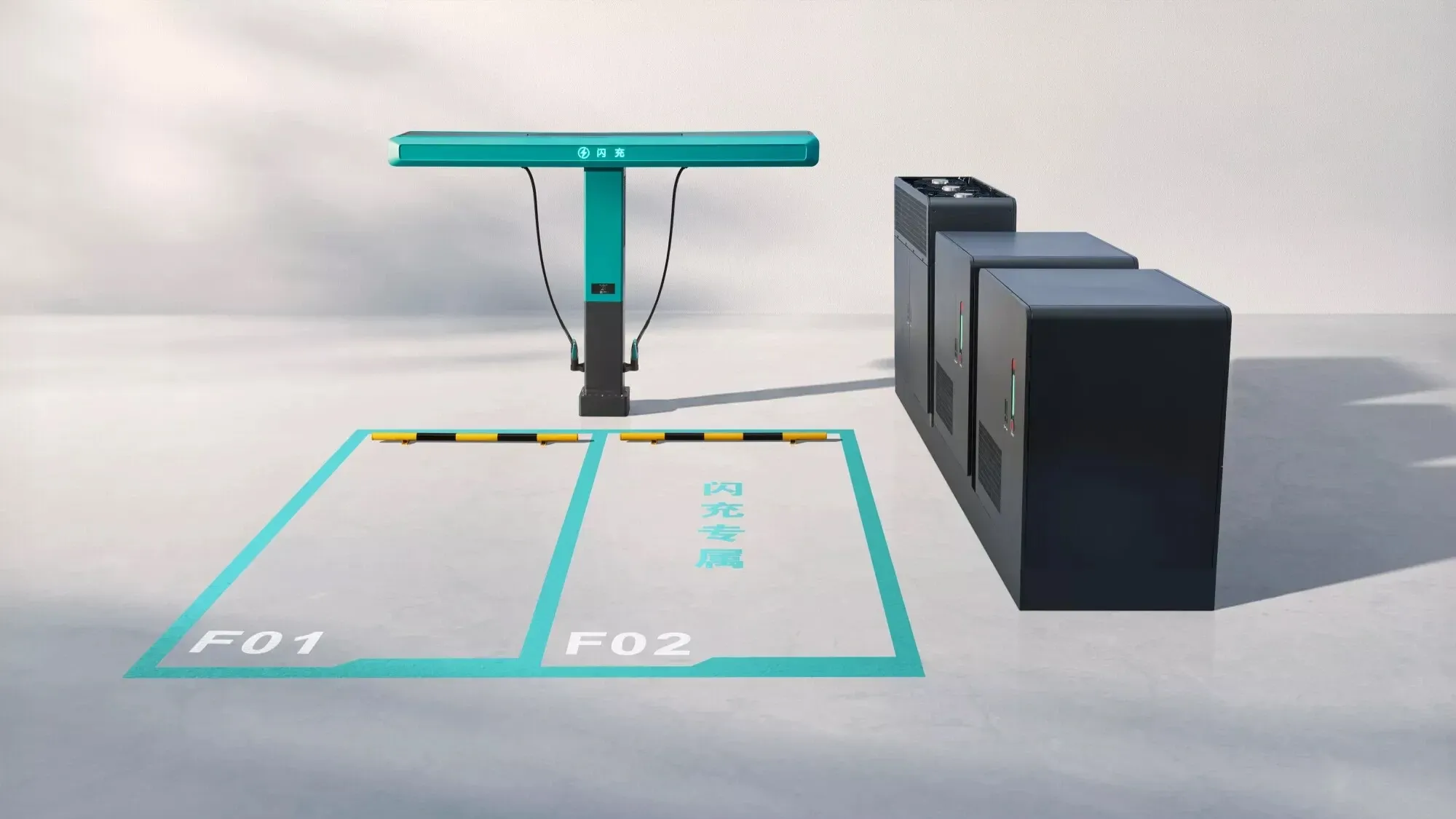
BYD’s premium brand Denza is scheduled to enter the European market with models including the Z9GT shooting brake, positioned against the Porsche Taycan Cross Turismo, the D9 seven-seat MPV, and the B5 SUV. These models are based on BYD’s super electric vehicle platform and support ultra-fast charging. The company has stated that compatible vehicles can add close to 400 kilometers (about 249 miles) of range in five minutes using 1-megawatt charging infrastructure.
Advertisement – Continue scrolling for more
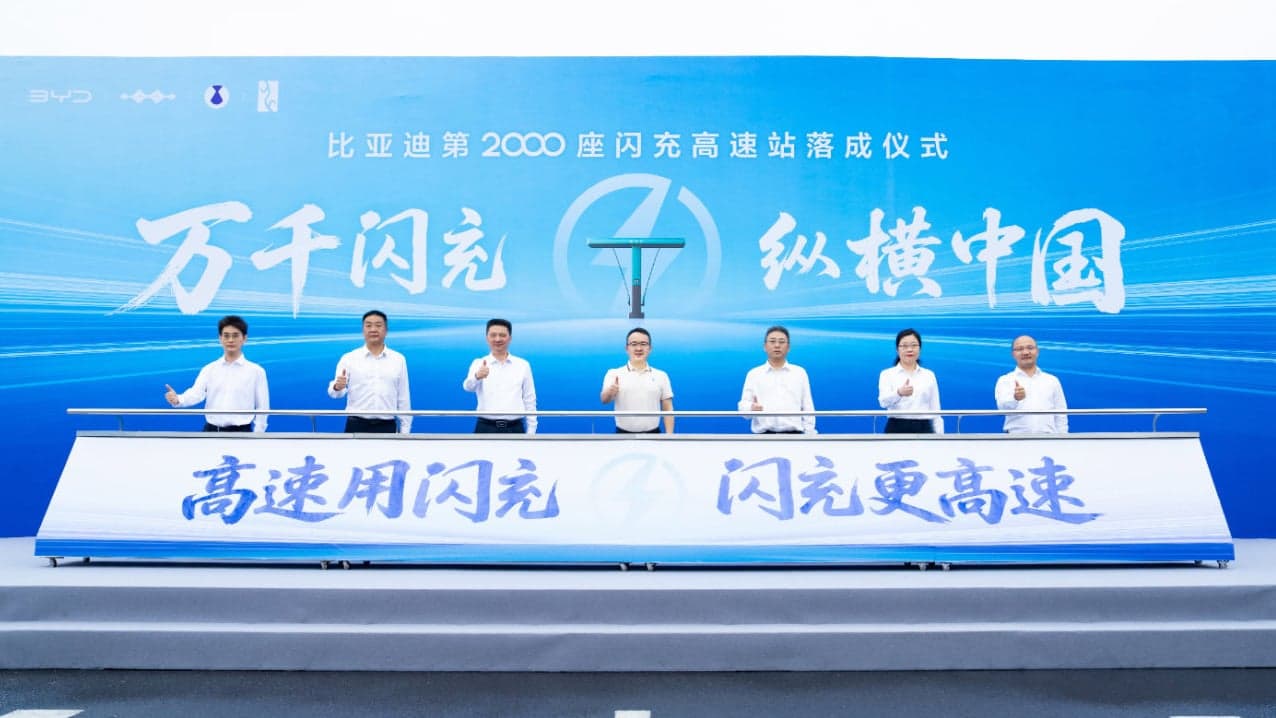
BYD plans to promote 1-megawatt chargers across Europe, with an initial target of deploying 3,000 charging points. The company is also considering a third European manufacturing site, with Spain cited as a potential location due to lower production costs, access to clean energy, and government support for new energy vehicle investment. A final decision is expected as early as 2026.
The expansion in Hungary comes as other Chinese automakers, including Chery, SAIC, Changan, and Leapmotor, also pursue European manufacturing projects, reflecting a broader shift toward localized production as regulatory and trade pressures reshape market access strategies.
Advertisement – Continue scrolling for more