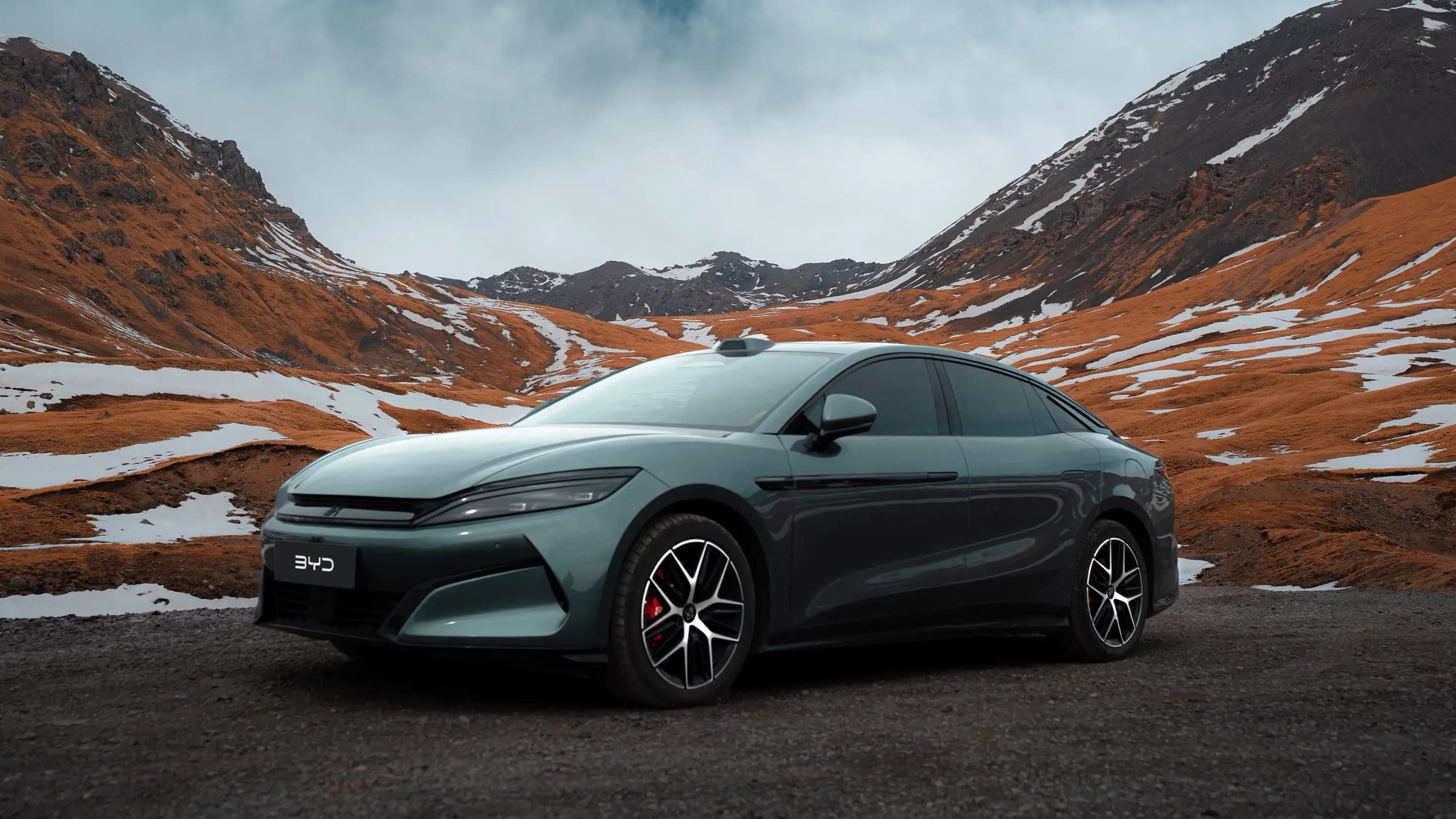
Source: BYD
BYD (HKG: 1211) is actively scouting dealership locations across Canada, targeting as many as 20 stores within its first year of operations, with Toronto as the entry point before expanding to Vancouver, Montreal, and Calgary.
The push follows a landmark trade agreement reached on January 16, 2026, when Prime Minister Mark Carney concluded a state visit to Beijing by announcing a dramatic reduction of Canada's EV import tariff — from 100% to the most-favoured-nation rate of 6.1% — for up to 49,000 Chinese-built vehicles per year.
In exchange, China agreed to lower tariffs on Canadian canola seed from roughly 85% to 15%, and lifted restrictions on Canadian lobster, crab, and peas. The 49,000-unit quota represents less than 3% of Canada's annual new car market and is set to rise gradually to 70,000 units by 2030.
Advertisement – Continue scrolling for more
The retail groundwork is being laid by Dealer Solutions Mergers & Acquisitions (DSMA), a Markham, Ontario-based automotive consultancy. Farid Ahmad, DSMA's CEO, told the Globe and Mail that three Greater Toronto Area locations are already under negotiation on BYD's behalf. "They've asked us to help them find as many of the 20 that they possibly can, but they're out there doing that themselves, as well," Ahmad said. BYD has not issued a public timeline for its Canadian launch, nor confirmed which models it will bring.
BYD is the furthest along among Chinese-headquartered automakers in Canada's regulatory framework. The company is the only Chinese passenger vehicle manufacturer to have registered its production facilities with Transport Canada's Appendix G preclearance registry — a prerequisite for importing vehicles into the country.
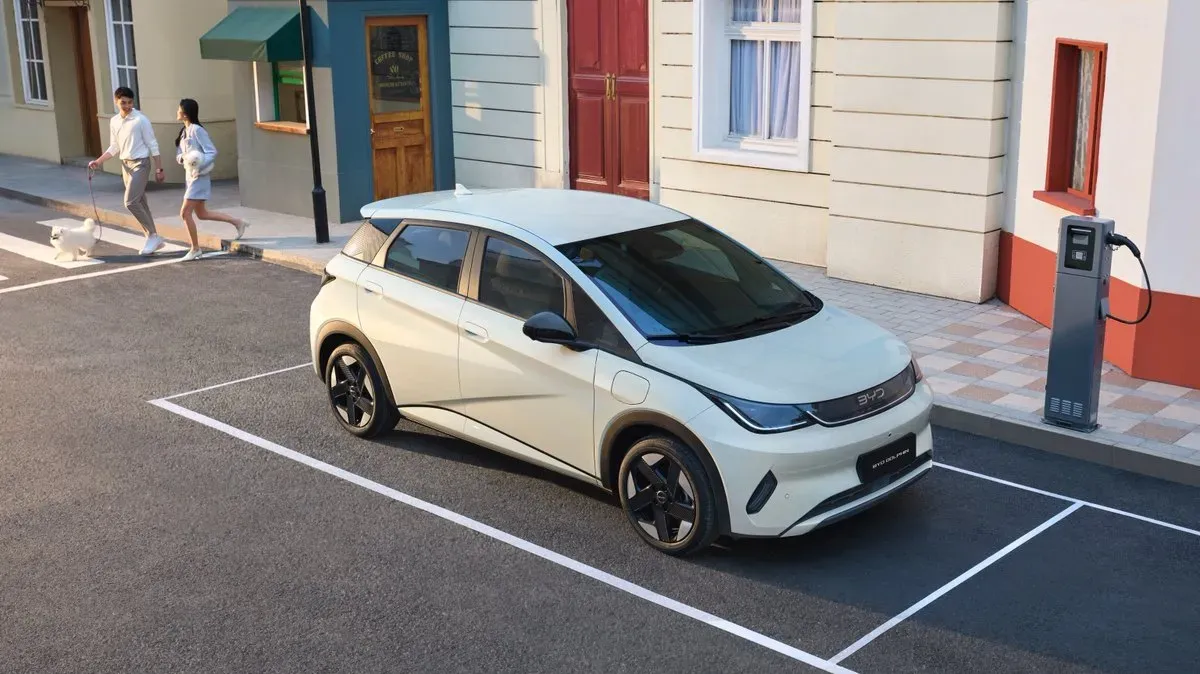
Source: BYD
The registered plants, located in Shenzhen and Xi'an, produce models including the Seal sedan, Dolphin hatchback, Atto 3 compact crossover, and Seagull city car. BYD has also operated a 45,000-square-foot electric bus assembly plant in Newmarket, Ontario since 2019, supplying vehicles to the Toronto Transit Commission — an existing Canadian footprint that other Chinese entrants lack.
Advertisement – Continue scrolling for more
The company enters Canada as the world's largest battery-electric vehicle manufacturer. BYD sold 2.26 million battery-electric vehicles globally in 2025, surpassing Tesla's (NASDAQ: TSLA) 1.64 million deliveries to claim the global BEV crown for the first full calendar year. Overseas sales surpassed 1 million units in 2025, up 150% year-over-year.
BYD will not enter Canada unopposed, but it will enter without federal purchase rebates. Canada's Electric Vehicle Affordability Program (EVAP), which launched February 16, 2026, and offers up to C$5,000 on eligible purchases, restricts eligibility to vehicles built in Canada or in countries with which Canada has a free trade agreement.
Chinese-built EVs are explicitly excluded. Competitors including the Hyundai Ioniq 5 and Chevrolet Equinox EV qualify; BYD's lineup will not. Despite Prime Minister Carney's framing of the January deal as a route to affordable EVs for Canadians, no affordability threshold applies in the first quota year — the requirement that at least 10% of imports be priced below C$35,000 does not take effect until 2027.
Advertisement – Continue scrolling for more
BYD is not alone in targeting Canada. Chery Automobile and Geely Holding are also preparing consumer vehicle launches before year-end, according to DSMA. Chery has filed trademarks in Canada for its Omoda and Jaecoo sub-brands and has been recruiting locally.
Geely, which already operates in Canada through its Swedish brands Volvo and Polestar, has trademarked the Zeekr name in Canada. Neither has yet registered passenger car plants with Transport Canada, leaving BYD with a meaningful head start on the regulatory path.
Consumer sentiment toward Chinese-branded vehicles has also shifted. A February 2026 survey found just 28% of Canadians said Chinese vehicle origin would discourage a purchase, down from 61% a year earlier. Domestic political opposition persists: Ontario Premier Doug Ford has labeled Chinese EVs "spy vehicles," and Unifor, Canada's largest private-sector union, has said the arrangement "puts Canadian auto jobs at risk."
Advertisement – Continue scrolling for more
BYD's ambitions in Canada may eventually extend beyond retail. Executive Vice President Stella Li told Bloomberg this month that BYD is studying Canadian manufacturing, though she rejected the joint venture model Ottawa has been promoting. "I don't think a JV will work," Li said, adding that BYD would insist on owning and operating any Canadian facility outright — a position that directly contradicts the trade deal's requirement for Chinese automakers to establish joint ventures within three years.
Whether a 20-store network can operate sustainably under a 49,000-unit quota shared across multiple brands — and without access to federal rebates — may depend more on BYD's pricing discipline than on the pace of any regulatory approvals still to come.
Advertisement – Continue scrolling for more