China to tighten EV energy standard by 11% in 2026, limiting to 15.1 kWh/100 km
Source: Luxeed
China will enforce the world’s first mandatory energy-consumption limits for electric passenger vehicles on January 1, 2026, under the national standard “Limits of Energy Consumption for Electric Vehicles – Part 1: Passenger Cars” (GB 36980.1—2025). The regulation applies across all newly produced battery-electric passenger cars and creates binding consumption thresholds based on vehicle weight.
The new framework replaces earlier recommended guidelines and reflects the current efficiency level of the domestic EV fleet, the potential of energy-saving technologies, and the need to support cost-effective upgrades for manufacturers. It also considers differences in technical architecture and real-world usage, allowing for differentiated indexing while maintaining a uniform national baseline.
Advertisement – Continue scrolling for more
Compared with the previous version, the 2025 edition tightens energy-consumption limits by about 11%. Thresholds are organized by curb-weight category to maintain comparability across segments. Regulators stated that the objective is to guide efficiency-related R&D while ensuring that the increasingly diverse EV market continues to operate within a consistent policy direction.
For EVs weighing around two tons, the maximum allowed consumption is 15.1 kWh per 100 km (62 miles). Engineering teams estimate that technical modifications undertaken to meet this requirement could raise average driving range by about 7% if battery capacity remains unchanged. Gains are expected to come from improvements in electric-drive efficiency, lightweighting, thermal-management optimization, and aerodynamic refinement.
Advertisement – Continue scrolling for more
The standard has been incorporated into the eligibility criteria for new-energy-vehicle purchase-tax incentives. Battery-electric models must meet the applicable limit to qualify for the tax benefit, and plug-in hybrids must meet requirements relating to how much of their operating energy comes from electricity. The alignment is designed to synchronize fiscal incentives with technical benchmarks.
Automakers will be required to update the designs of new vehicles produced from 2026 onward. Models exceeding the limit will need drivetrain, software, or structural adjustments. Manufacturers with heavier or legacy platforms may need to accelerate platform renewals or integrate more efficient drive units to avoid losing market competitiveness.
Source: Xiaomi
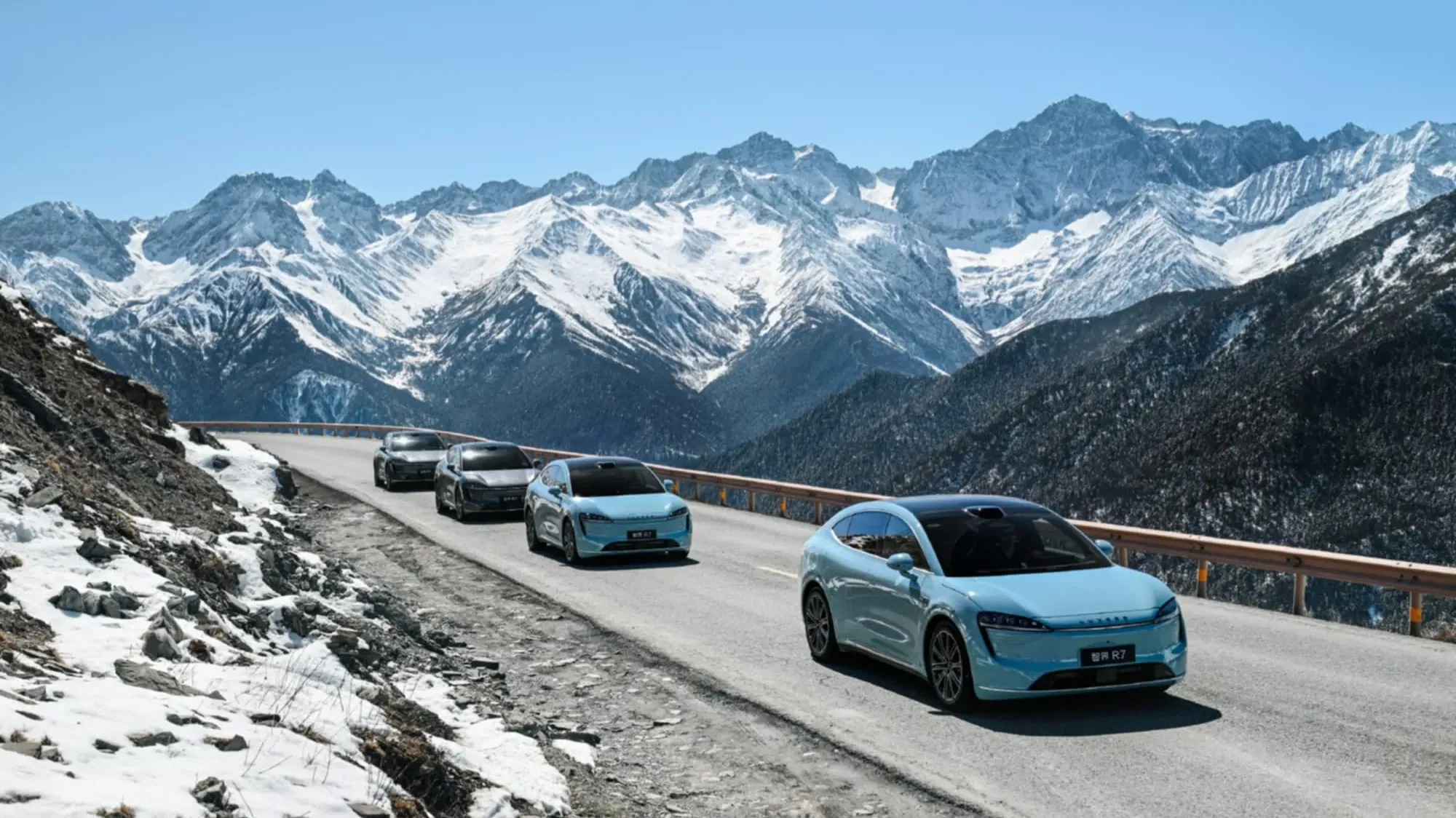
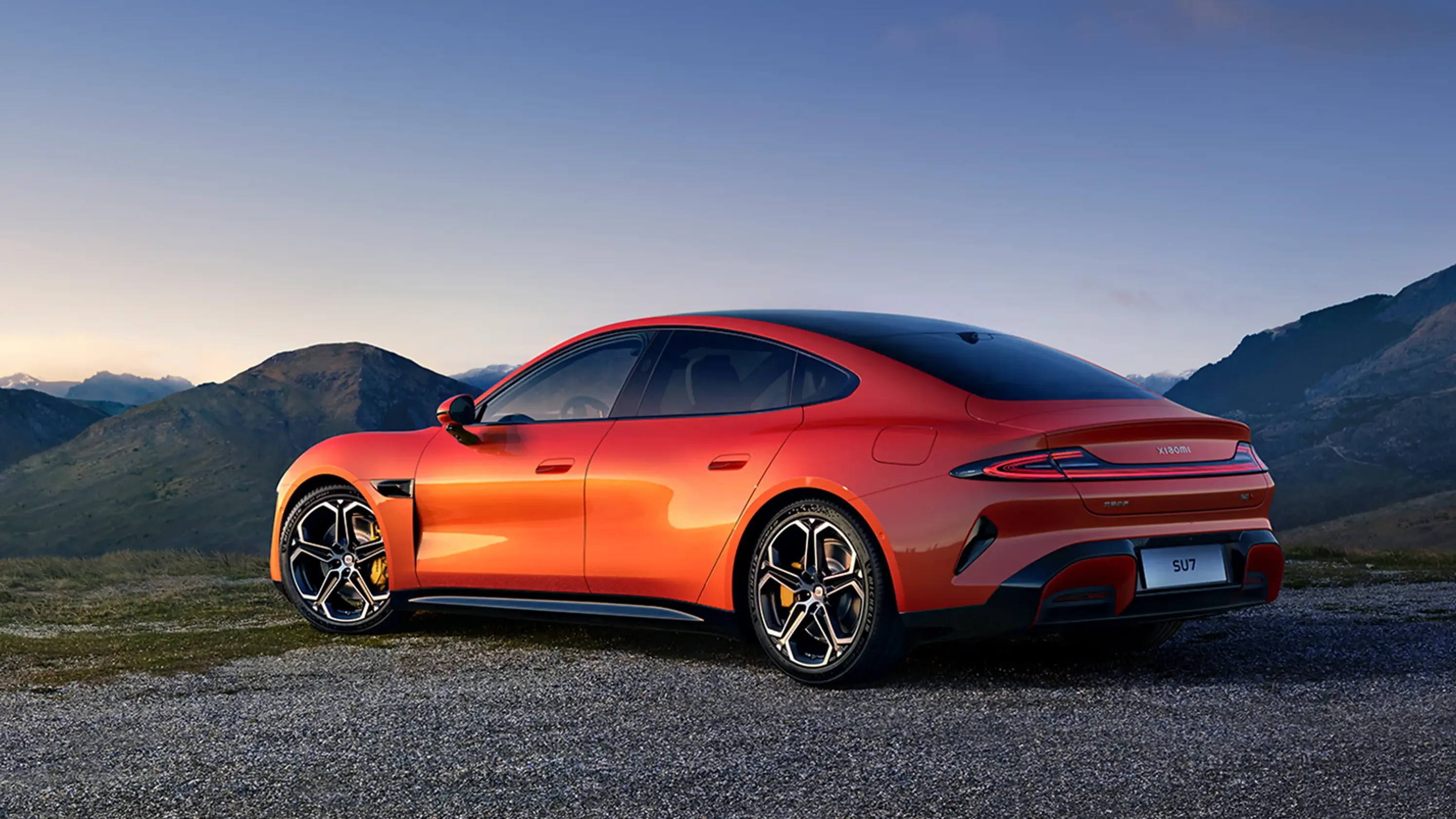
Current market data indicates that many new EVs already comply with the upcoming limit. The Xiaomi SU7 with a curb weight of approximately 1,980 kg reports consumption at 12.3 kWh/100 km, while the Luxeed R7, a mid-to-large SUV, weighing 2,180 kg records 13.2 kWh/100 km.
Advertisement – Continue scrolling for more
The January 2026 rollout aligns with broader national goals related to energy efficiency and carbon-emission reduction. The standard also follows guidance issued earlier in 2025 encouraging accelerated publication of technical requirements for EVs and a stronger emphasis on efficiency-driven innovation.
As manufacturers adjust their portfolios to meet the new limits, the changes may influence platform strategies and highlight efficiency as a primary competitive dimension. It raises a wider question for the global EV sector: whether efficiency metrics will gain equal weight to performance and cost in shaping next-gen vehicle design.
Advertisement – Continue scrolling for more