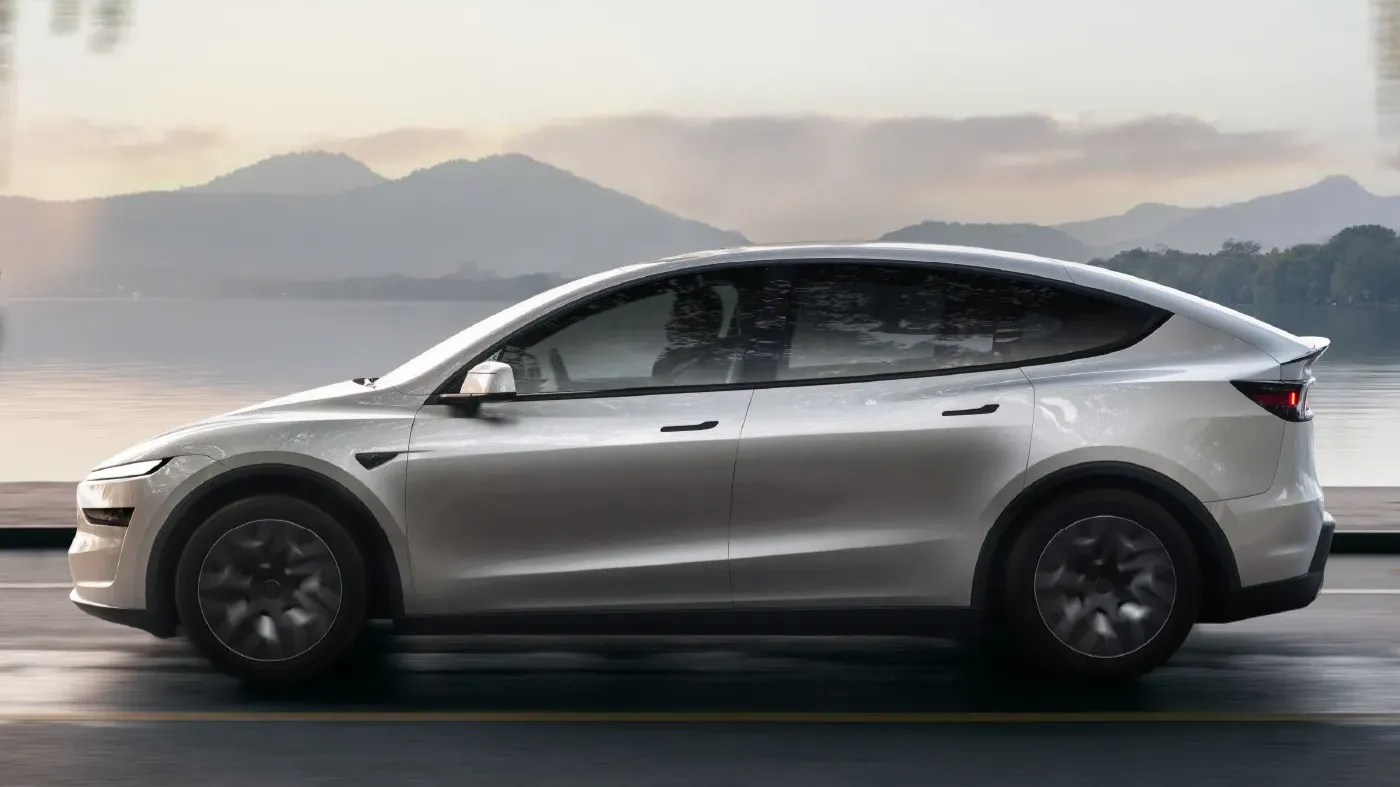
Canada struck a tariff deal with China on January 16, 2026, cutting duties on Chinese-made electric vehicles from 100% to 6.1% and reopening a market that had been effectively shut since mid-2024. Tesla (NASDAQ: TSLA) is widely expected to be the primary near-term beneficiary, given its existing Canadian retail infrastructure and a Shanghai factory already configured to build Canada-spec vehicles.
Under the agreement announced following Prime Minister Mark Carney's Beijing visit, Canada will allow up to 49,000 Chinese-made EVs annually at the reduced 6.1% tariff — the same most-favoured-nation rate that applied before Ottawa imposed the 100% surcharge. The annual cap is set to rise to 70,000 vehicles by 2030, with the federal government expecting that at least half of those eventual 70,000 units will carry an import price below CA$35,000 (c. $25,500).
The tariff reversal comes roughly 18 months after Ottawa imposed the 100% levy, citing concerns about Chinese state-directed overcapacity. The policy had forced Tesla to reroute its Canadian supply away from Giga Shanghai — its largest and lowest-cost plant globally — toward its Fremont and Berlin facilities. That shift had a measurable impact: in 2023, Tesla's China-sourced deliveries had driven a 460% year-over-year surge in automobile imports through the Port of Vancouver, reaching 44,356 units.
Advertisement – Continue scrolling for more
Tesla's re-entry path is more direct than any of its Chinese rivals. The company had specifically configured Giga Shanghai in 2023 to produce a Canada-specification Model Y, meaning the regulatory groundwork — compliance certification, crash standards, emissions labelling — is already done for at least one model.
Sam Fiorani, vice president at research firm AutoForecast Solutions, said the deal "could allow resumption of those exports rather quickly." Tesla also operates 39 retail locations across Canada, giving it a sales and service presence that no Chinese-native brand currently matches.
Cheaper Model 3 variants, which are predominantly built in Shanghai rather than elsewhere, stand to gain the most from the tariff reduction. The refreshed Model 3 Highland and the updated Model Y Juniper are both produced at Giga Shanghai and were unavailable to Canadian buyers at competitive price points while the 100% tariff was in place.
Advertisement – Continue scrolling for more
Tesla's Canadian sales fell nearly 64% in 2025, weighed down by the U.S.–Canada trade friction and reputational pressure tied to CEO Elon Musk's public profile. Restoring access to lower-cost Shanghai-built units could give the brand a pricing lever it has lacked for over a year.
Other brands with Chinese manufacturing stand to gain as well. Volvo and Polestar, both majority-owned by Geely, build several models in China and have an existing sales presence in Canada. Lotus Technology projected that the Canadian price of its Wuhan-produced Eletre SUV could fall by roughly 50% under the new regime.
Chinese automakers or battery manufacturers are also expected to establish joint ventures within Canada within three years as part of the arrangement, a condition designed to ensure the deal generates domestic economic activity rather than simply expanding import volumes.
Advertisement – Continue scrolling for more
The broader context matters for consumers. Canada's federal Incentives for Zero-Emission Vehicles program lapsed in 2025, lifting EV prices by an estimated 8–12% and contributing to a decline in new EV sales from roughly 264,000 in 2024 to about 191,000 in 2025.
Ottawa has since introduced a replacement program, the Electric Vehicle Affordability Program (EVAP), offering CA$5,000 (c. $3,600) for pure EVs priced below CA$50,000 (c. $36,500). A Nanos Research poll conducted in late January and early February 2026 found that 53% of Canadians said Chinese origin would not affect their vehicle purchase decision — a sharp shift from 2024, when 61% said it would make them less likely to buy.
Whether the quota fills quickly depends on how fast Tesla and others can reconfigure supply chains and refile compliance paperwork. The gap between policy and car lot can stretch months, and the fine print of the quota allocation — how capacity is divided among brands — had not been published by the Canadian government as of mid-February 2026. The question of which models ultimately land in Canadian showrooms, and at what price, will go some way toward determining whether the deal actually revives EV demand or remains a geopolitical gesture with a modest near-term footprint.
Advertisement – Continue scrolling for more