Source: Li Auto
Li Auto (NASDAQ: LI; HKEX: 2015) delivered 41,053 vehicles in March 2026, a 55% month-on-month increase from February and a 12% rise year-on-year, bringing first-quarter deliveries to 95,142 units — above the company's own guidance range of 85,000 to 90,000 vehicles.
Advertisement – Continue scrolling for more
The March result pushed Li Auto's cumulative deliveries to 1,635,357 units as of March 31, 2026. The rebound follows a difficult 2025: full-year deliveries were 406,343 vehicles, roughly 19% below 2024 levels, as the company transitioned its lineup toward battery electric vehicles while extended-range competition intensified.
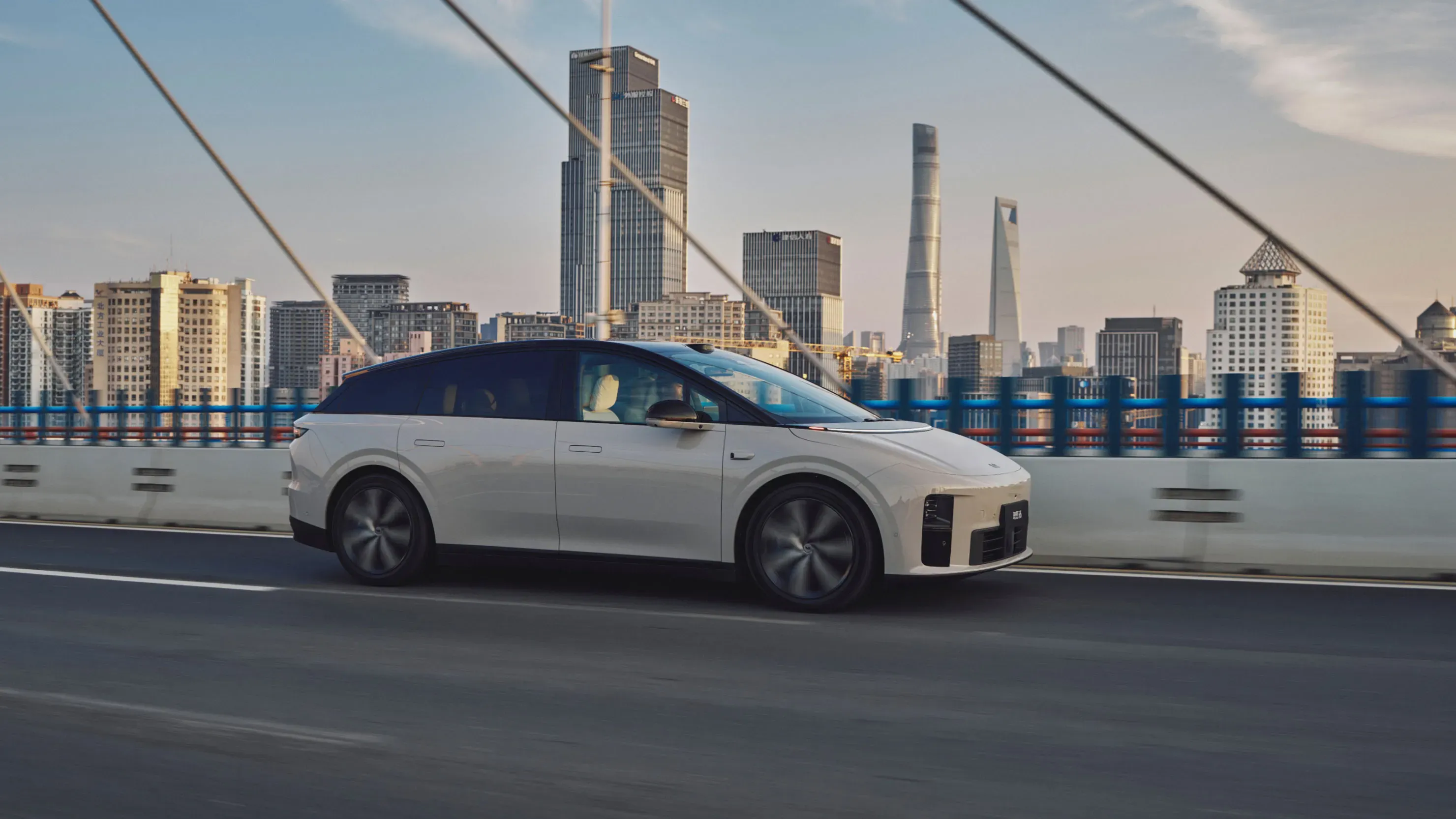
The Li i6, a five-seat battery electric SUV launched on September 26, 2025, drove the bulk of March's growth. Li Auto's official delivery update confirmed that the production bottleneck had been resolved and i6 monthly deliveries surpassed 24,000 units. Six months earlier, the model had delivered just 404 units in its debut month.
The ramp to scale had been complicated by battery supply shortages. Four months after launch, Li Auto was still delaying some i6 orders due to insufficient cell supply, encouraging customers to switch from CATL (HKEX: 3750) to Sunwoda (SHE: 300207) battery variants to receive faster delivery.
By March 20, the 80,000th i6 had rolled off the assembly line, with product line head Li Xinyang announcing on Weibo that estimated delivery times for pending orders would be further advanced.
Advertisement – Continue scrolling for more
As of April 1, 2026, buyers selecting the Sunwoda-battery variant can expect delivery in two to four weeks; CATL-battery versions carry a four-to-six week lead time. A limited-time promotion running through April 30, 2026, bundles up to 42,000 CNY in combined benefits, including a 5,000 CNY cash discount and accessories worth 25,000 CNY.
Source: Li Auto
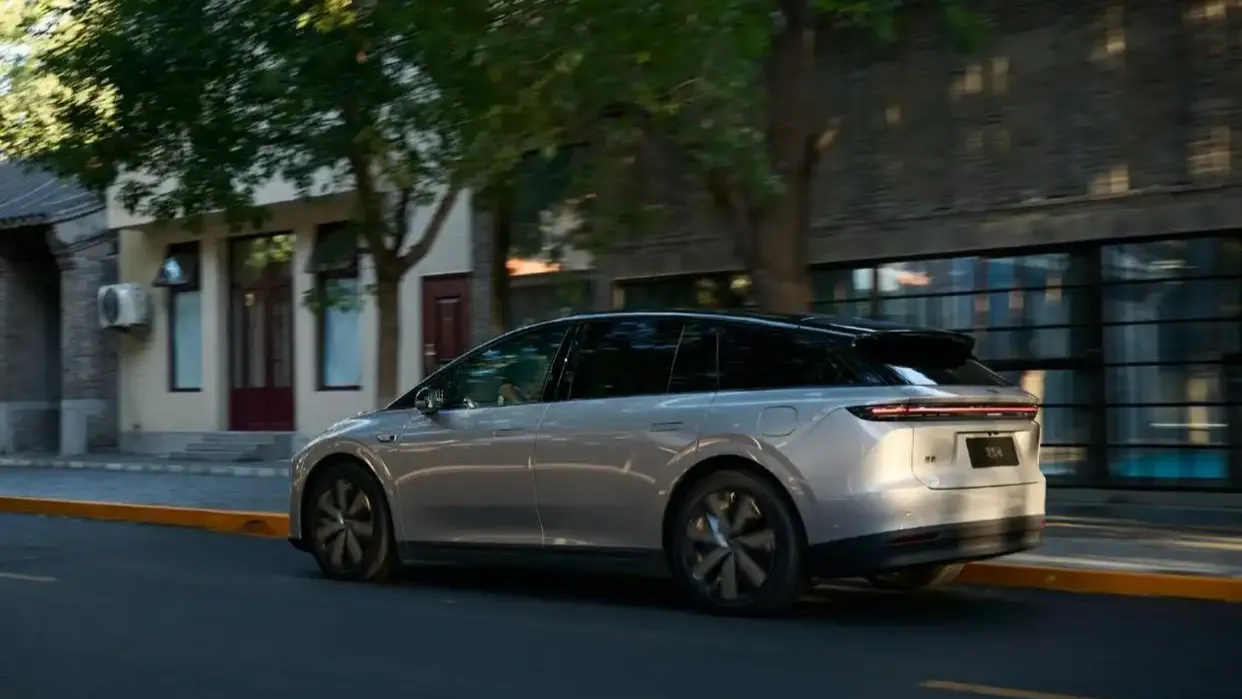
The i6 is offered in two variants: a rear-wheel drive model at 249,800 CNY (c. $36,300) and an all-wheel drive version at 269,800 CNY (c. $39,200). Both carry an 87.3 kWh lithium iron phosphate battery from CATL or Sunwoda, and both sit on an 800-volt platform supporting 5C charging at up to 500 kW peak — enough to add 500 km (311 miles) of range in 10 minutes, or replenish from 10% to 95% in 15 minutes.
The rear-drive model delivers a CLTC-rated range of 720 km (447 miles) and accelerates from 0 to 100 km/h in 6.5 seconds with 250 kW of output. The AWD version produces 400 kW, reaches 100 km/h in 4.5 seconds, and covers 660 km (410 miles) on a charge.
Advertisement – Continue scrolling for more
Both are built on a body measuring 4,950 mm long, 1,935 mm wide, and 1,670 mm tall, with a 3,000 mm wheelbase that the company says yields 3.3 metres of longitudinal cabin space. Autonomous driving is handled by the AD Max system, combining NVIDIA Thor-U processors with Li Auto's proprietary VLA driver model.
Source: Li Auto
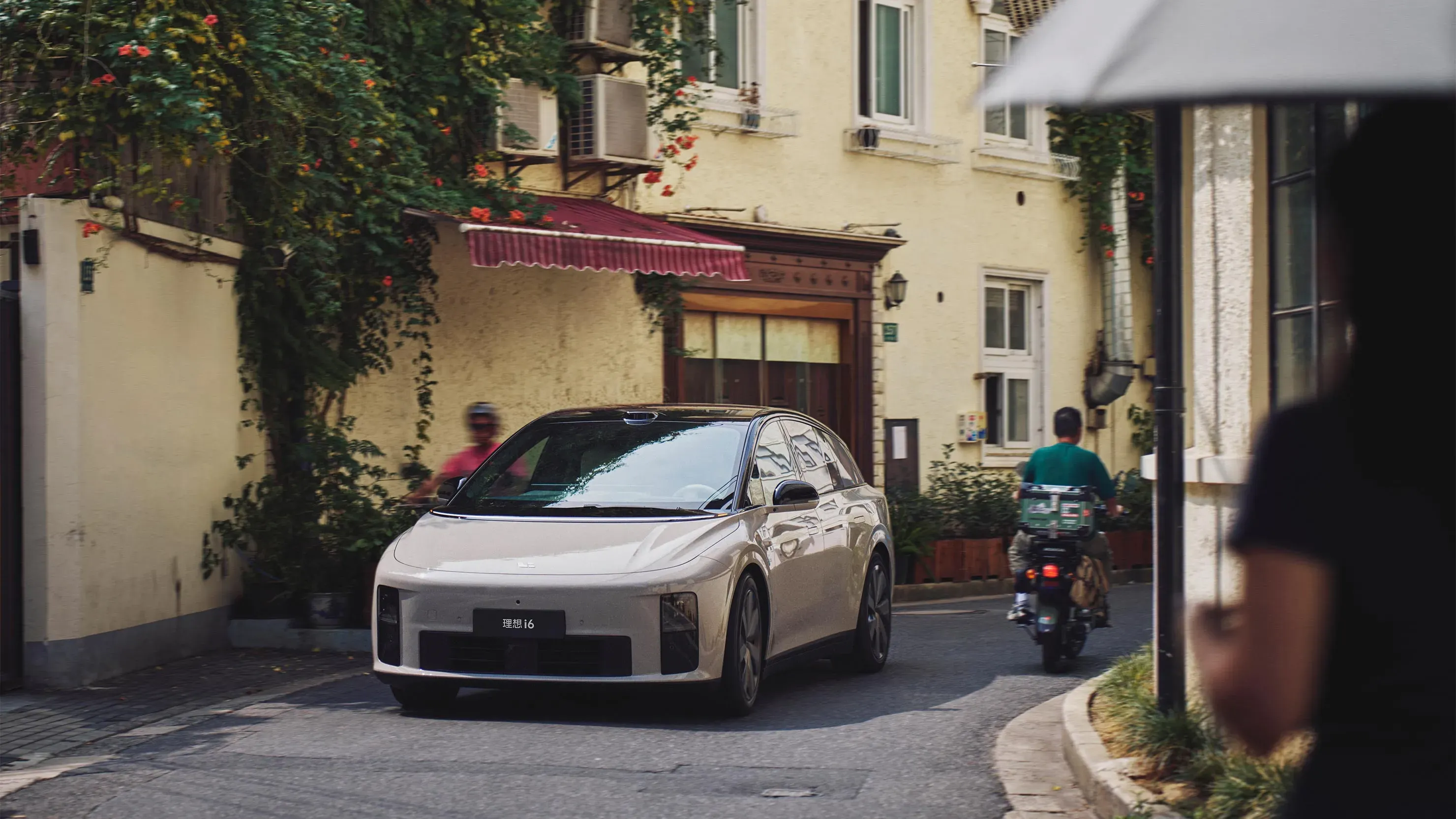
CEO Li Xiang described the i6 as the company's "sportiest and best driving vehicle" and its "most competitive all-electric 5-seater SUV" at the Q2 2025 earnings call. The model targets the 200,000 to 300,000 CNY segment alongside the Tesla (NASDAQ: TSLA) Model Y, Xiaomi Auto's YU7, NIO (NYSE: NIO)'s ES6, and XPeng (NYSE: XPEV)'s G7.
In March, at NVIDIA GTC 2026, Li Auto also unveiled MindVLA, its next-generation autonomous driving foundation model, which the company says enables direct 3D perception of the physical world with unified geometric and semantic understanding.
Advertisement – Continue scrolling for more
Management is targeting 20% year-on-year delivery growth for 2026, implying approximately 490,000 vehicles for the year. The Li i9, a flagship pure electric SUV, is expected in the second half of 2026, while an updated Li L9 extended-range model is planned for the second quarter.
With the i6 now producing over 24,000 units per month and the supply chain stabilised, the question is whether that momentum can hold through the summer before the next model wave arrives.
Advertisement – Continue scrolling for more