Li Auto shifts to Toyota's CE system after missing 2025 sales target by 36%
Li Auto (NASDAQ: LI) confirmed a major restructuring of its product development organization after failing to meet its 2025 annual sales target, underscoring mounting pressure on China’s once-fastest-growing extended-range EV maker.
On January 1, 2026, Li Auto disclosed December 2025 deliveries of 44,246 vehicles, bringing total deliveries for the year to 405,943 units. The figure fell well short of the company’s stated annual target of 640,000 vehicles, achieving 63.42% of the goal.
Advertisement – Continue scrolling for more
The sales shortfall followed a year of organizational and product-line strain. At the beginning of 2026, the head of Li Auto’s second product line departed to start a new business, prompting internal adjustments to address duplicated functions and fragmented decision-making that had emerged under independently run product lines.

Source: Li Auto
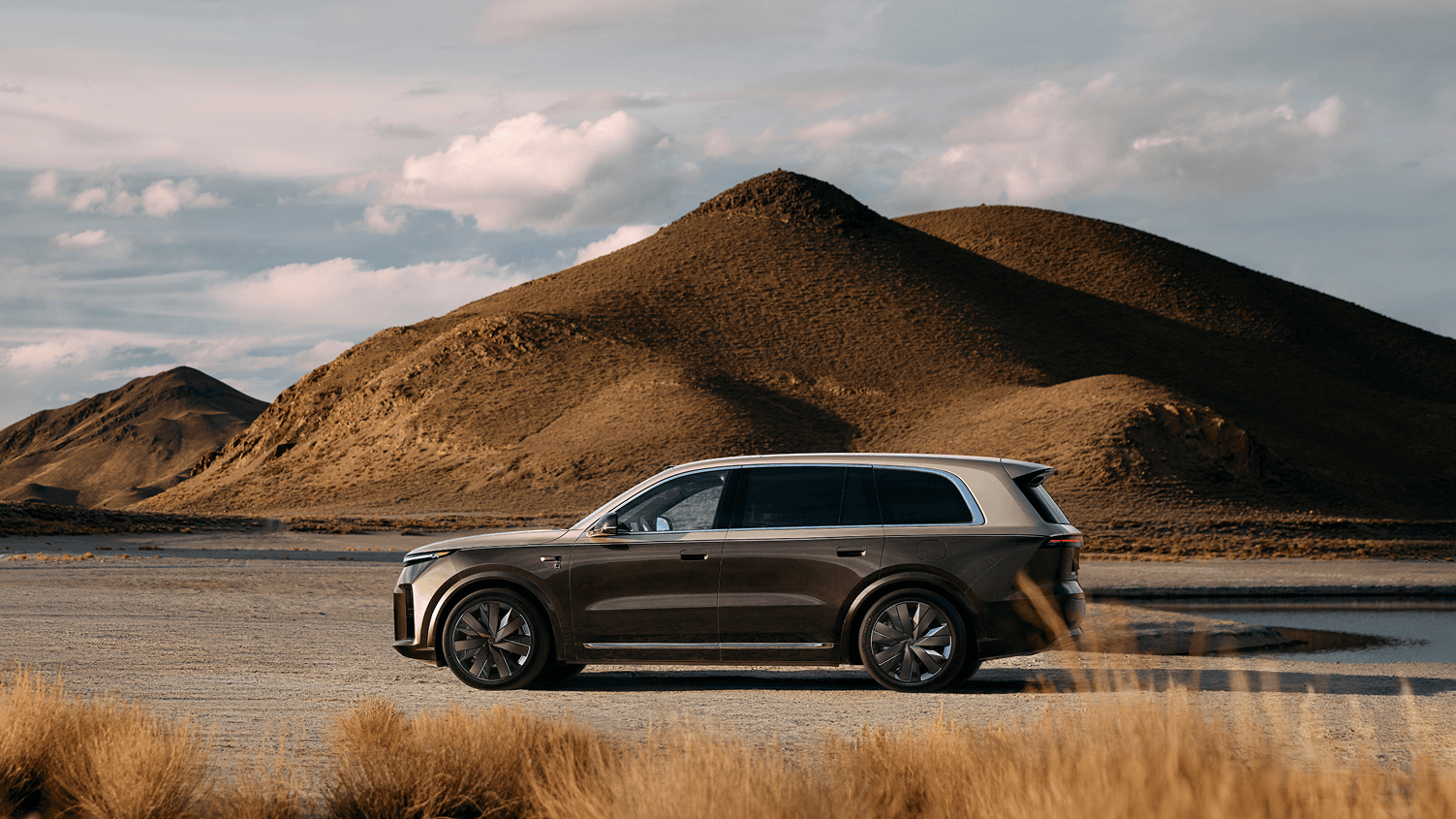
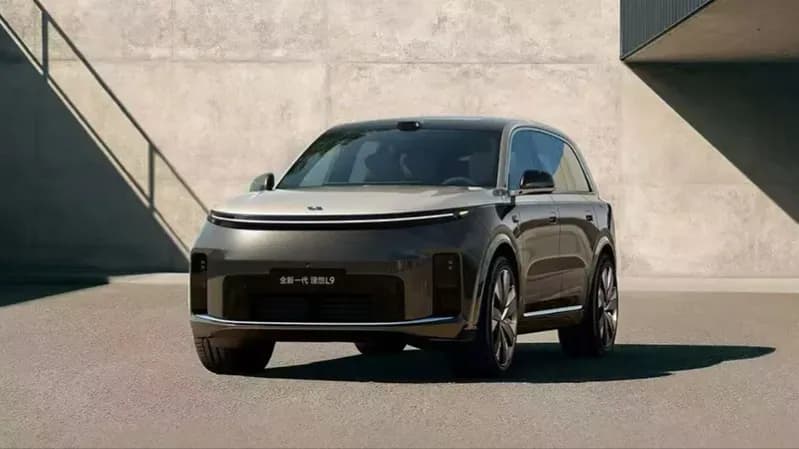
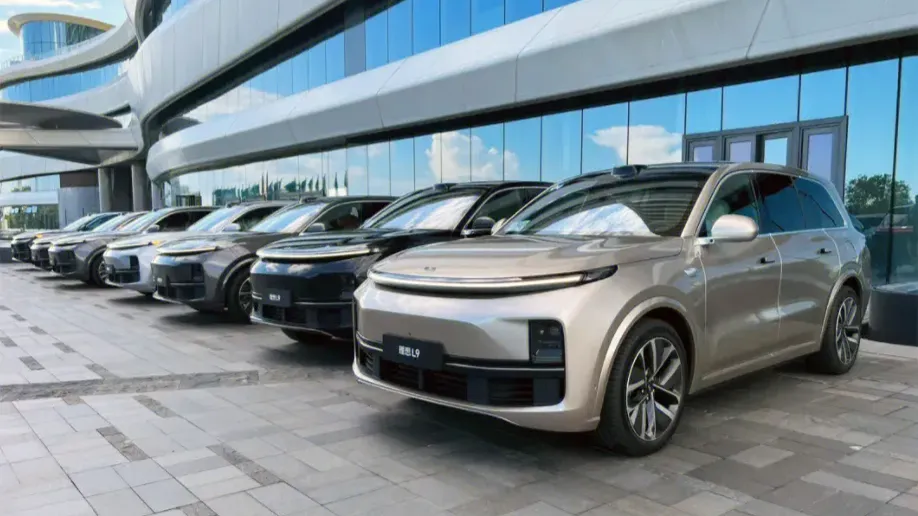
Li Auto’s rapid ascent began with the success of Li ONE and the L9, culminating in September 2022 deliveries of 11,531 vehicles, of which the L9 alone accounted for 10,123 units in its first delivery month. Seeking to replicate that success at scale, Li Auto pivoted toward Huawei-style management, introducing a matrix organization and adopting Huawei’s Integrated Product Development (IPD) framework.
Advertisement – Continue scrolling for more
In 2023, the company replaced OKRs with Personal Business Commitments (PBCs) and fully embedded IPD processes across product development. Monthly sales peaked at 50,354 units by the end of that year. In April 2024, Li Auto further reorganized into a “matrix 2.0” structure, splitting product teams into three formal product lines under the commercial division.
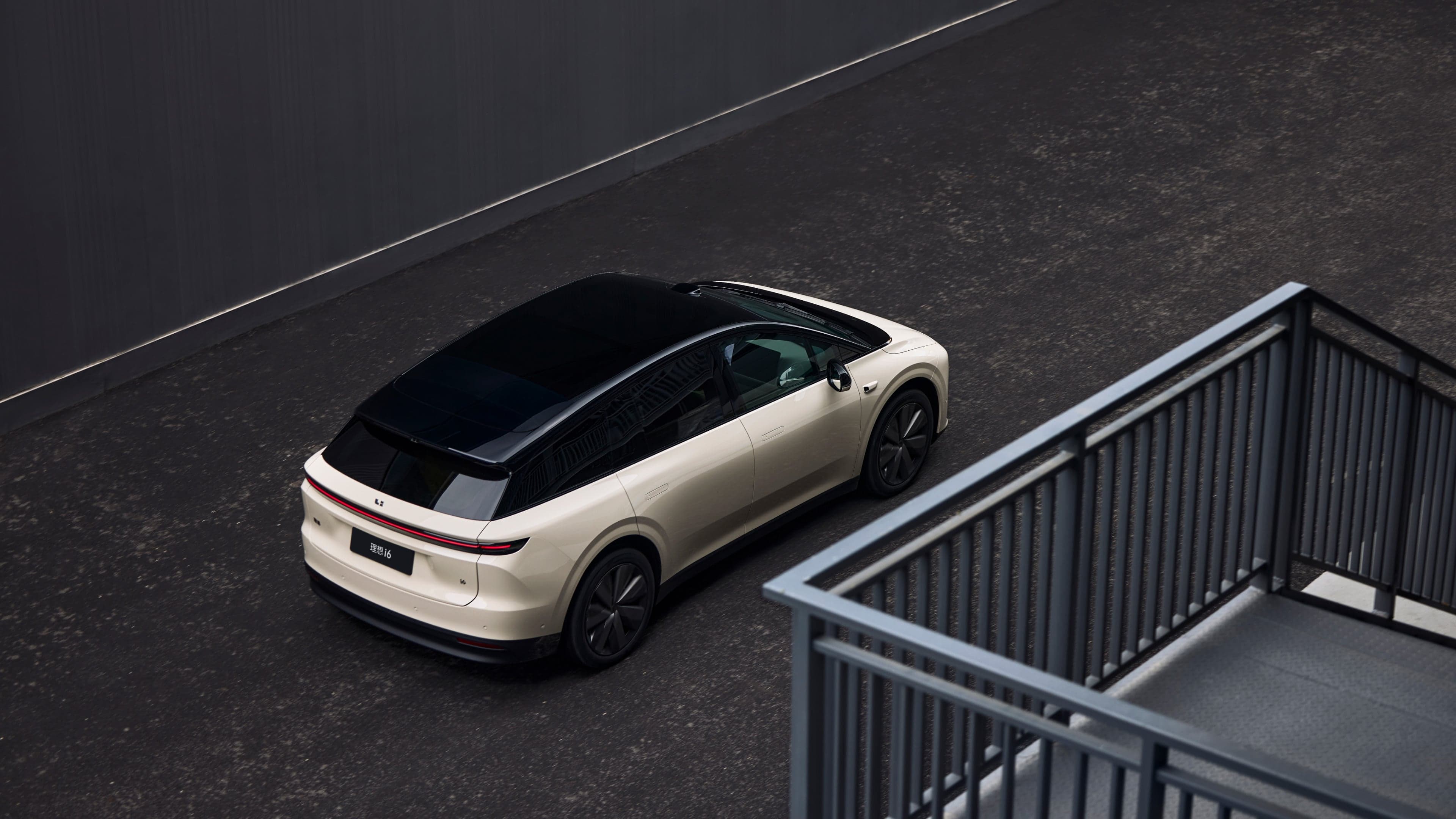
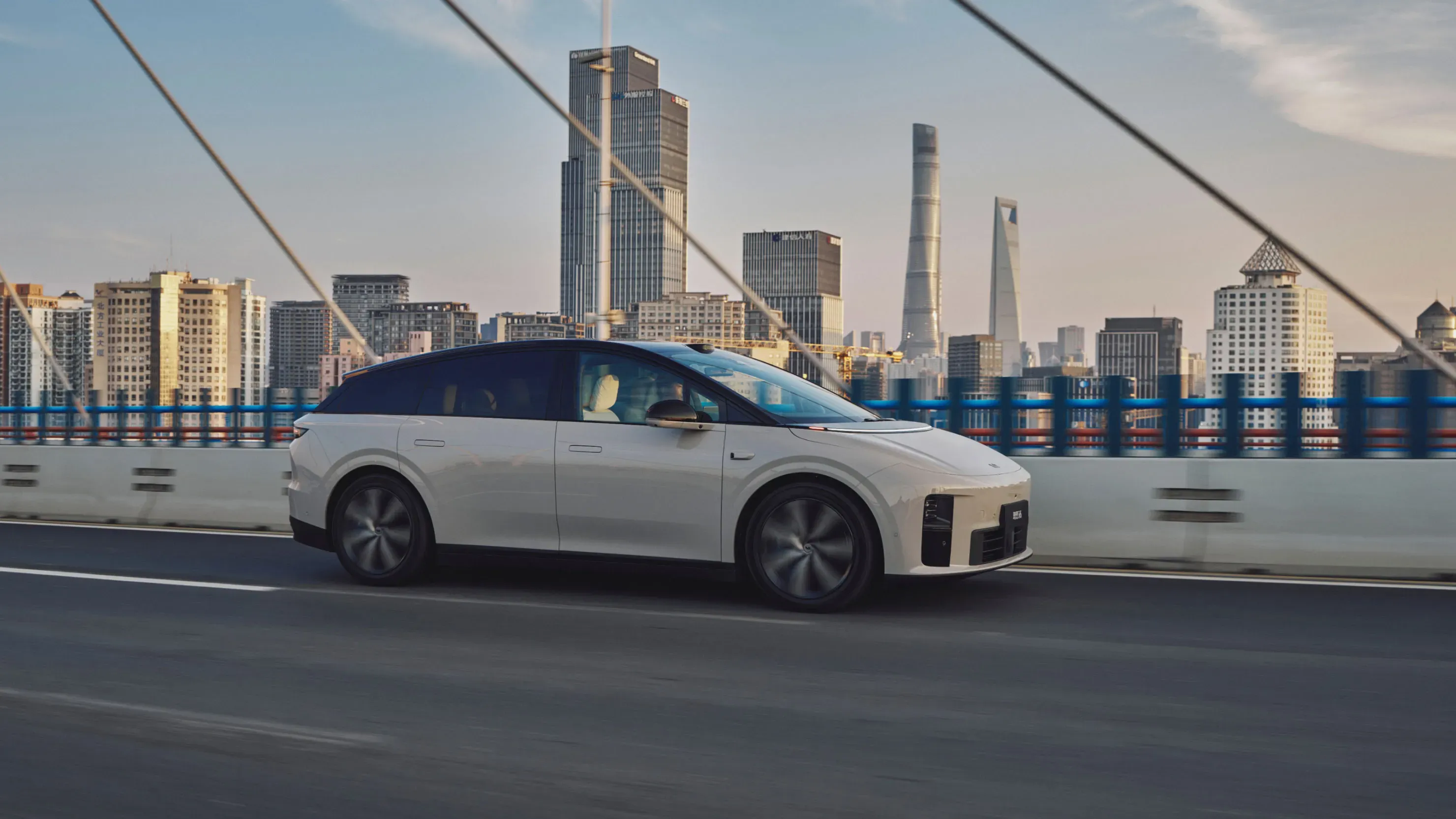
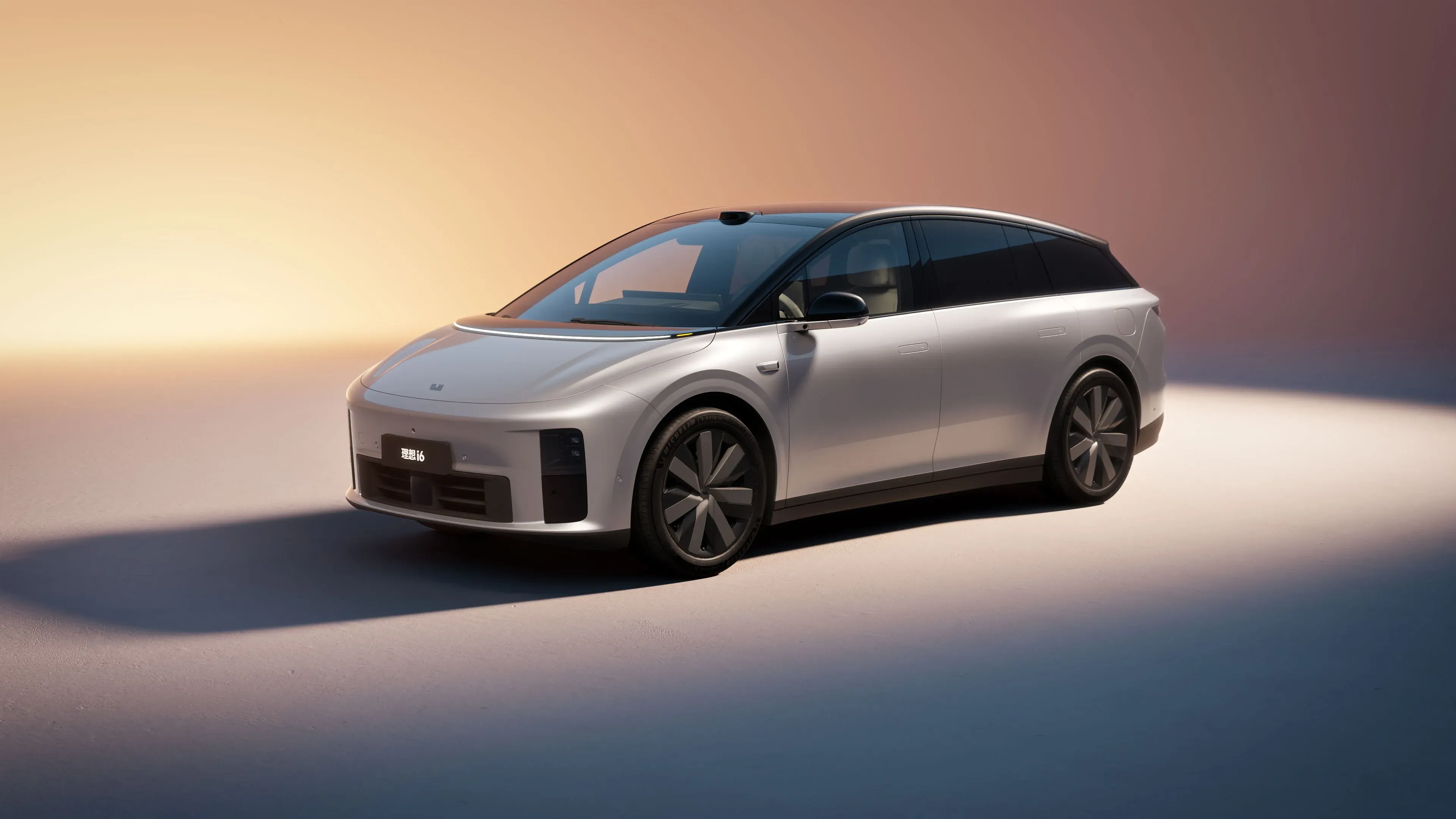
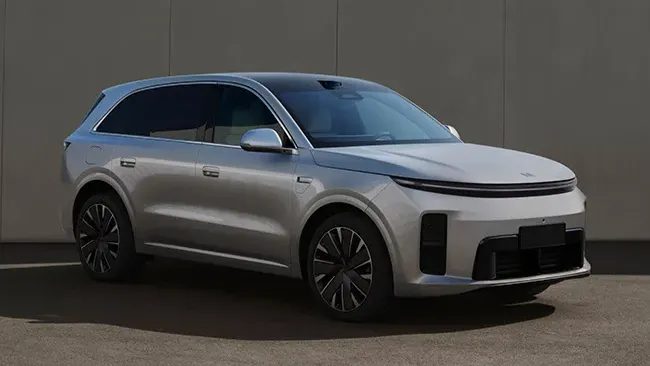
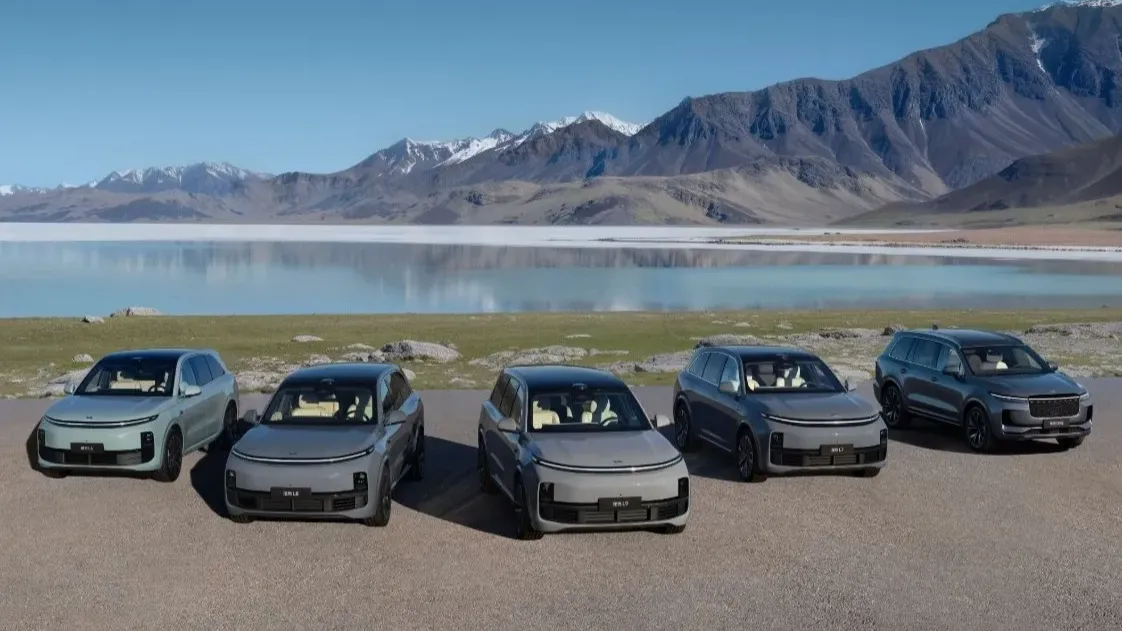
The first product line covered vehicles priced above 400,000 CNY (c. $57,300), including the MEGA and L9. The second spanned 300,000–400,000 CNY (c. $43,000–$57,300), covering the L8, L7, and i8. The third addressed vehicles below 300,000 CNY (below c. $43,000), including the L6 and i6.
Source: Li Auto
By late 2024, Li Auto recorded a record monthly delivery of 58,513 units. Momentum faded in the second half of 2025 after the launch of pure electric models i8 and i6, with monthly sales stabilizing between 30,000 and 40,000 units.
Li Auto’s core advantage had been extended-range electric technology paired with mid-to-large SUVs. The architecture delivers full electric drive characteristics while using an internal combustion engine solely for power generation, reducing drivetrain complexity and manufacturing costs. The approach proved commercially effective but technically easy to replicate.
Following Li Auto’s success, competing Chinese automakers introduced similar extended-range SUVs, including models closely aligned with Li Auto’s L-series positioning. As competition intensified, Li Auto’s early market share diluted, exposing the limits of extended-range systems as a long-term competitive moat.
Advertisement – Continue scrolling for more
Market dynamics compounded the challenge. From 2024 to 2025, vehicles priced above 400,000 CNY represented about 3% of China’s new energy vehicle market. The 300,000–400,000 CNY band accounted for roughly 6.5%, while the 200,000–300,000 CNY segment made up about 20%. Combined, Li Auto’s three product lines addressed only around 30% of the total market, increasing internal competition for resources.
The company’s latest adjustments increasingly resemble Toyota’s Chief Engineer (CE) system, where a single senior engineer oversees the full vehicle lifecycle. Before adopting Huawei’s IPD framework, Li Auto founder Li Xiang personally led development of Li ONE and L9, functioning in a CE-like role. Whether Li Xiang reassumes that position will shape Li Auto’s next product cycle.
Li Auto now faces the task of stabilizing its organization, broadening its product portfolio, and navigating an EV market where early architectural advantages no longer guarantee sustained growth.
Advertisement – Continue scrolling for more