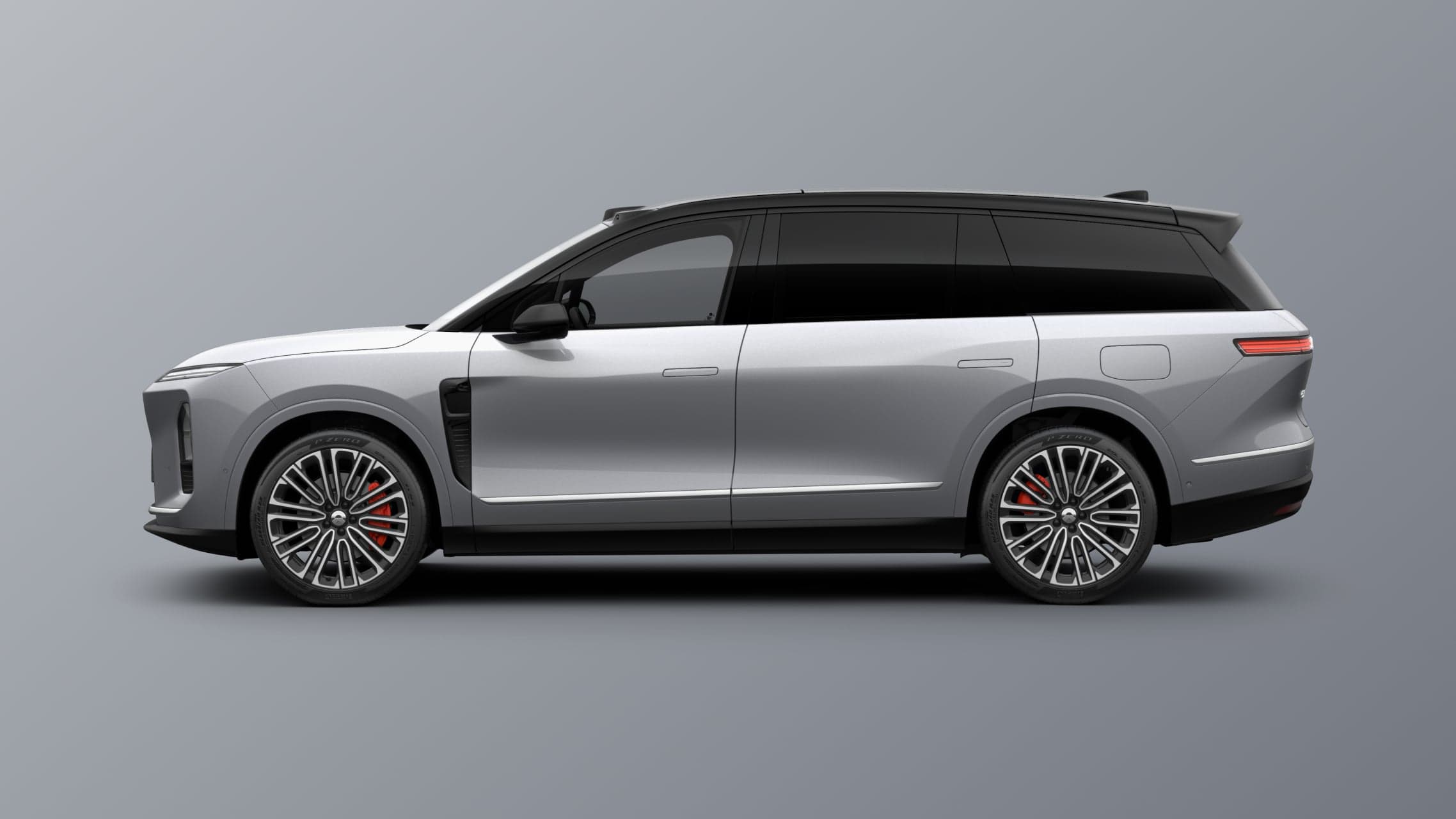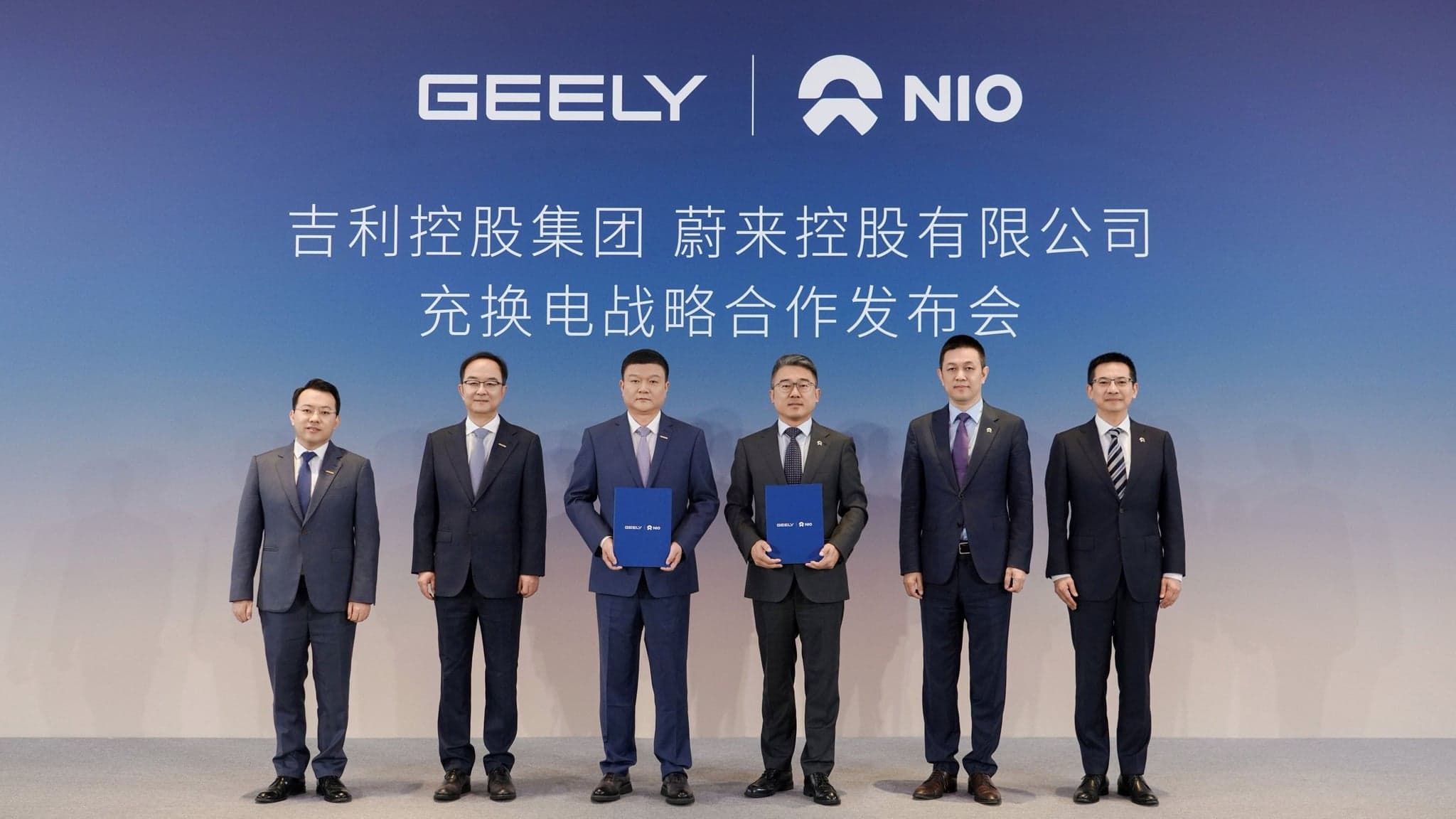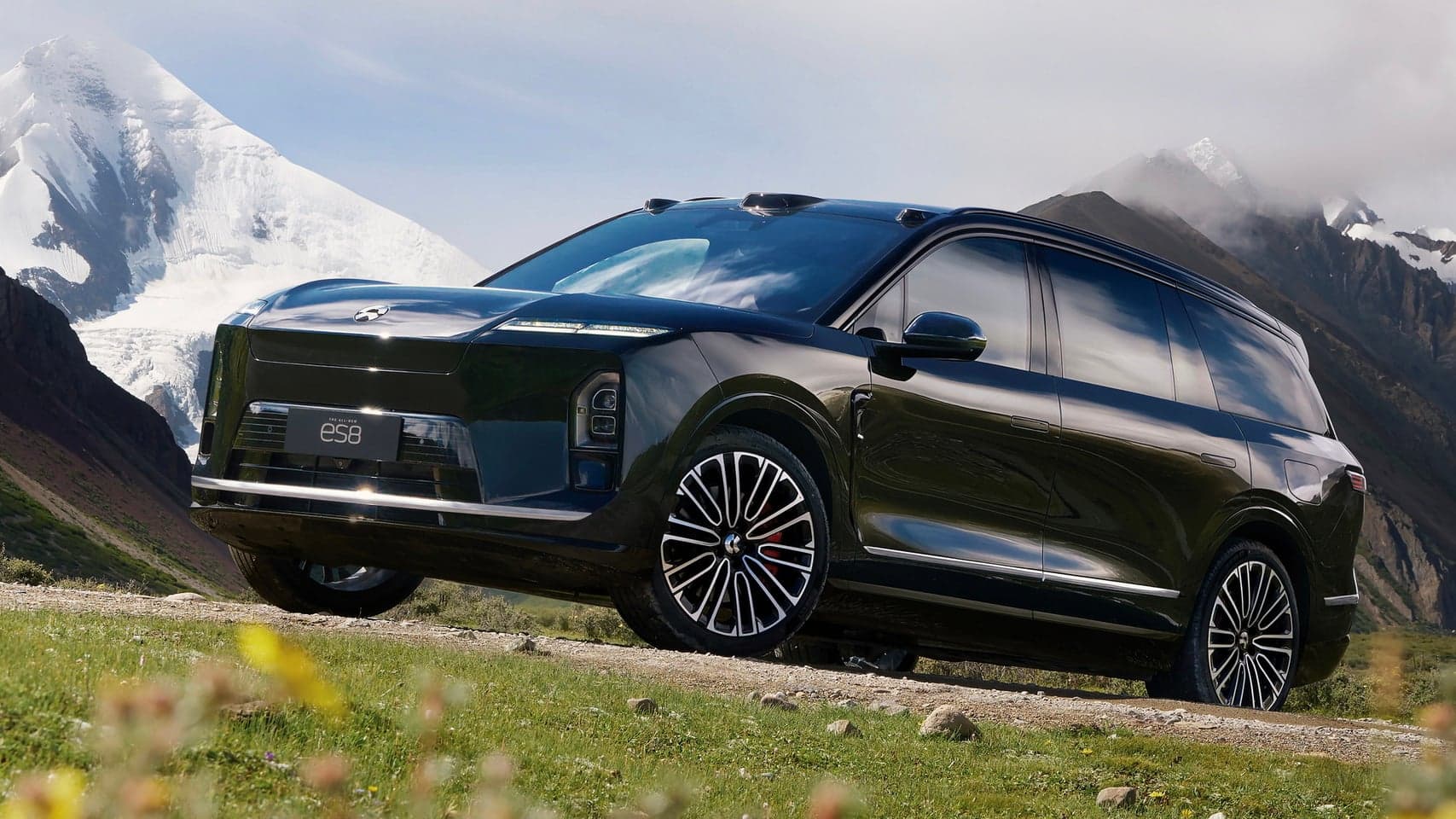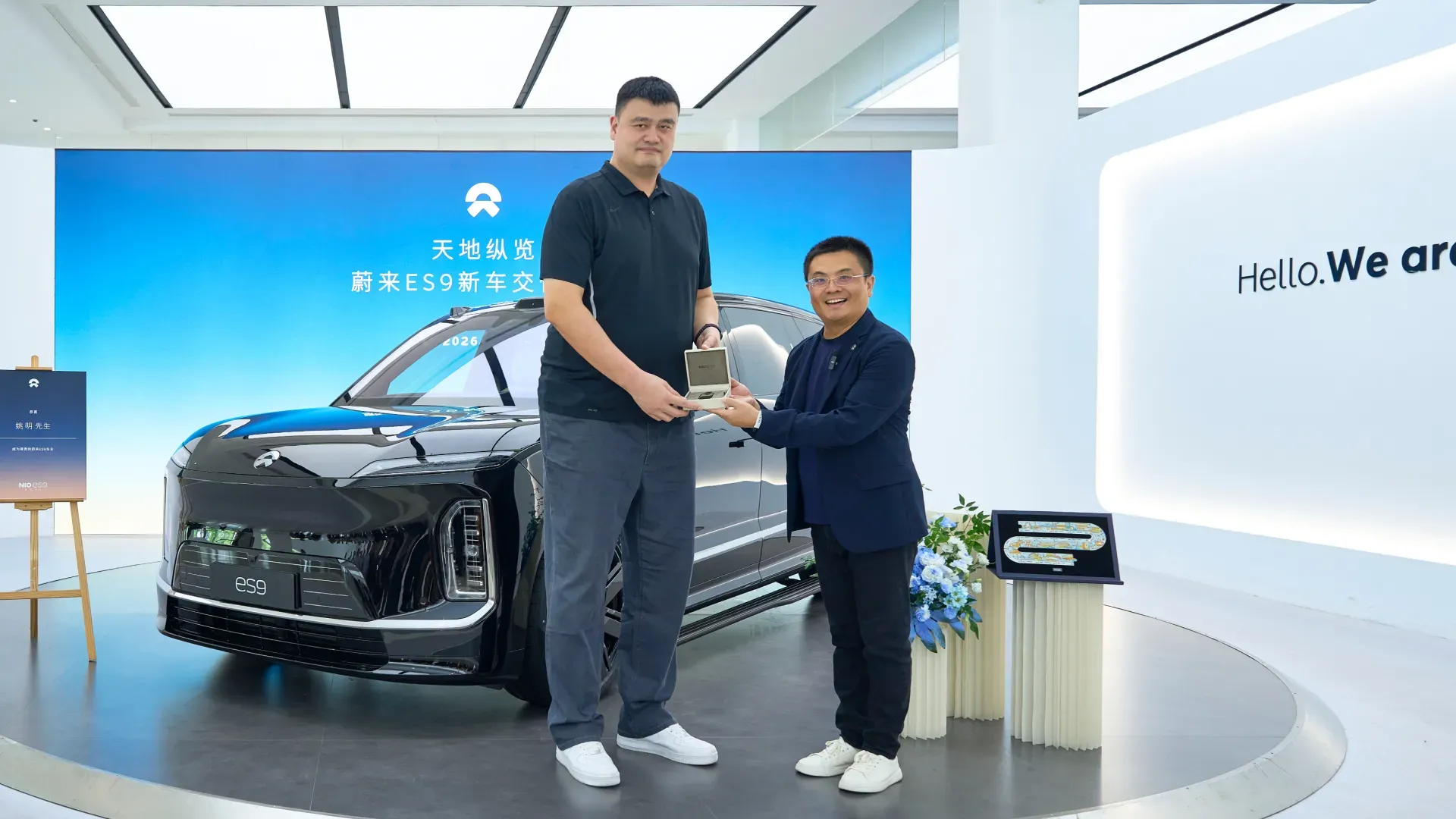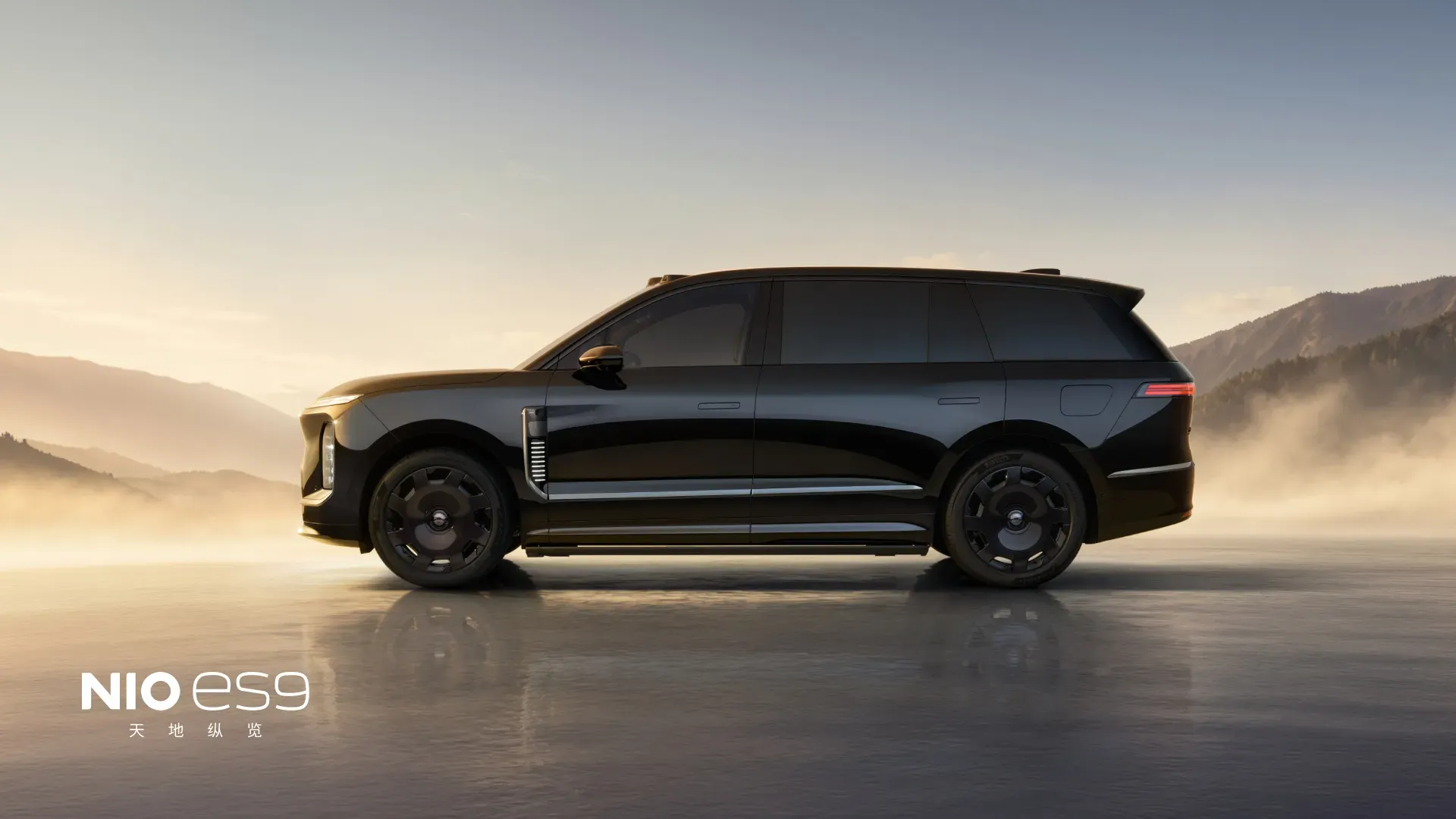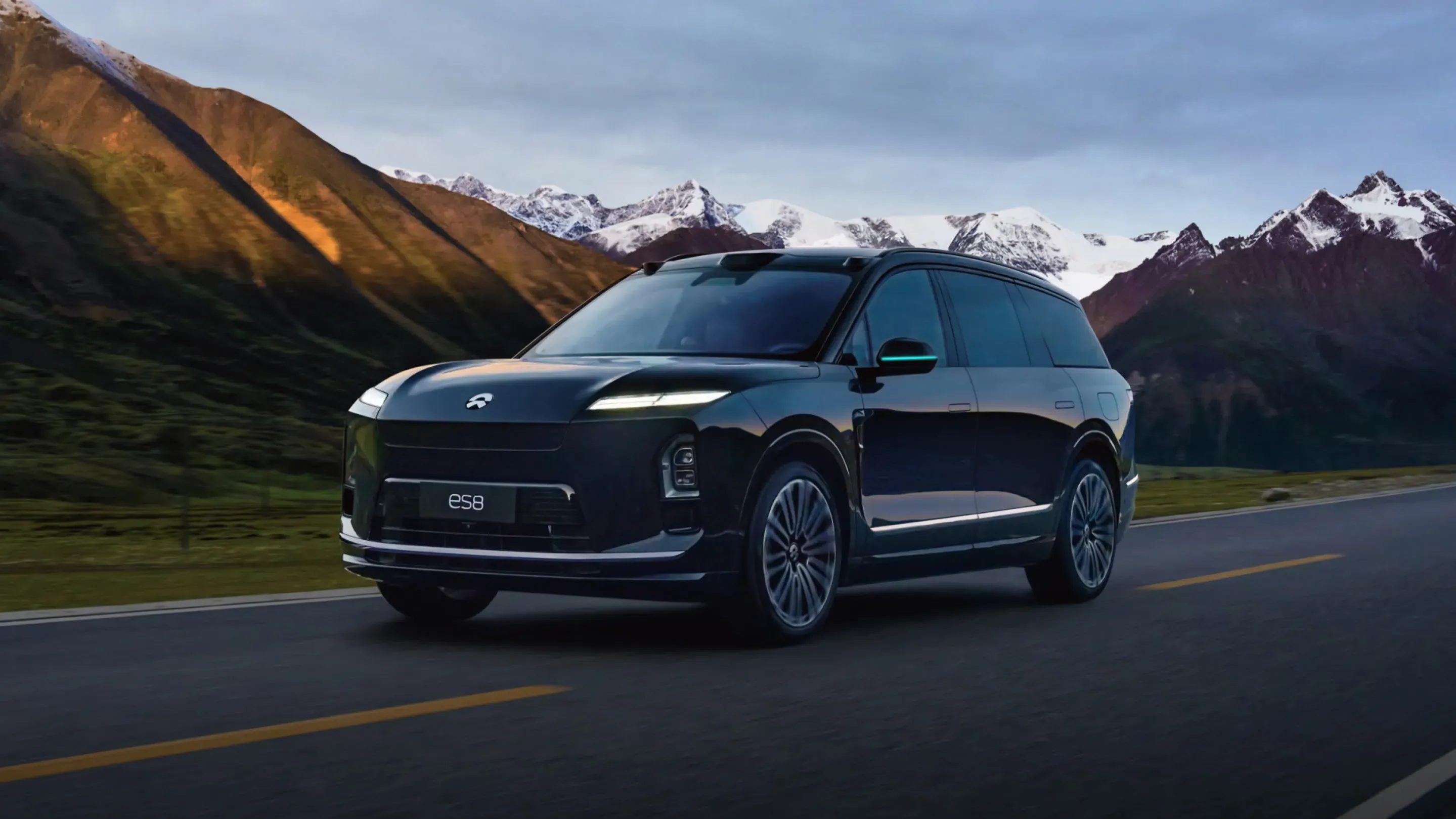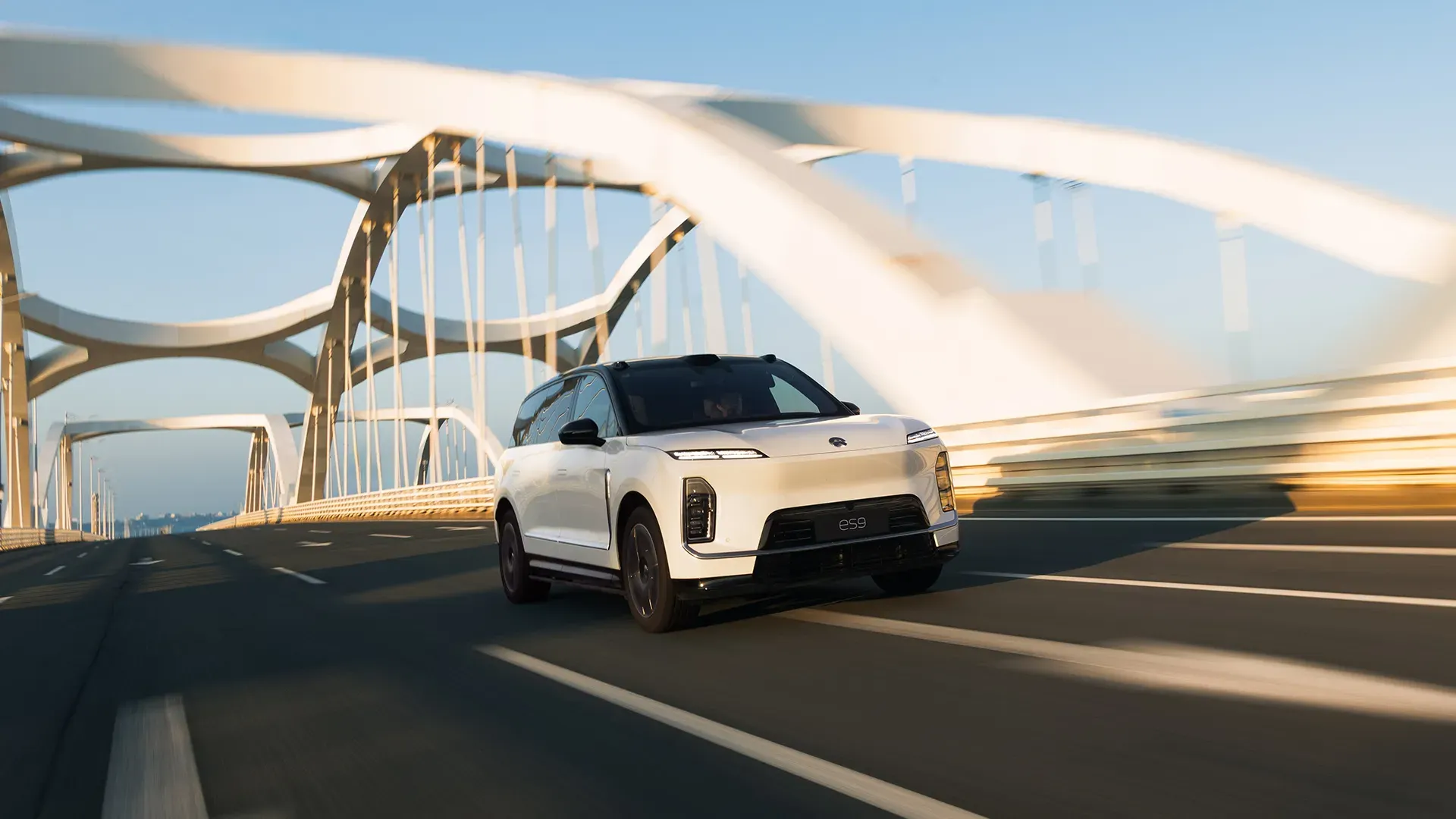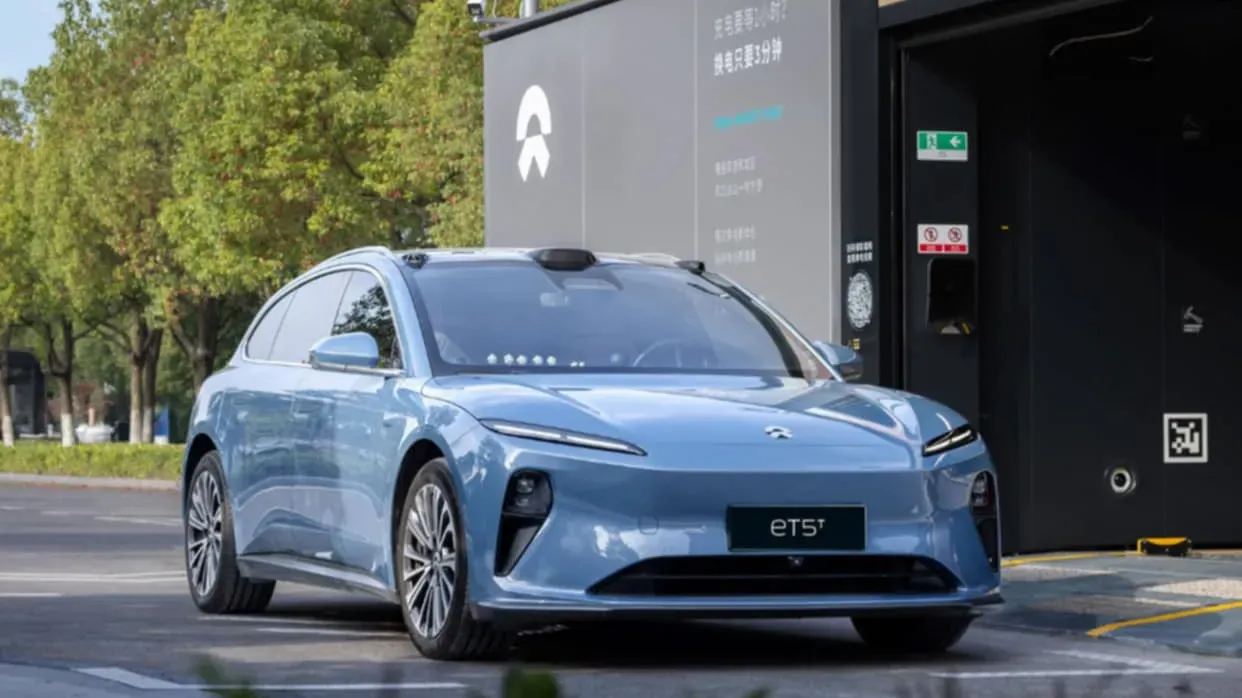
NIO Inc. (NYSE:NIO) will hold a ceremony on January 6, 2026, to mark the rollout of its 1,000,000th mass-produced vehicle at the NIO Advanced Manufacturing Xinqiao Phase II Factory.
The milestone follows a record delivery year and comes as founder, chairman and chief executive William Li outlines an operating strategy for 2026 focused on efficiency, infrastructure investment and global expansion.
NIO delivered 326,028 vehicles in 2025, setting a new annual record and achieving 46.9% year-on-year growth. By January 1, 2026, cumulative deliveries across all brands had reached 997,592 vehicles, placing the company within days of the one-million-unit threshold ahead of the planned ceremony.
The 2025 delivery total was spread across three brands. The NIO brand delivered 178,806 vehicles, the mass-market ONVO brand delivered 107,808 vehicles, and the Firefly brand delivered 39,414 vehicles during the year.
Cumulative deliveries reflect a similar structure. As of January 1, the NIO brand accounted for 829,609 vehicles, ONVO for 128,569 vehicles, and Firefly for 39,414 vehicles since launch.
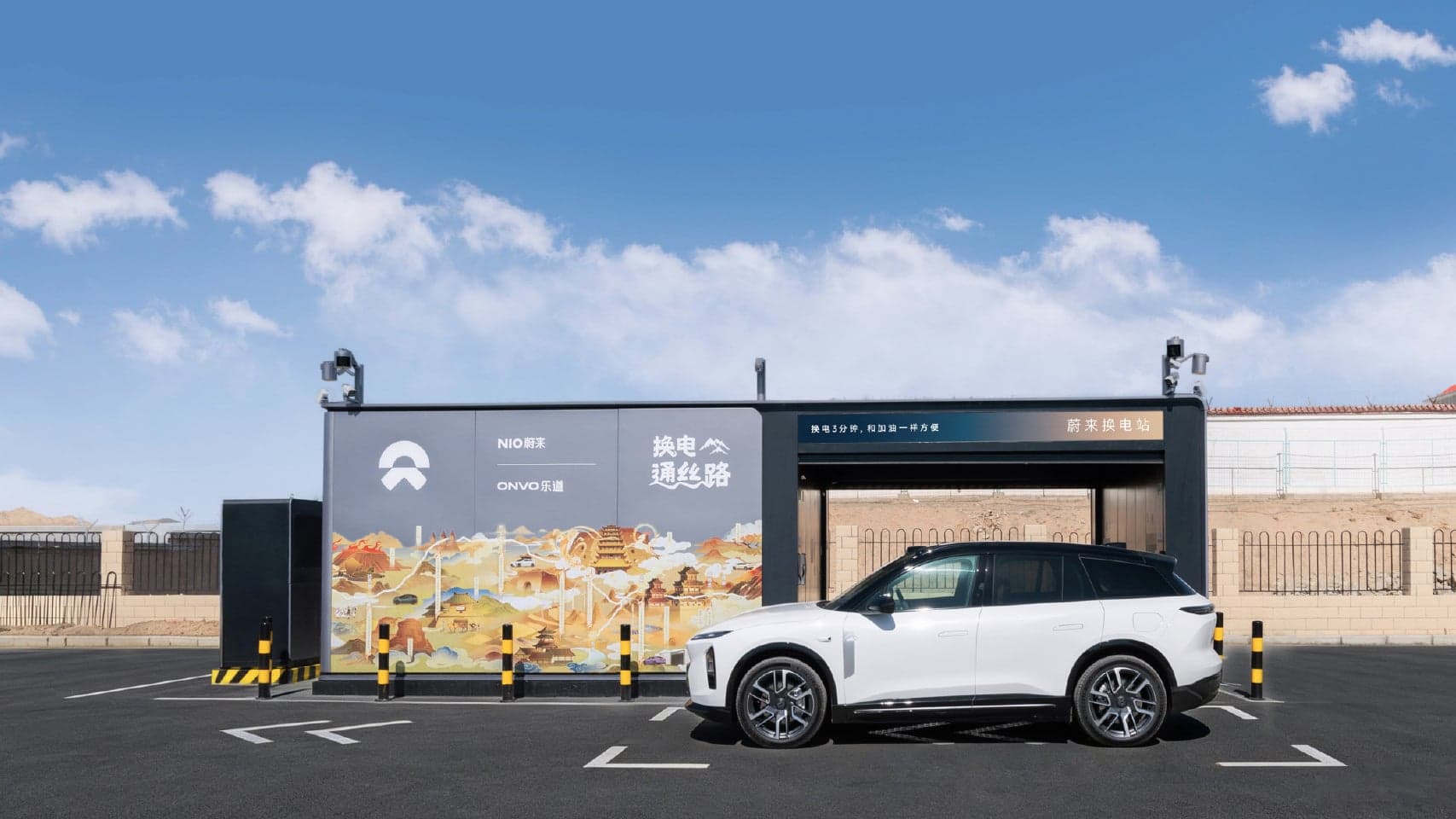
Li referenced the approaching milestone in a company-wide letter released on January 1, 2026, following the completion of a livestream documenting the Yunnan–Tibet battery swap corridor. In the letter, he described 2025 as a year of organizational reform that required difficult but necessary decisions to strengthen cost controls and reinforce operational discipline.
Li said the changes improved NIO’s system-wide capabilities and argued that the company is gradually moving beyond its operational low point. He warned that competition in the automotive sector has become a long-term efficiency contest, with survival increasingly determined by 3–5 percentage point differences in execution.
On industry trends, Li said pure electric vehicles are entering a period of sustained growth. Data cited in the letter showed that in the first 11 months of 2025, pure EVs represented more than 60% of China’s new energy vehicle sales. Plug-in hybrid electric vehicles, after rapid expansion the previous year, recorded slower growth.
Li projected that by 2030, China’s new energy vehicle penetration rate could exceed 90%, with pure electric vehicles accounting for more than 80% of total NEV sales. He said current market data supports NIO’s long-term commitment to an all-electric technology path.
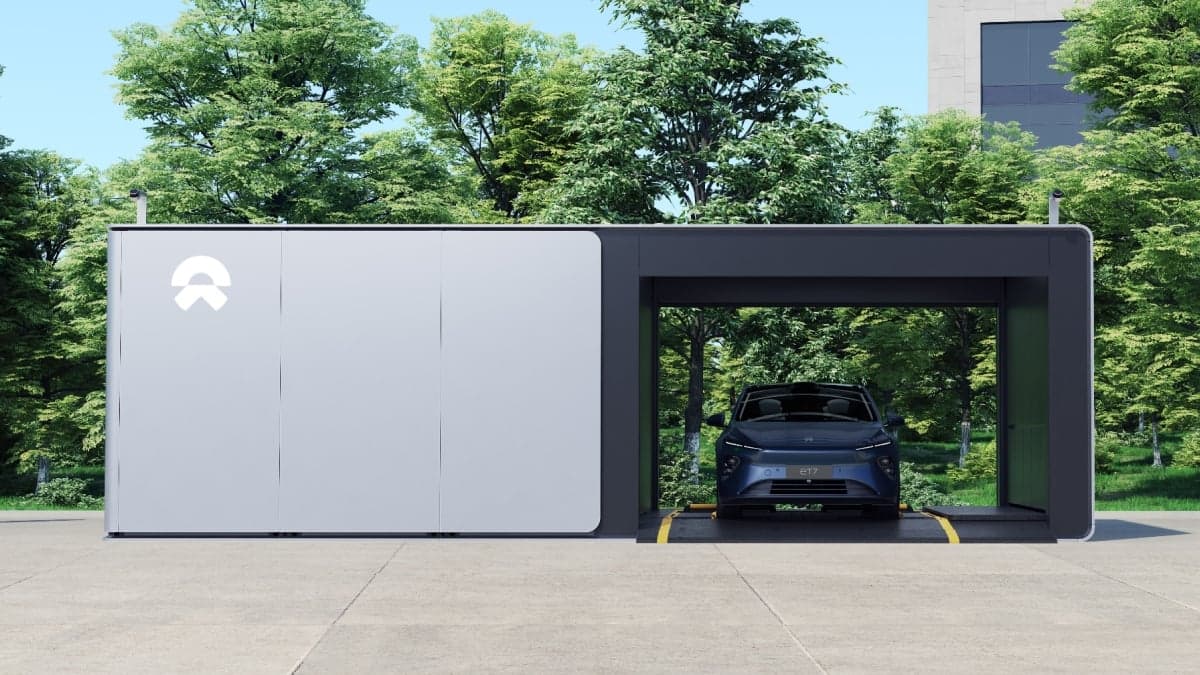
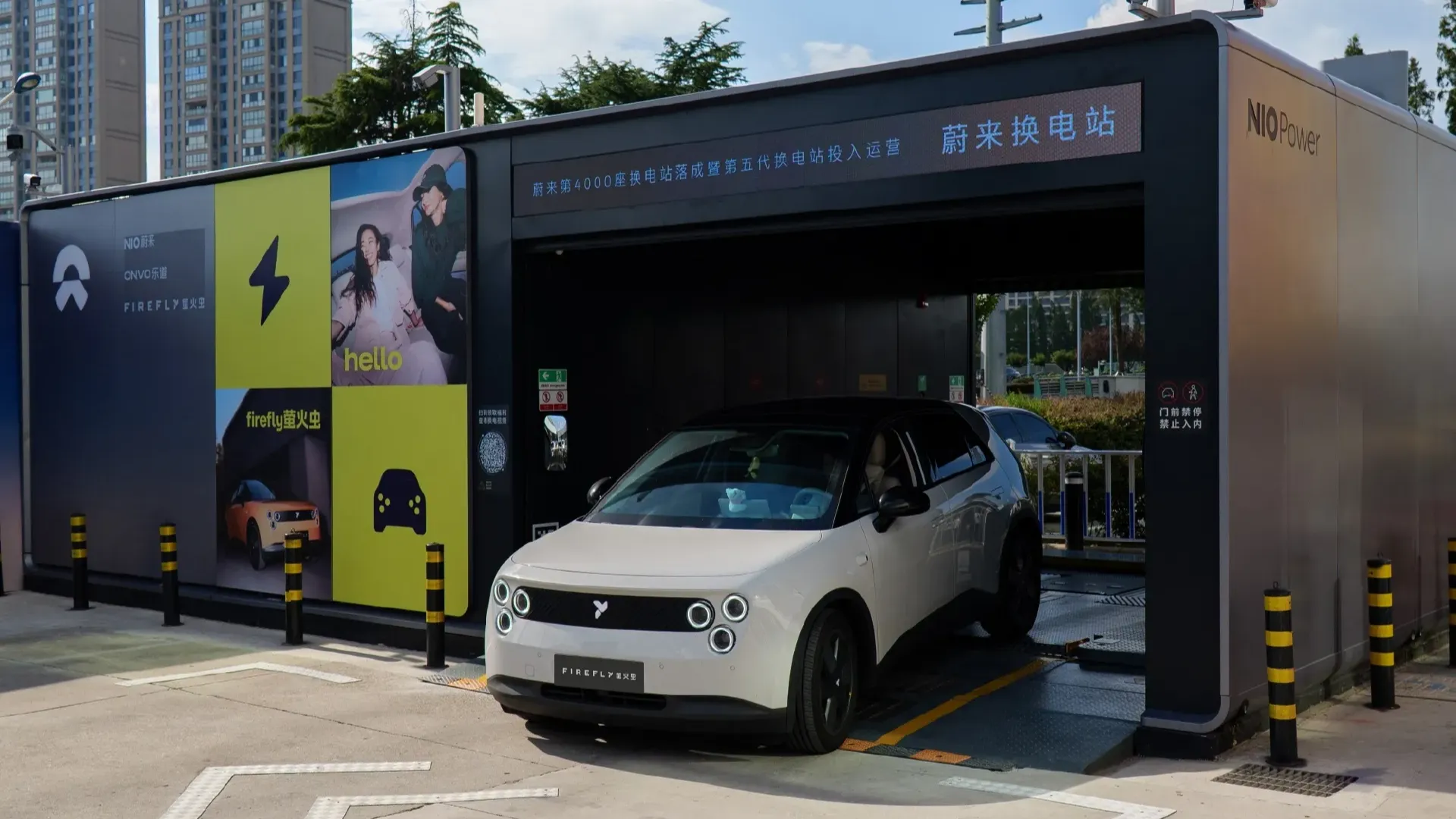
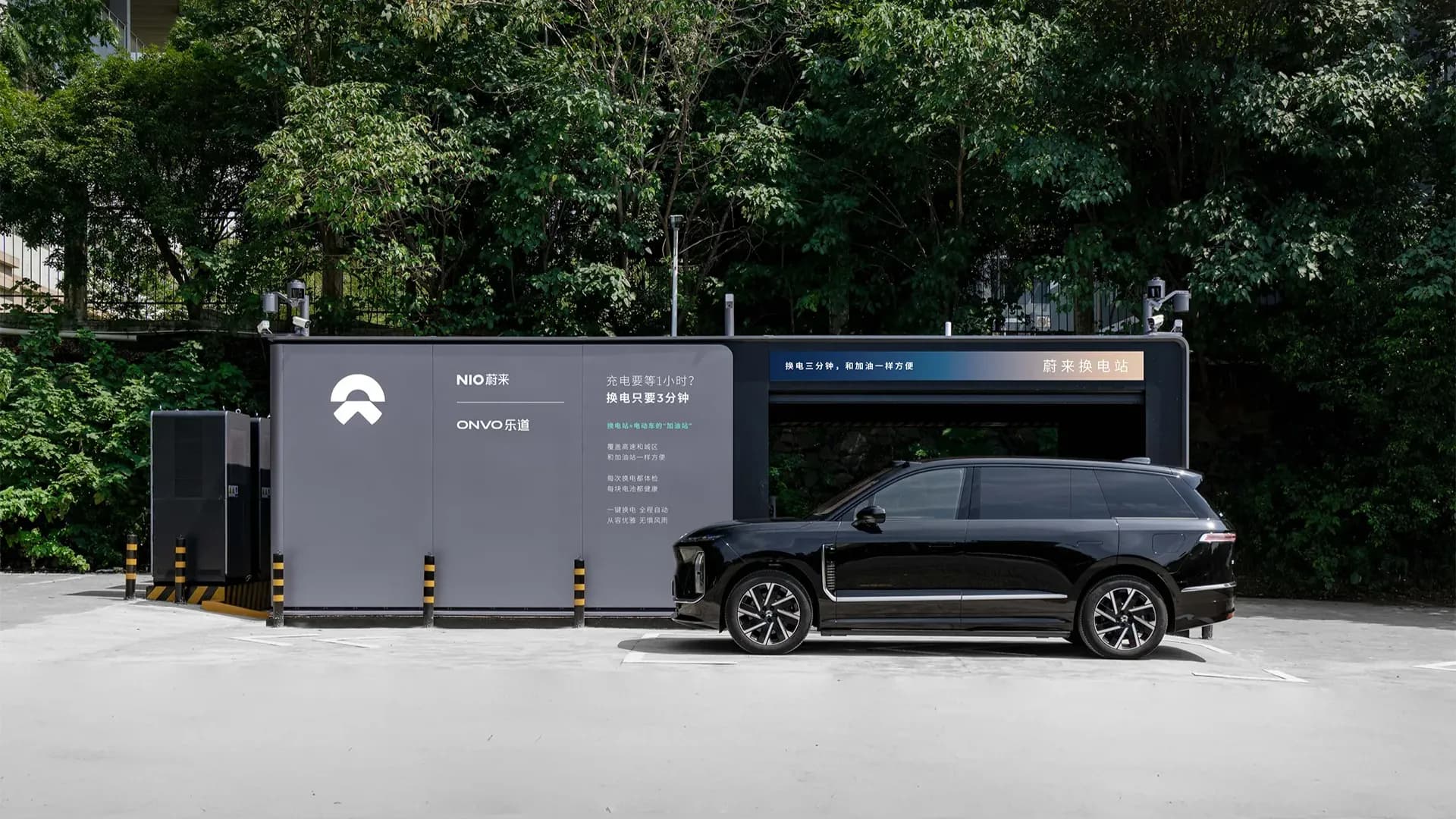
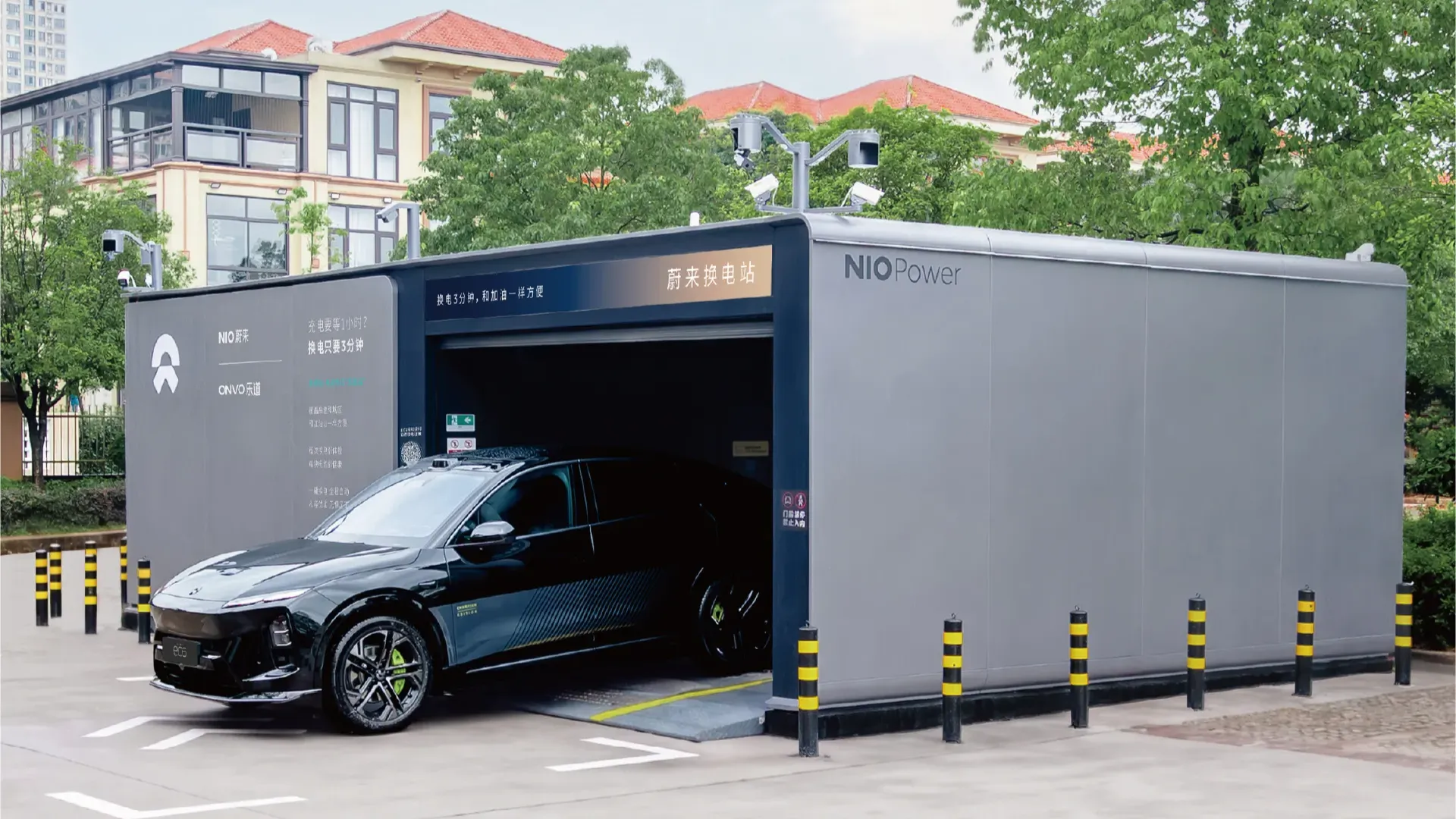
For 2026, Li set out several priorities, including continued investment in full-stack technology, accelerated deployment of battery swap and charging infrastructure, further expansion of the sales and service network, and steady progress in international markets. Organizational reform will continue as part of these efforts.
The company plans to launch three new vehicle models in 2026 and to construct more than 1,000 new battery swap stations during the year. No pricing information or detailed technical specifications were disclosed alongside the milestone announcement.
The rollout of NIO’s one-millionth production vehicle places the company among a limited group of Chinese EV manufacturers operating at this scale, as the domestic market shifts from volume growth to sustained competition on efficiency and execution.
Whether NIO can translate production scale into profitable operating advantages will be closely watched as China’s electric vehicle market enters its next phase.