SAIC Motor Corporation (SHA: 600104) said on April 3, 2026, that it will progressively launch mass-production vehicles equipped with semi-solid-state batteries across different brands this year, while maintaining its target of full solid-state battery production by 2027.
The state-owned automaker disclosed the plans via China's Shanghai Stock Exchange investor interaction platform, framing the announcement alongside broader 2026 targets: full-year wholesale volumes of 5 million vehicles and total revenue exceeding 700 billion CNY (c. $101.7 billion).
The disclosure follows a strong Q1 performance. SAIC recorded wholesale vehicle sales of 973,000 units from January to March 2026, up 3% year-on-year, while retail sales reached 1,008,000 units — making it the only automaker in China to surpass 1 million retail units in the first quarter. In March alone, the group moved 376,000 vehicles.
Advertisement – Continue scrolling for more
SAIC's push into next-generation battery chemistry is anchored by its investment in QingTao Energy Development, a Shanghai-based battery startup. The two companies operate a joint development laboratory and have co-developed a polymer-inorganic composite electrolyte technology.
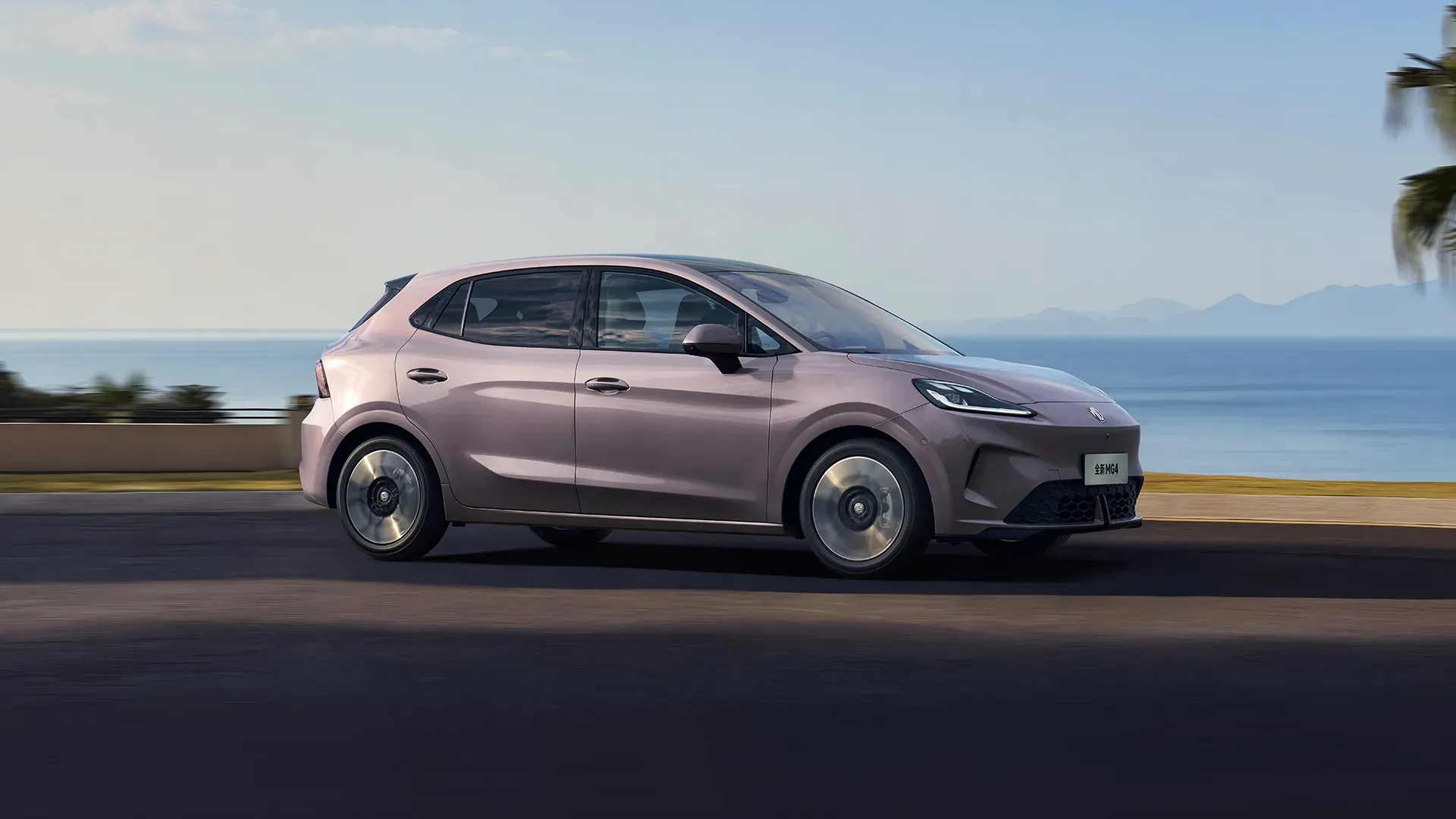
MG MG4 (MG)
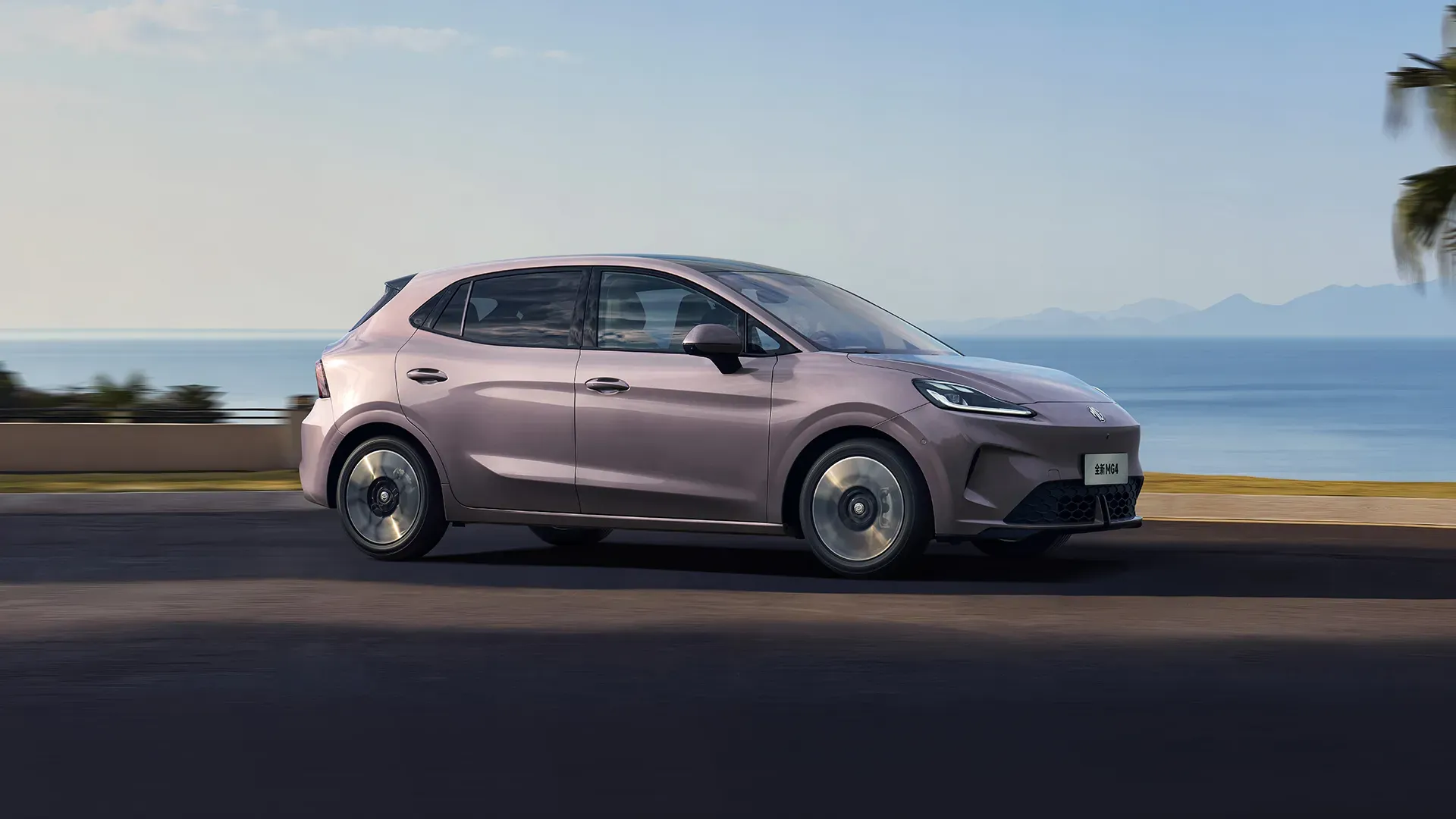
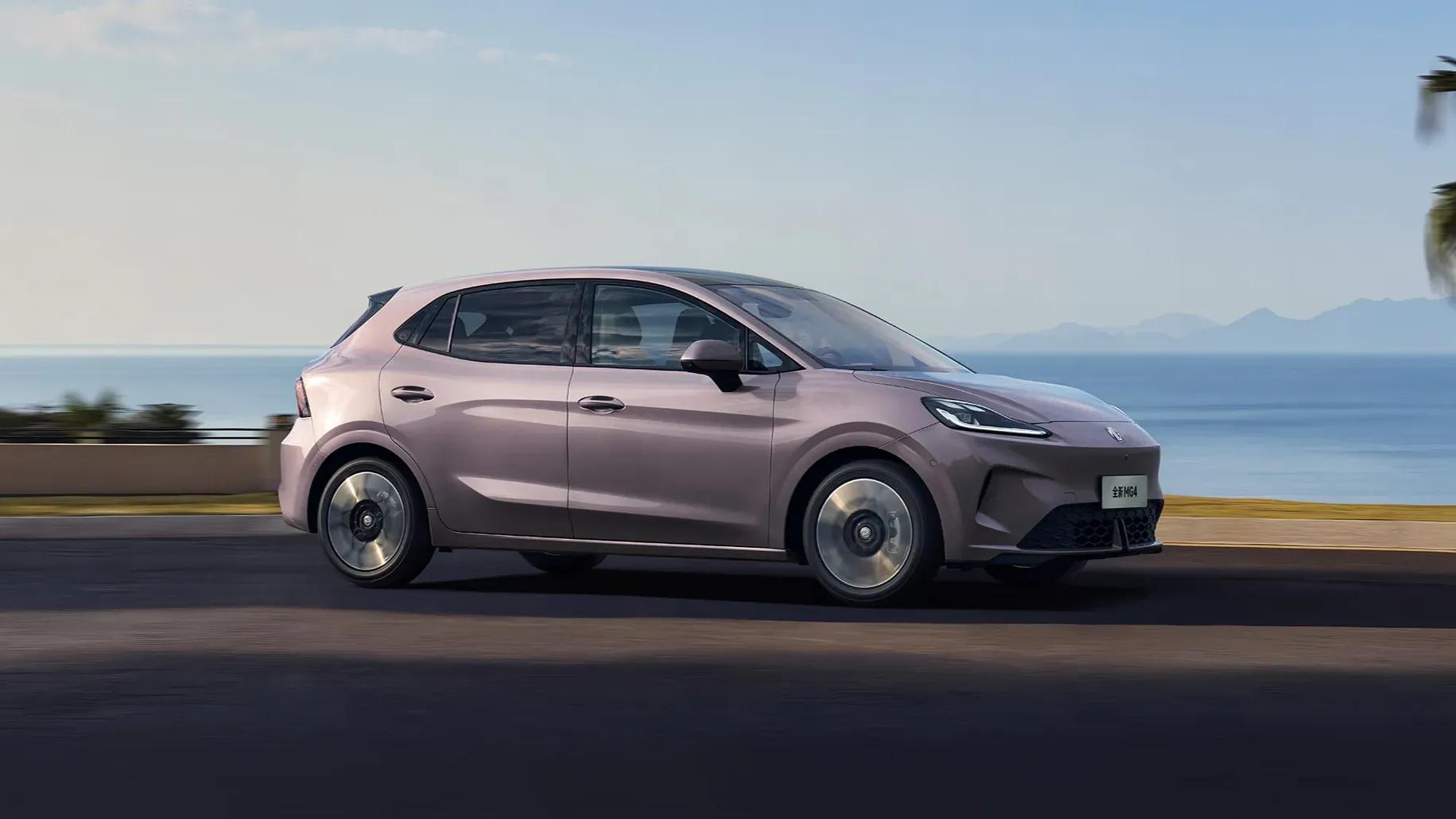
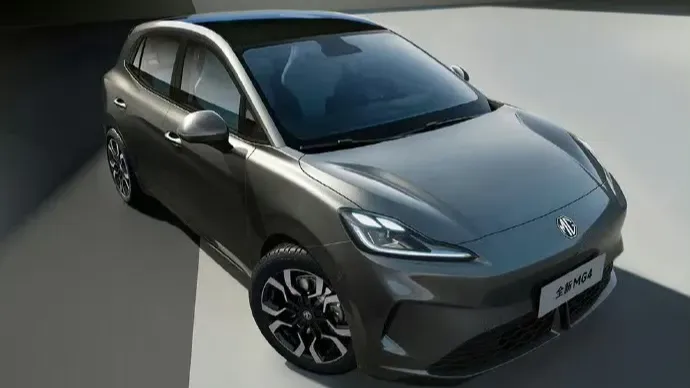
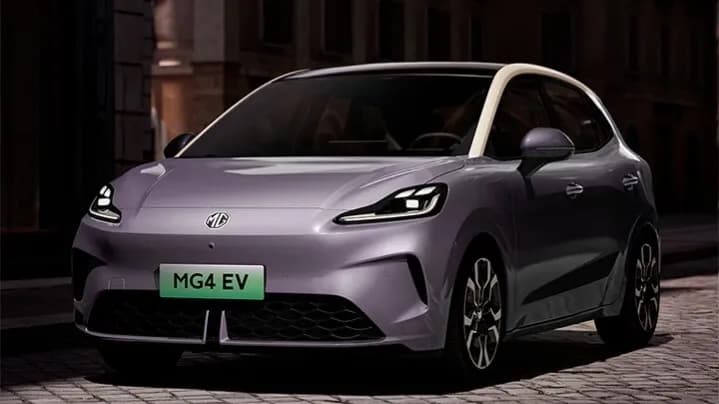
The MG brand, SAIC's global passenger vehicle arm, has led the deployment. The all-new MG4 Anxin Edition — the world's first mass-produced compact electric vehicle equipped with a semi-solid-state battery — began deliveries in China on December 18, 2025, priced from 102,800 CNY (c. $14,900). The battery is supplied by QingTao and uses a manganese-based lithium-ion chemistry with a liquid electrolyte content of just 5%, compared to around 20% in conventional batteries.
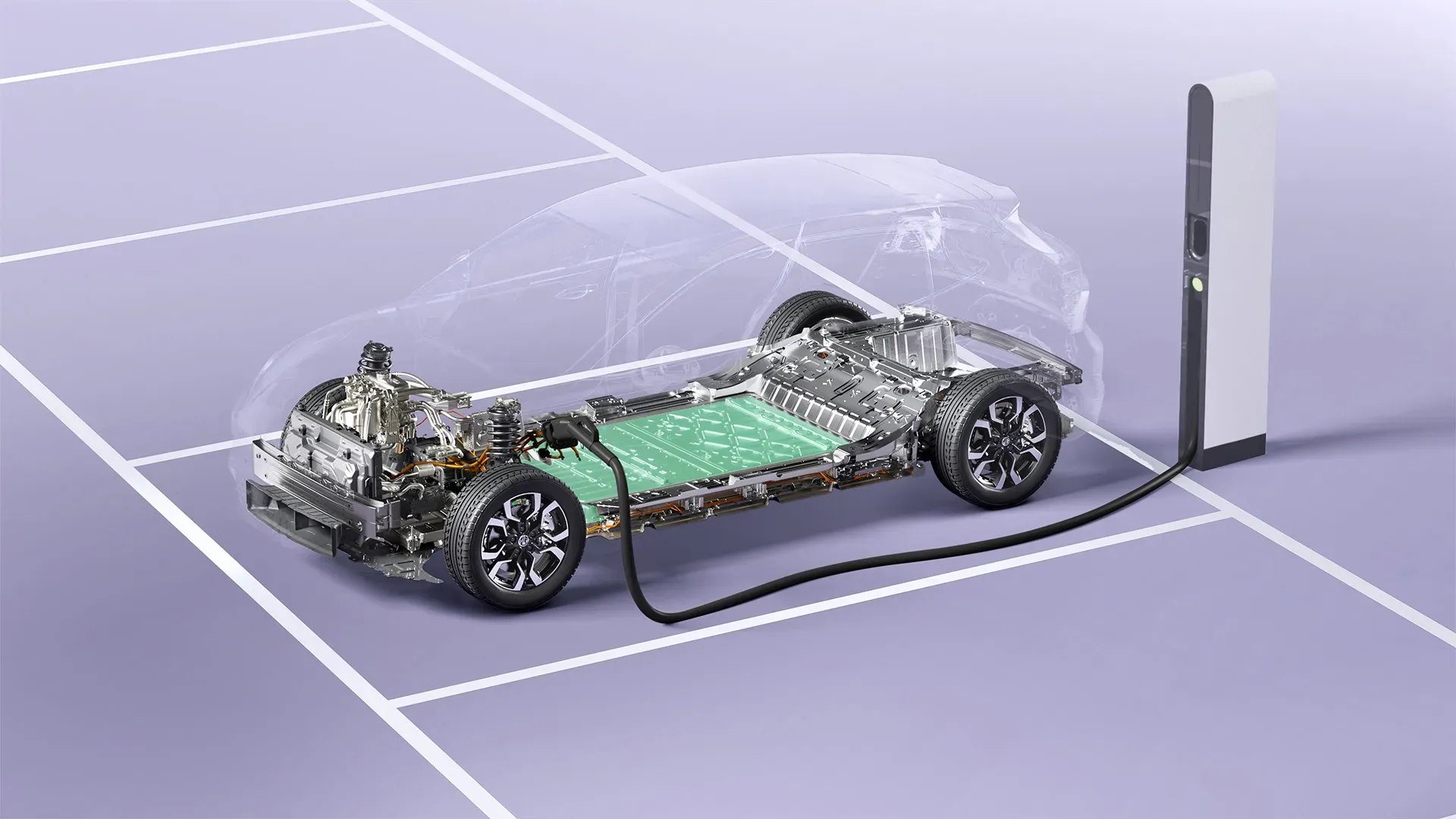
The Anxin Edition's 53.95 kWh pack pairs with a 120 kW permanent-magnet synchronous motor, delivering a CLTC-rated range of 530 km (329 miles) and DC fast-charging from 30% to 80% in around 20 minutes. The reduced liquid content lowers the risk of thermal runaway; SAIC has said the cells passed nail-penetration and 200°C thermal box tests without catching fire or exploding.
Advertisement – Continue scrolling for more
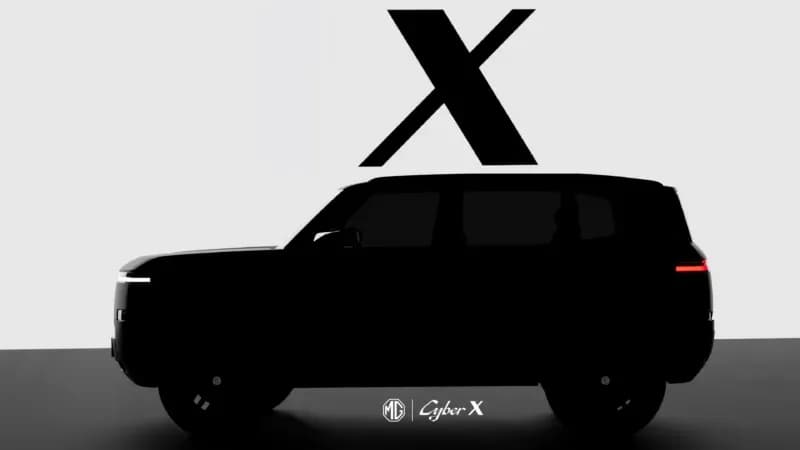
MG is now widening the semi-solid footprint. On March 10, 2026, SAIC unveiled the MG 4X, a compact electric SUV extending the MG4 platform into a higher-riding crossover body. All variants will feature the same 53.95 kWh semi-solid-state battery from the base model upward, with a CLTC range of 510 km (317 miles) and production ramp-up targeted for end of Q2 2026.
Chinese homologation filings also reveal two motor options: a 125 kW (168 hp) unit and a 150 kW (201 hp) variant, with LFP battery options also registered, suggesting multiple chemistry choices depending on market or trim level.
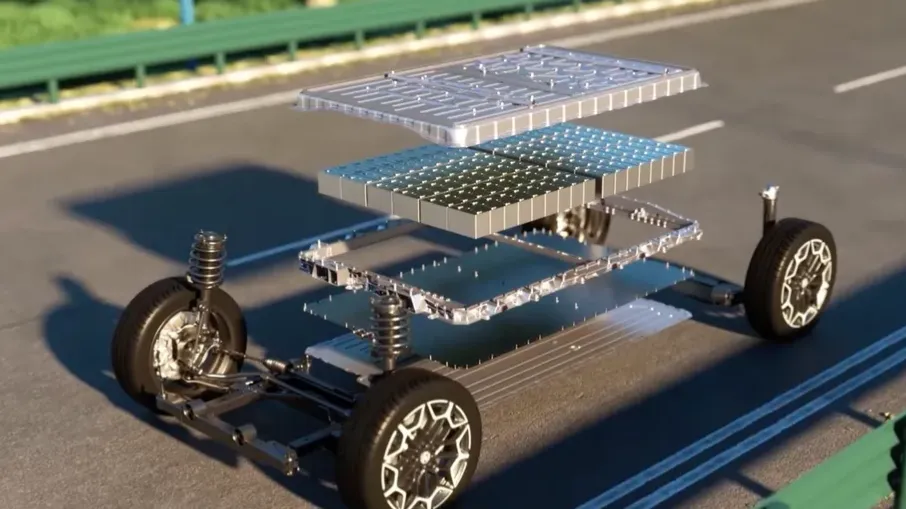
MG MG4 SolidCore battery (MG)
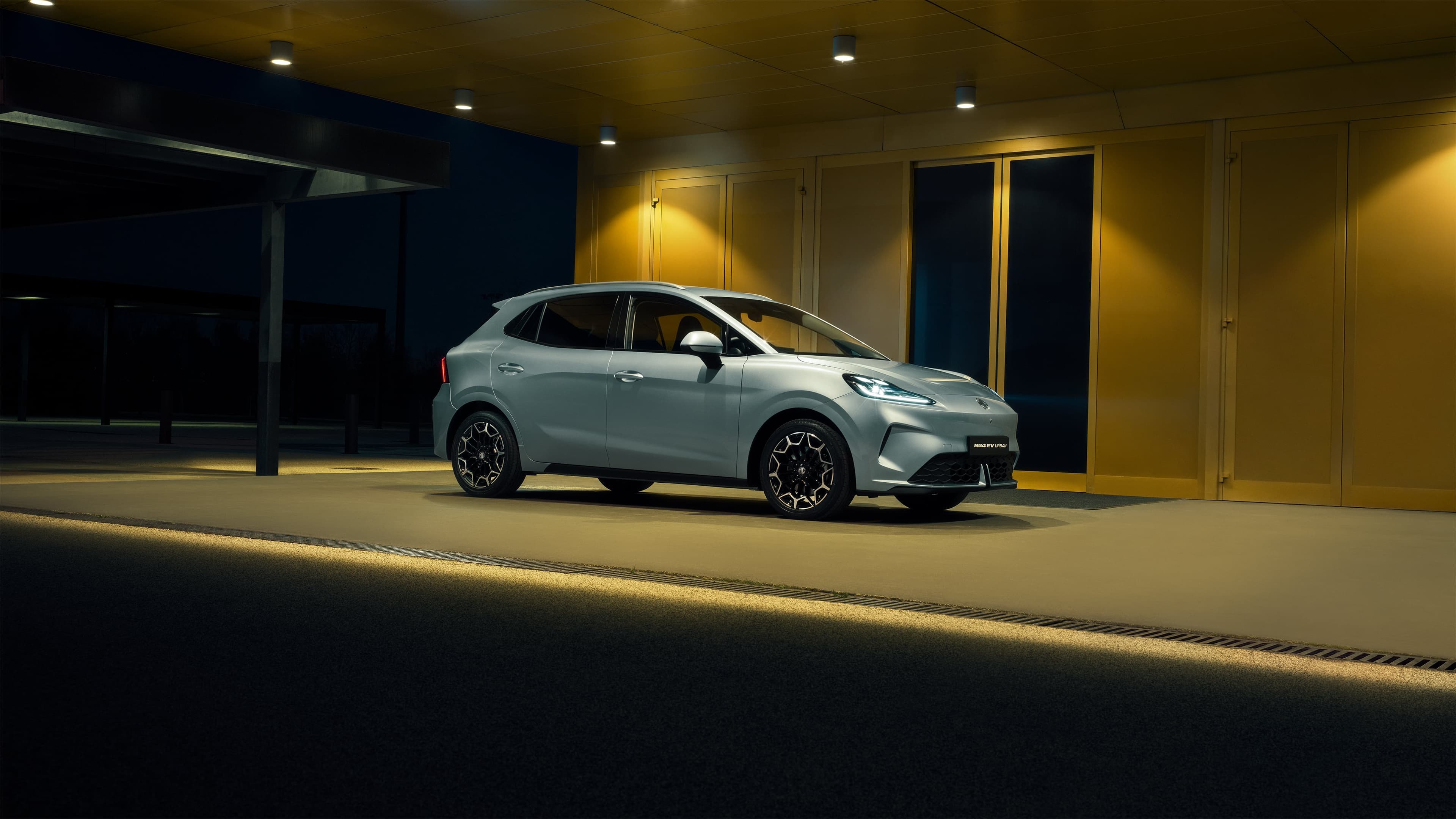
MG's European ambitions are advancing in parallel. The company announced in late March 2026 that its SolidCore battery will come to Europe via the MG4 Urban hatchback before the end of 2026, with UK sales projected to begin in the second half of the year. MG's chief battery scientist Li Zheng told Automotive News Europe that the main challenge in scaling the technology is the supply chain.
The European MG4 Urban's WLTP range is projected at around 400 km (248 miles), with a 10%-to-80% charge time of 21 minutes — seven minutes faster than the LFP-equipped equivalent.
Advertisement – Continue scrolling for more
Beyond MG, the April 3 announcement indicates the semi-solid rollout will extend to other SAIC-owned marques in 2026, with timing left to each brand's own schedule. SAIC's premium EV sub-brand IM Motors had already taken an early step: the IM L6 sedan launched in China in 2024 with a first-generation semi-solid pack from QingTao, branded "Lightyear," offering a 130 kWh capacity and a claimed CLTC range of around 1,000 km (621 miles).
The fully solid-state chapter is next on SAIC's roadmap. QingTao's all-solid-state production line in Anting, Shanghai, completed full-process commissioning in late 2025, with prototype vehicle testing planned for 2026 and commercial mass delivery targeted for 2027.
SAIC has set performance targets for the cell: gravimetric energy density above 400 Wh/kg, volumetric energy density exceeding 820 Wh/L, and single-cell capacity above 75 Ah. Phase-one production capacity at Anting is planned at 0.5 GWh, with a second phase targeting more than 500 Wh/kg.
Advertisement – Continue scrolling for more
The competitive landscape is intensifying. GAC Group has completed China's first large-capacity solid-state cell production line and expects mass output between 2027 and 2030; Chery has unveiled a module with an energy density of 600 Wh/kg targeting pilot vehicle use in 2027; while CATL, the world's largest battery maker, has said solid-state mass production is unlikely before around 2030. China's solid-state battery shipments reached 5.9 GWh in 2025 and are projected to reach 11.9 GWh by 2027.
Whether QingTao can scale from a 0.5 GWh pilot to the volumes that multi-brand deployment requires — within the two-year window SAIC has set — will determine how far ahead of its domestic rivals the group can actually run.
Conversion rate: 1 USD = 6.88 CNY as of April 3, 2026
Advertisement – Continue scrolling for more