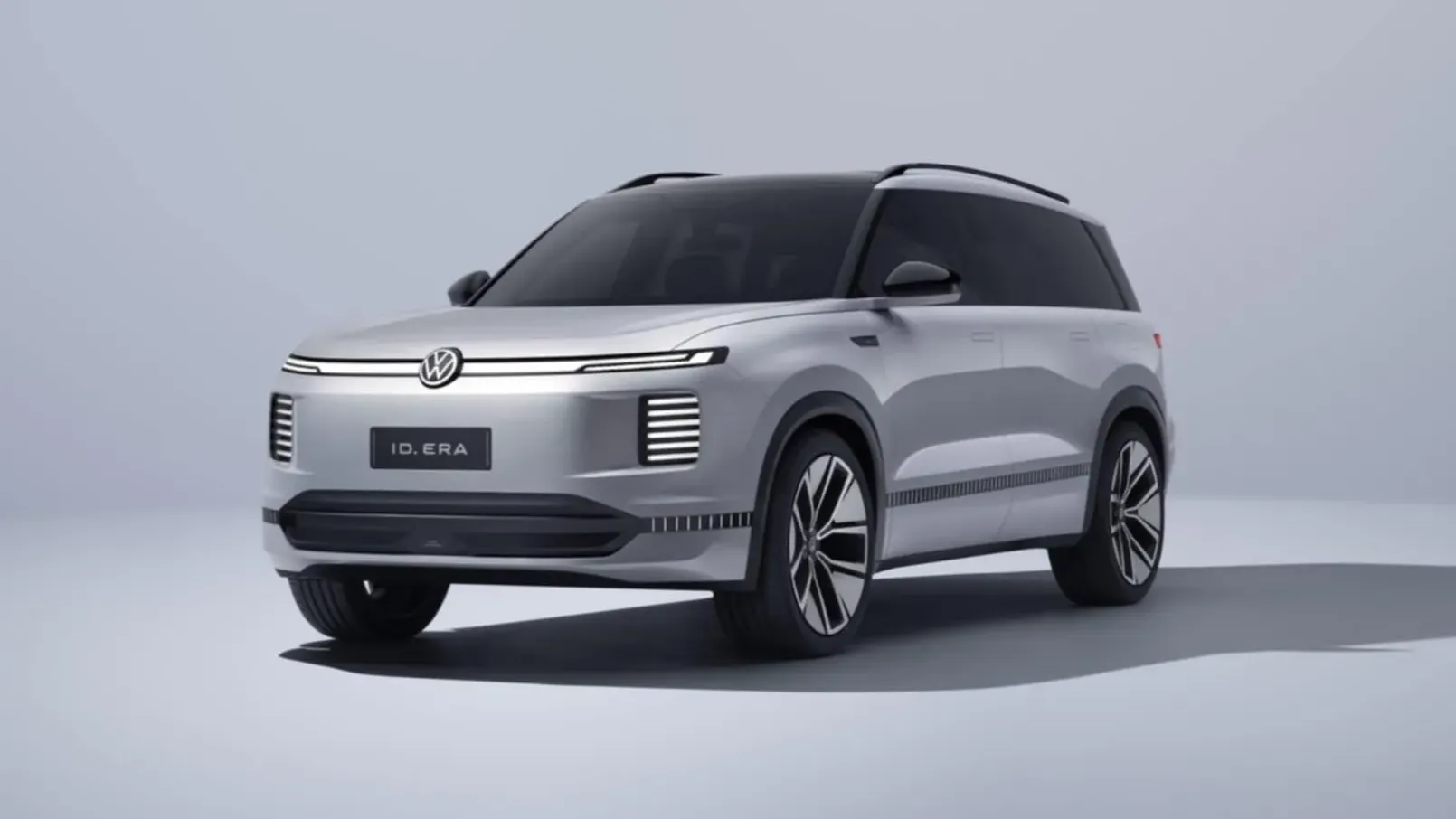
Source: SAIC-Volkswagen
Volkswagen Group is assessing the launch of range-extended electric vehicles in Europe and the United States as governments revise EV incentives and consumers confront charging-infrastructure gaps across major markets. The company has included range-extender capability in planning for its next-generation vehicle platforms and is reviewing whether demand in Western markets warrants commercial deployment.
This reassessment follows reductions in EV support programs in multiple countries and continued concern about charging-network coverage in suburban and rural areas. Volkswagen is studying range-extender systems for several high-volume SUVs and sedans. These evaluations align with the company's broader process of finalizing a new five-year investment plan, with decisions expected after an upcoming supervisory board meeting.
Advertisement – Continue scrolling for more
Range-extended EVs use batteries for propulsion, with a small combustion engine operating strictly as a generator. The design has matured in China, where manufacturers refined generation strategies and battery management to stabilize efficiency. European automakers, including Stellantis and BMW, are evaluating the system as they recalibrate model mixes for the next decade.
Range-extended systems have become common in China, where domestic manufacturers scaled the architecture across segments. In contrast, the technology remains uncommon in Europe and the United States.
Volkswagen stated that any decision to introduce EREVs in these markets will depend entirely on local demand and will not be pursued without a clear commercial rationale. The company has reserved the option for EREVs within its future modular platforms.
Advertisement – Continue scrolling for more
The regulatory environment in Europe is shifting as the European Union revisits its 2035 deadline for ending sales of new internal-combustion-engine vehicles. Slower-than-expected EV penetration prompted policymakers to advance a scheduled review to December 2025.
German Chancellor Friedrich Merz has argued that range-extended drivetrains should remain eligible for sale beyond 2035, reflecting wider debate over transitional technologies as infrastructure and consumer readiness differ by region.
Volkswagen has committed to introducing EREV models in the United States through the Scout brand, which targets the utility and off-road segment. Decisions on whether the Volkswagen and Audi brands will adopt the technology in Western markets remain open. Executives said rollout will depend on market signals, regulatory direction, and the pace of charging-network expansion.
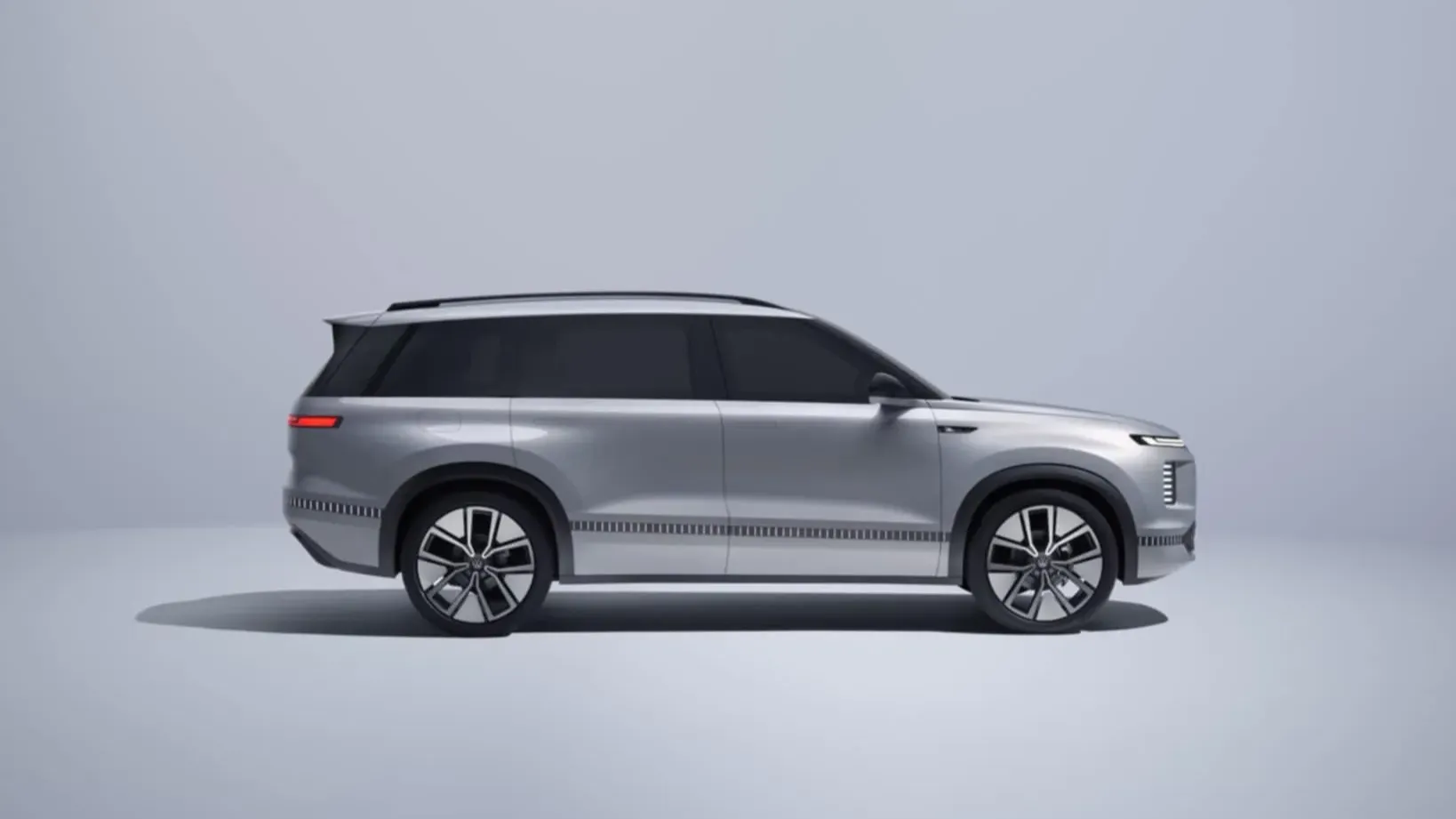
Source: SAIC-Volkswagen
In China, Volkswagen plans to introduce EREVs starting in 2026, starting with the ID.ERA. The announcement followed the debut of the car at the Guangzhou Auto Show in November 2025.
Volkswagen CEO Thomas Schäfer said in May 2025 that EREVs were unlikely to be introduced in Europe in the short term because plug-in hybrids addressed local driving patterns. The company’s ongoing evaluation suggests a shift as European electrification timelines become more flexible and consumer concerns evolve around charging convenience and long-distance capability.
As Volkswagen prepares its next investment cycle, the company faces decisions about how transitional drivetrains can support volume stability in markets where battery-electric adoption is slower than projected. The coming year may determine whether EREVs serve as a bridge technology or remain a limited response to regional infrastructure constraints.
Advertisement – Continue scrolling for more