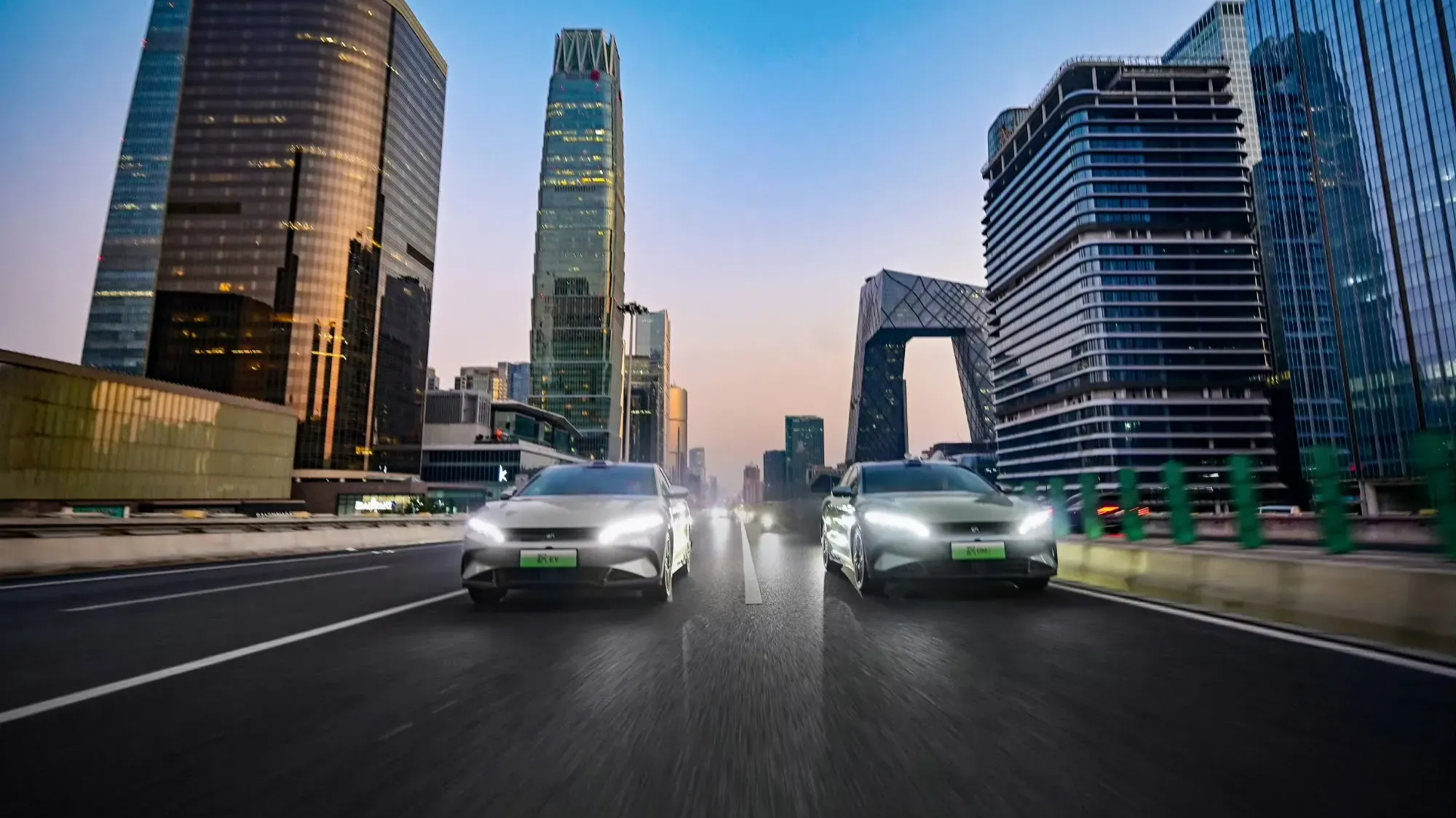
China’s move toward emissions reduction and the planned global phase-out of gasoline vehicles by around 2030 have accelerated development of transitional powertrains in the domestic market, creating clear momentum behind plug-in hybrid (PHEV) and range-extended (EREV) systems.
These architectures emerged as emerging new energy automakers sought a more gradual transition from internal combustion to electric platforms.
Advertisement – Continue scrolling for more
Hybrid systems appeared in volume as early as the expansion of Toyota and Honda’s offerings in China, but the rapid growth of new-energy brands has shifted attention toward electrified models that can operate as pure EVs in specific scenarios.
Domestic manufacturers, including BYD, Geely and Great Wall, have positioned PHEVs as mainstream products, while Li Auto and Huawei-backed models have focused on EREV systems.
Advertisement – Continue scrolling for more
Plug-in Hybrid (PHEV)
PHEVs in China are based on a two-source architecture combining a combustion engine and a sizeable electric battery. Compared with conventional hybrids, PHEVs incorporate larger battery packs and external charging capability.
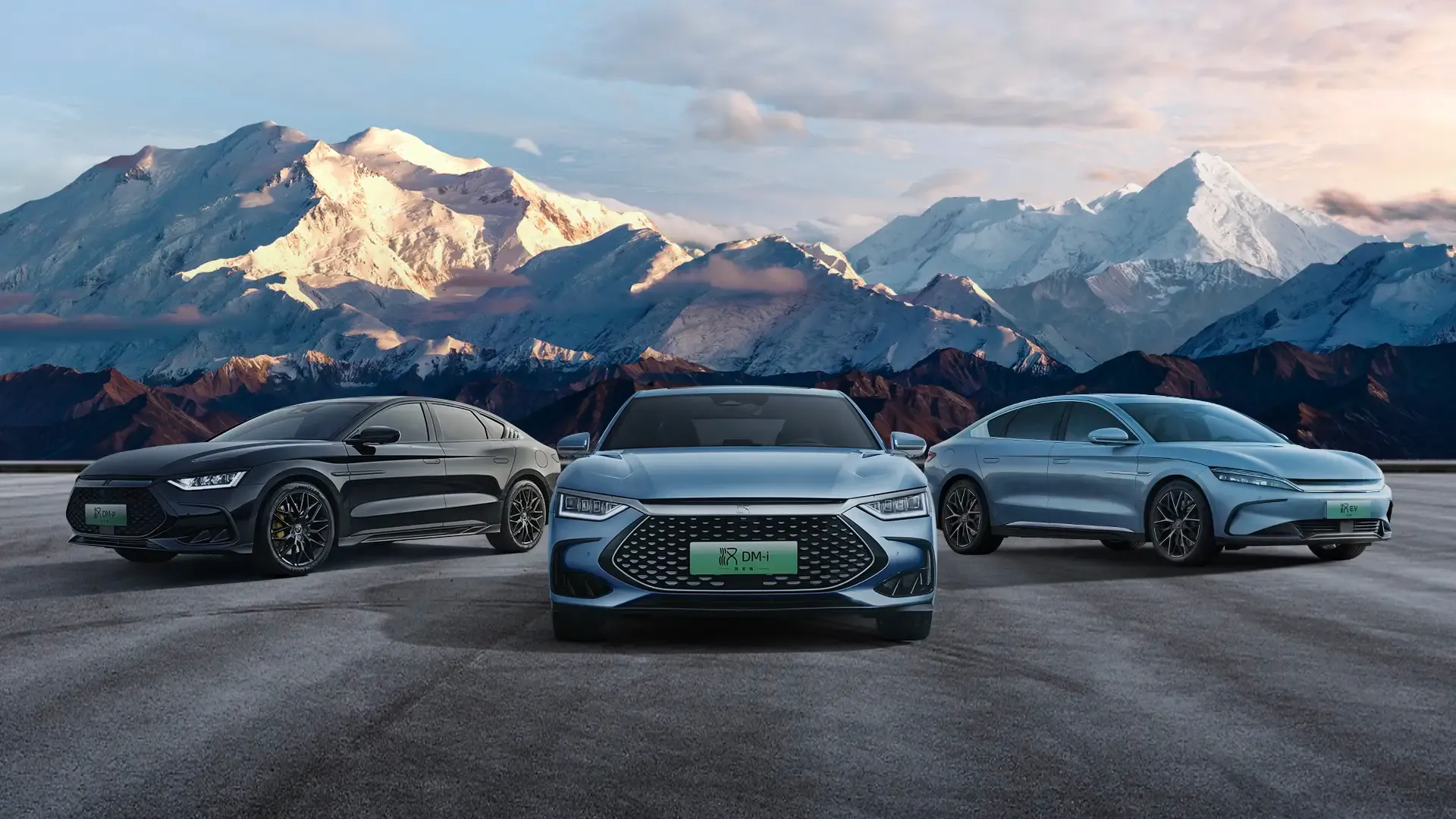
Source: BYD
When fully charged, the system enables electric-only driving across typical city-commute distances, allowing short-range urban operation without fuel consumption. When the battery depletes, the combustion engine supports longer routes, enabling vehicles to function similarly to fuel models for intercity travel.
This approach effectively merges the characteristics of battery-electric vehicles and hybrid electric vehicles, providing both zero-emission operation and extended driving ability.
Advertisement – Continue scrolling for more
Extended-Range (EREV)
The EREV system, adopted by the likes of Li Auto and Huawei’s AITO, follows a different mechanical logic. EREVs rely exclusively on the electric motor to drive the wheels.
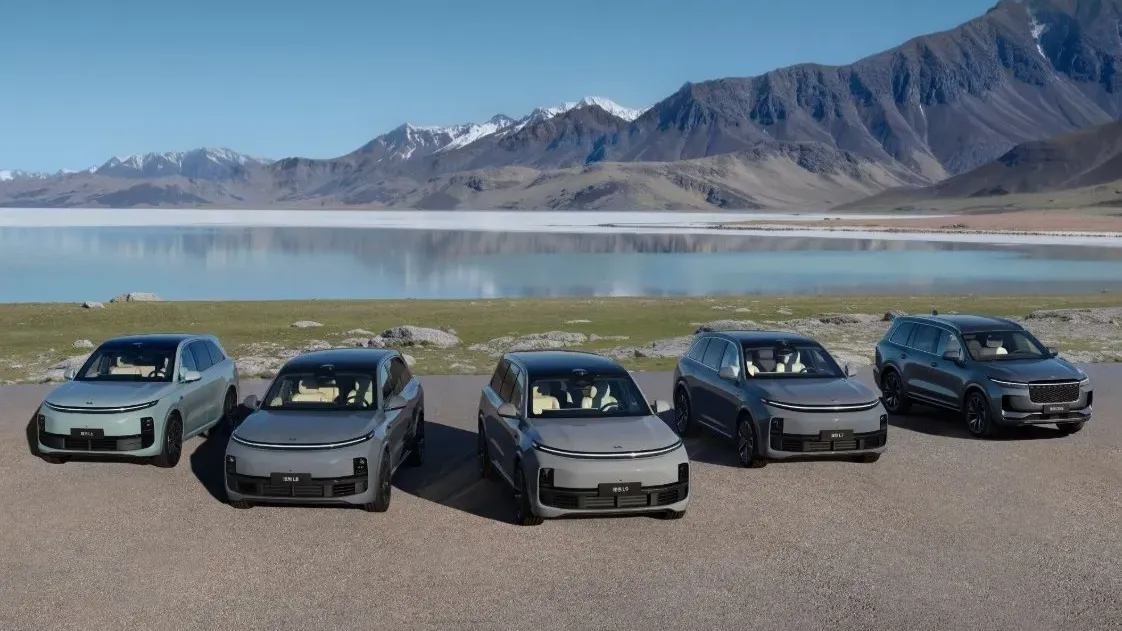
Source: Li Auto
The combustion engine does not directly power the drivetrain; instead, it functions as a generator, supplying electricity to recharge the battery when state-of-charge levels fall. In practice, this makes the combustion engine a power source for electricity only, positioning the vehicle as a battery-electric model equipped with an onboard charging unit.
This structure reduces range anxiety and enables long-distance travel without relying on high-power charging networks.
Advertisement – Continue scrolling for more
Powertrain trade-offs
The two powertrains respond to similar consumer concerns but differ in hardware complexity and use-case optimization. PHEVs prioritize power-split flexibility and battery-dominant usage in congested urban environments.
Because they qualify as new-energy vehicles under domestic policy, they receive green plates and associated incentives, while offering electric-driving capability that improves efficiency in stop-and-go traffic.
However, the system requires frequent external charging to retain cost advantages, and limited electric-only range may constrain the user’s ability to remain in EV mode.
Advertisement – Continue scrolling for more
EREVs emphasize consistent electric-motor drivability, giving vehicles the smooth torque delivery associated with fully electric platforms. The architecture mitigates range concerns by allowing the generator to refuel quickly at gasoline stations, eliminating dependency on charging conditions on long-distance routes.
The system’s disadvantages emerge on sustained highway travel, where continual energy conversion from gasoline to electricity lowers overall efficiency. Despite this, EREVs also qualify for green plates and subsidies under China’s new-energy regulations.
The divergence in manufacturer strategies reflects these distinctions. BYD and other large domestic OEMs have scaled PHEV production across multiple segments, reinforcing PHEVs as the country’s mainstream transitional architecture.
Advertisement – Continue scrolling for more
Li Auto has committed to EREVs in order to deliver electric-only driving characteristics with minimal charging constraints, targeting families that prefer long-range flexibility. Meanwhile, the AITO brand from Huawei, among many other NEV brands, adopted extended-range powertrains in response to the overwhelming popularity of Li Auto's L-series SUVs.
As China advances toward broader electrification, PHEV and EREV offerings will remain central to electrification. The question is whether consumer demand will ever fully shift toward all-electric powertrains.
Advertisement – Continue scrolling for more