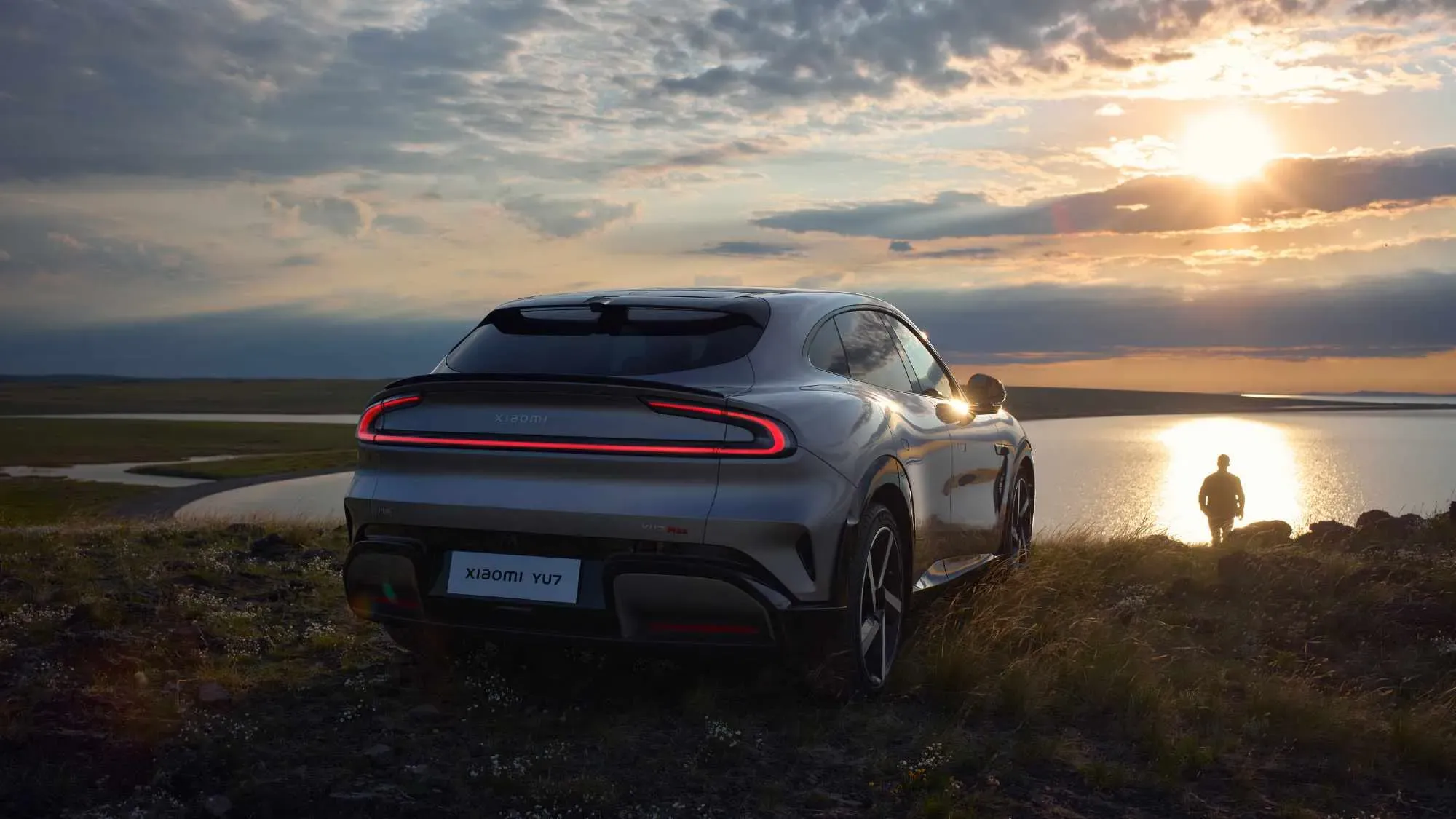
Xiaomi YU7 significantly outsold Tesla Model Y in January with 37,869 deliveries
Source: Xiaomi
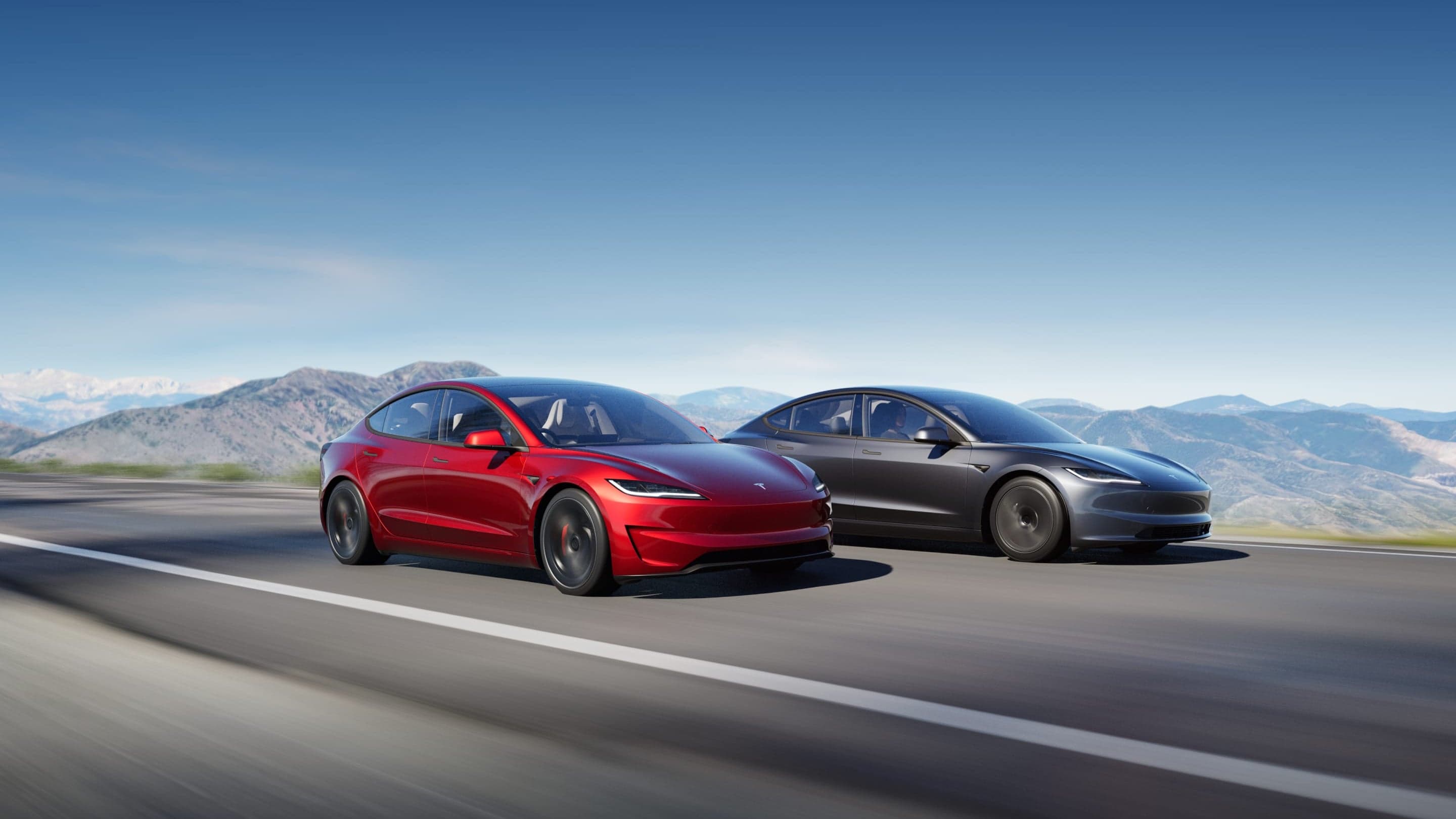
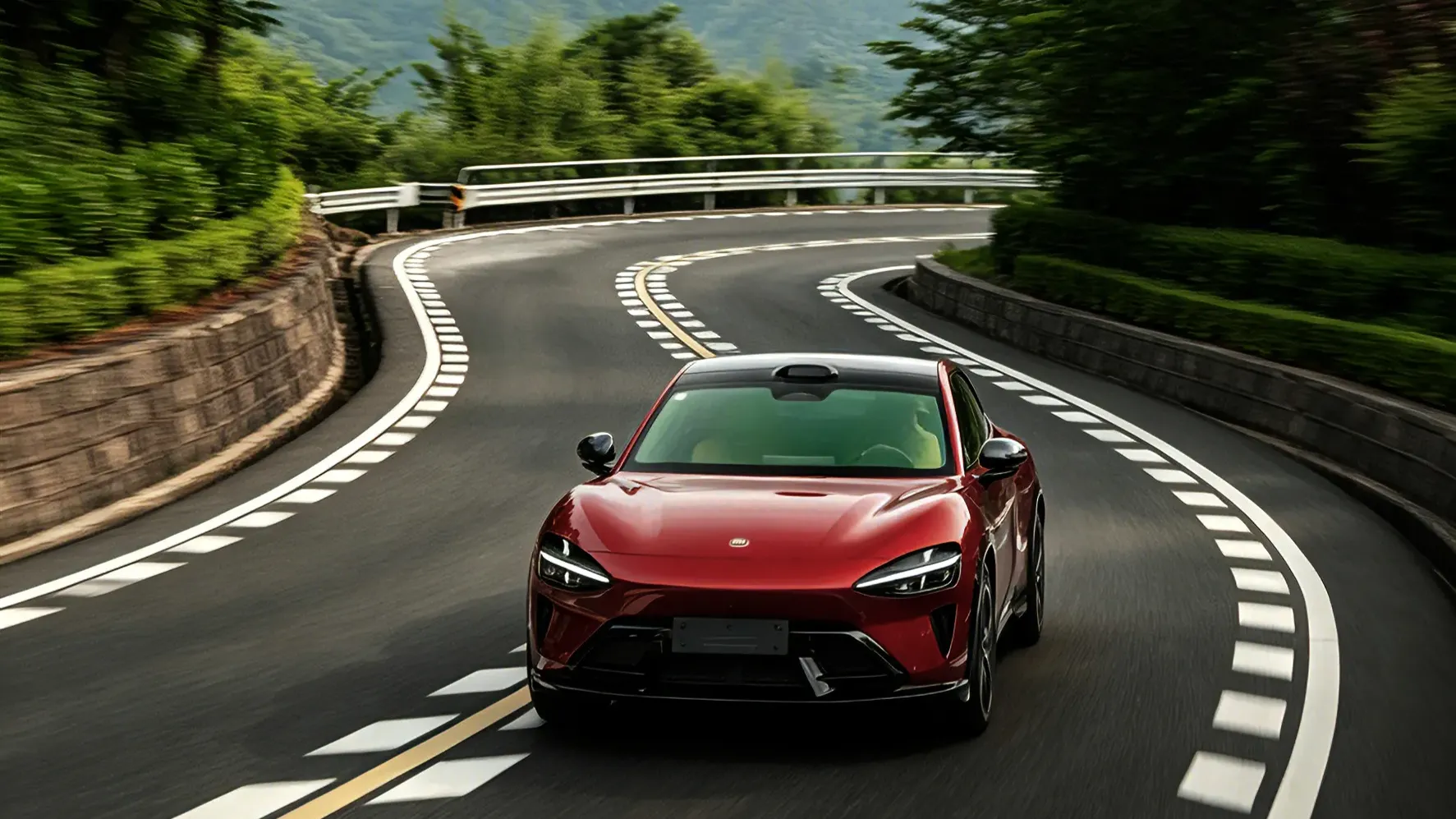
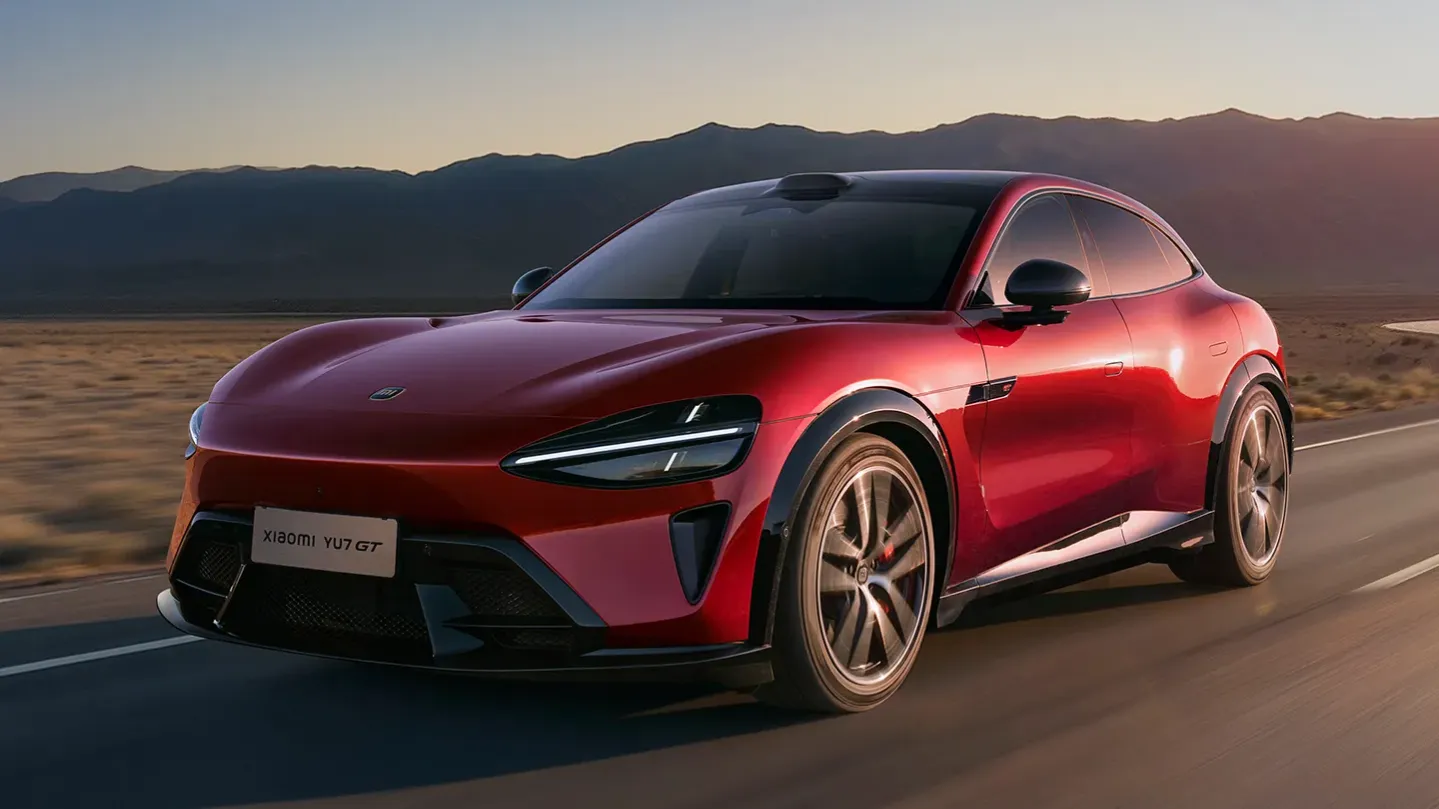
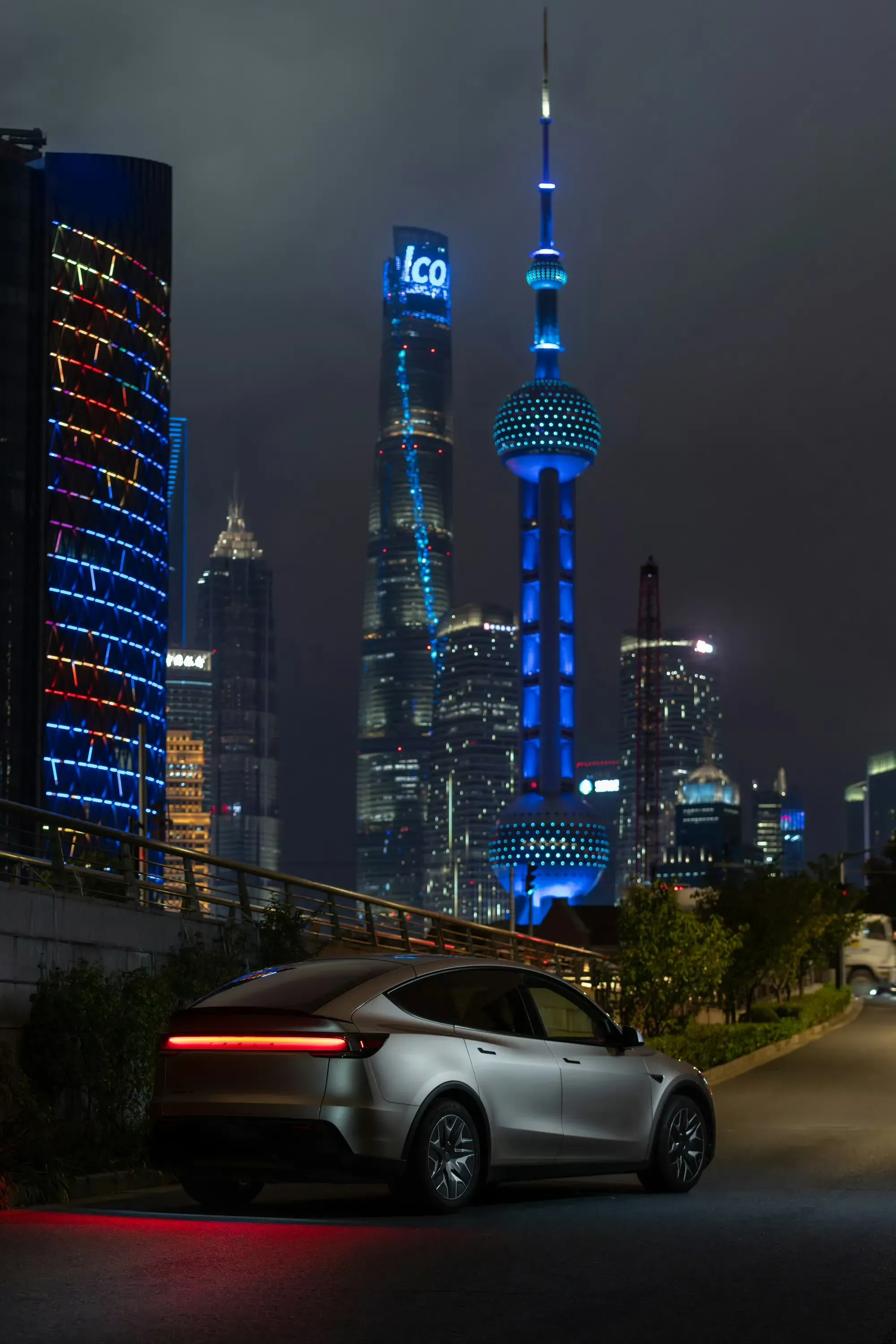
Xiaomi’s YU7 was China’s best-selling passenger vehicle in January 2026, overtaking Tesla’s Model Y and signaling a potential shift in the world’s largest electric vehicle market. The SUV sold 37,869 units during the month, while Tesla’s Model Y delivered approximately 16,845 units, marking a steep month-over-month decline for the U.S. automaker.
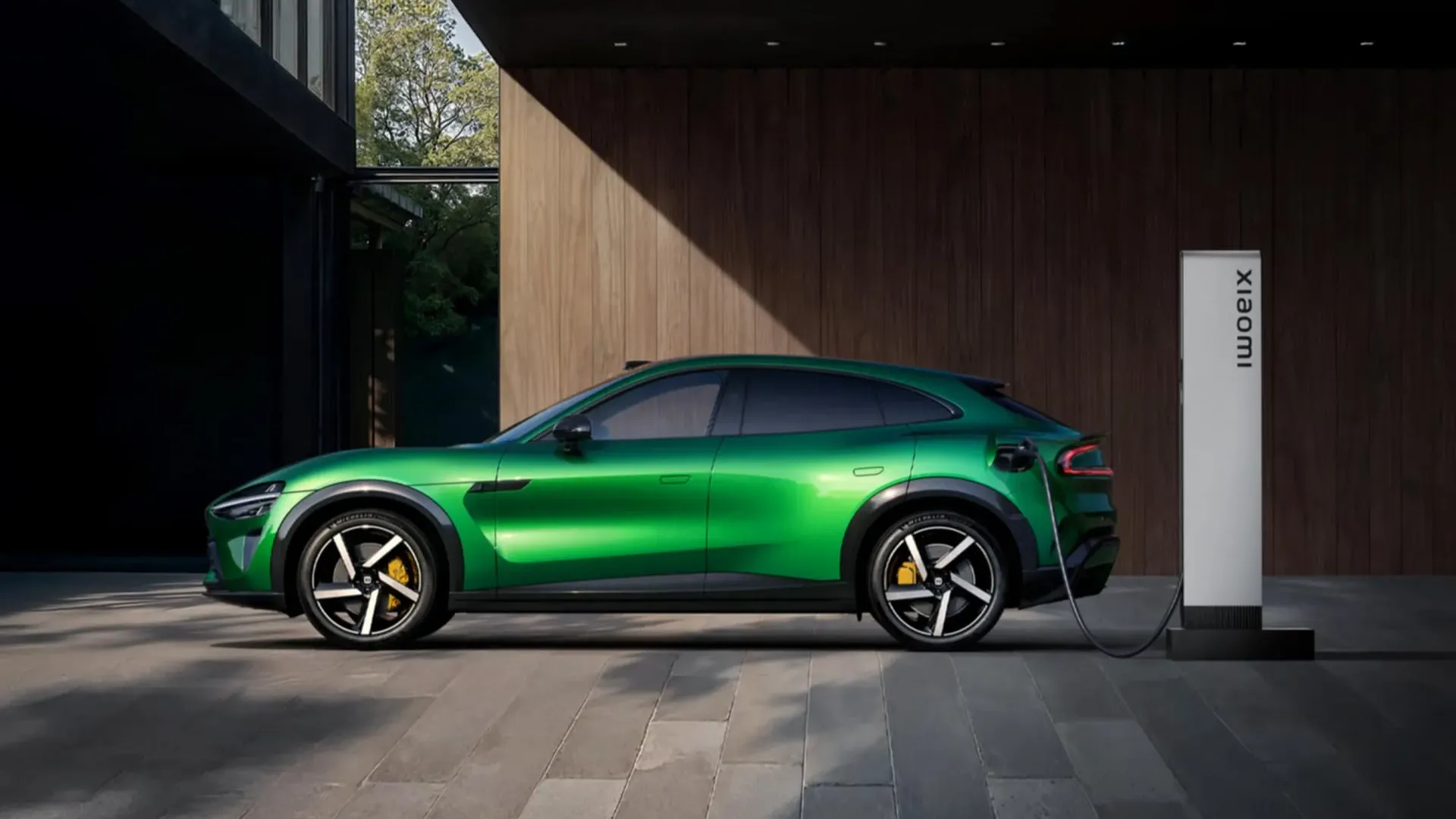
The January figures represent the first full calendar year in which Xiaomi’s SUV lineup directly competes against Tesla at scale. Xiaomi launched the YU7 on October 18, 2025, positioning it as a mid-to-large intelligent family SUV priced from 253,500 CNY to 329,900 CNY (approximately $36,700 to $47,800).
Advertisement – Continue scrolling for more
The YU7’s pricing places it squarely in the same segment as the Tesla Model Y, which has long dominated China’s premium electric crossover category. Tesla briefly led the overall market as recently as December 2025, when the Model Y sold 65,874 units and ranked first in China. However, Tesla’s January performance dropped by roughly 74% month-over-month, pushing it to around 20th place in China’s overall passenger vehicle rankings.
Source: Tesla
Part of Tesla’s volatility stems from its export-driven production cadence. The company prioritizes exports from its Shanghai factory early in each quarter, with domestic deliveries peaking toward quarter-end. Even accounting for this pattern, Xiaomi’s ability to maintain nearly 38,000 monthly deliveries places it on a competitive footing with Tesla’s domestic volumes.
Xiaomi delivered more than 39,000 vehicles in January, with the YU7 accounting for the vast majority. As of early February 2026, Xiaomi’s cumulative vehicle deliveries had approached 600,000 units. The company delivered more than 410,000 vehicles in 2025, exceeding its original target of 300,000 units, and has set a 2026 delivery goal of 550,000 vehicles.
Advertisement – Continue scrolling for more
Xiaomi stores remained open throughout the Chinese New Year holiday, with limited YU7 inventory available and some buyers able to take delivery on the same day they placed orders. Immediate delivery availability has historically been a key driver of EV sales in China’s competitive market, where waiting periods often influence purchasing decisions.
Beyond volume, the YU7’s market positioning reflects China’s accelerating transition toward fully electric vehicles. Competing SUVs, including Huawei-backed AITO M7, sold 26,454 units in January, with its pure electric version outselling its extended-range hybrid variant for the first time. This trend toward full battery-electric adoption strengthens the YU7’s positioning as a fully electric offering.
Source: Xiaomi
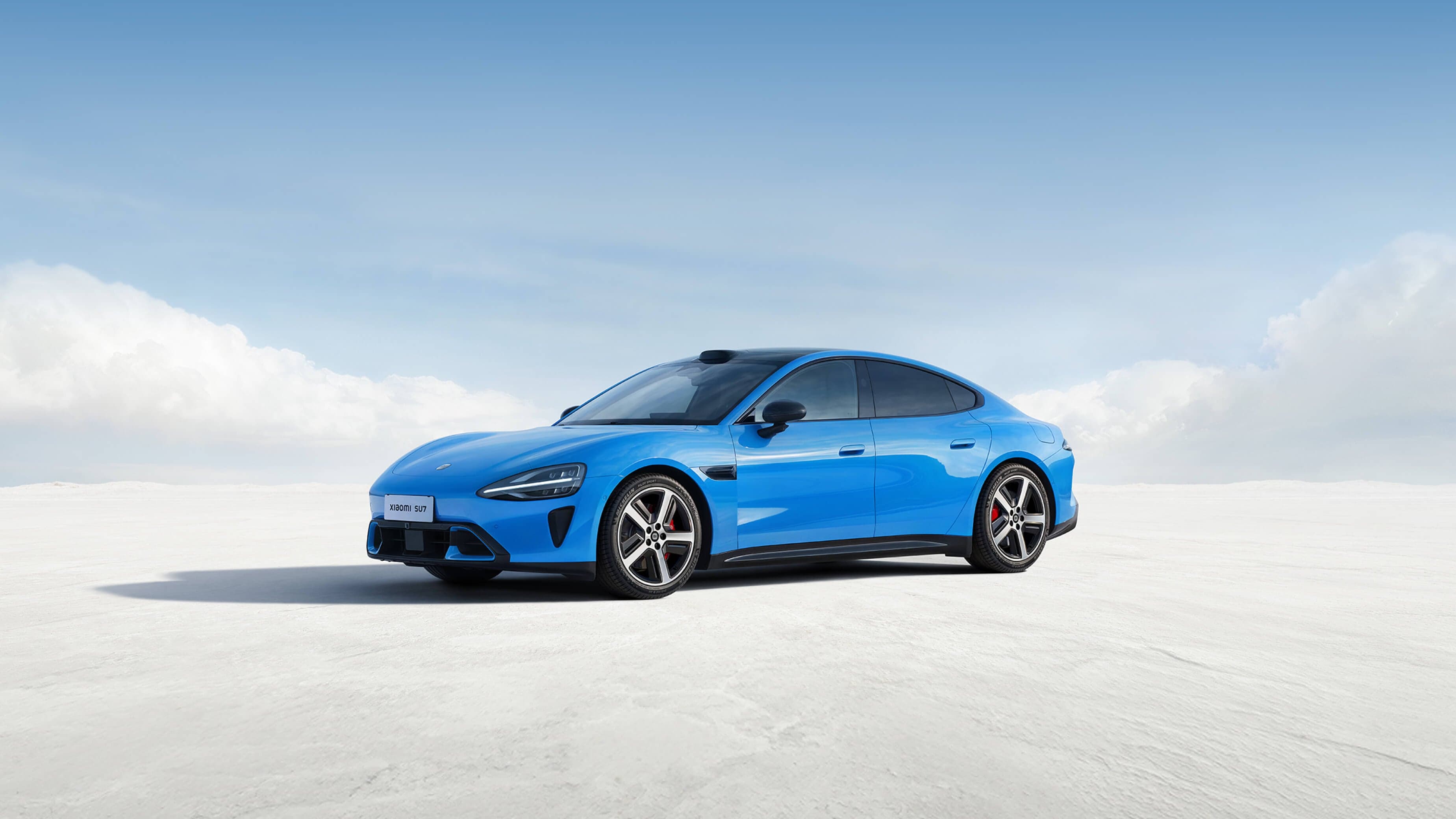
The YU7 also benefits from Xiaomi’s broader ecosystem integration strategy. The company entered the automotive sector following the success of its SU7 sedan, which began deliveries in April 2024 and reached cumulative deliveries exceeding 380,000 units by February 2026.
Xiaomi has since discontinued the original SU7 generation, shifting production capacity toward newer models including the YU7 and the upcoming next-generation SU7 sedan, expected to launch in April 2026.
Market dynamics in early 2026 further favored Xiaomi’s rise. China’s auto market slowed in January due to the expiration of purchase tax incentives and seasonal demand fluctuations tied to the Lunar New Year. New energy vehicle penetration fell from 59.1% in December 2025 to 35.5% between January 1 and January 11, reflecting reduced short-term demand across the sector.
Advertisement – Continue scrolling for more
Despite the slowdown, Xiaomi’s YU7 experienced only a modest decline from its December sales of 39,089 units. In contrast, several competing models saw significantly larger drops, including Tesla’s Model Y and multiple BYD models fell off from the top ten passenger vehicle sales.
The competitive landscape increasingly reflects domestic manufacturers’ strength in China’s EV sector. Chinese brands including Xiaomi, Geely, and AITO dominated January’s top sales rankings, while foreign joint-venture brands maintained stronger positions primarily in gasoline-powered SUVs.
Tesla has responded by introducing financial incentives such as seven-year low-interest financing plans in China to stimulate demand. However, early results have yet to reverse its declining monthly sales trend.
Advertisement – Continue scrolling for more