Source: Lotus
Canada’s decision to sharply reduce tariffs on China-made electric vehicles has positioned Lotus as the first manufacturer to restart high-end EV deliveries under the new policy, with customer handovers expected as early as March 2026.
The policy change follows a bilateral agreement reached in mid-January 2026, under which Canada will allow annual imports of up to 49,000 vehicles from China at a 6.1% most-favored-nation (MFN) tariff rate, down from a combined 106.1% previously applied to China-made EVs. The quota may rise to 70,000 units within five years. In exchange, China agreed to lower tariffs on selected Canadian agricultural products, including canola.
Advertisement – Continue scrolling for more
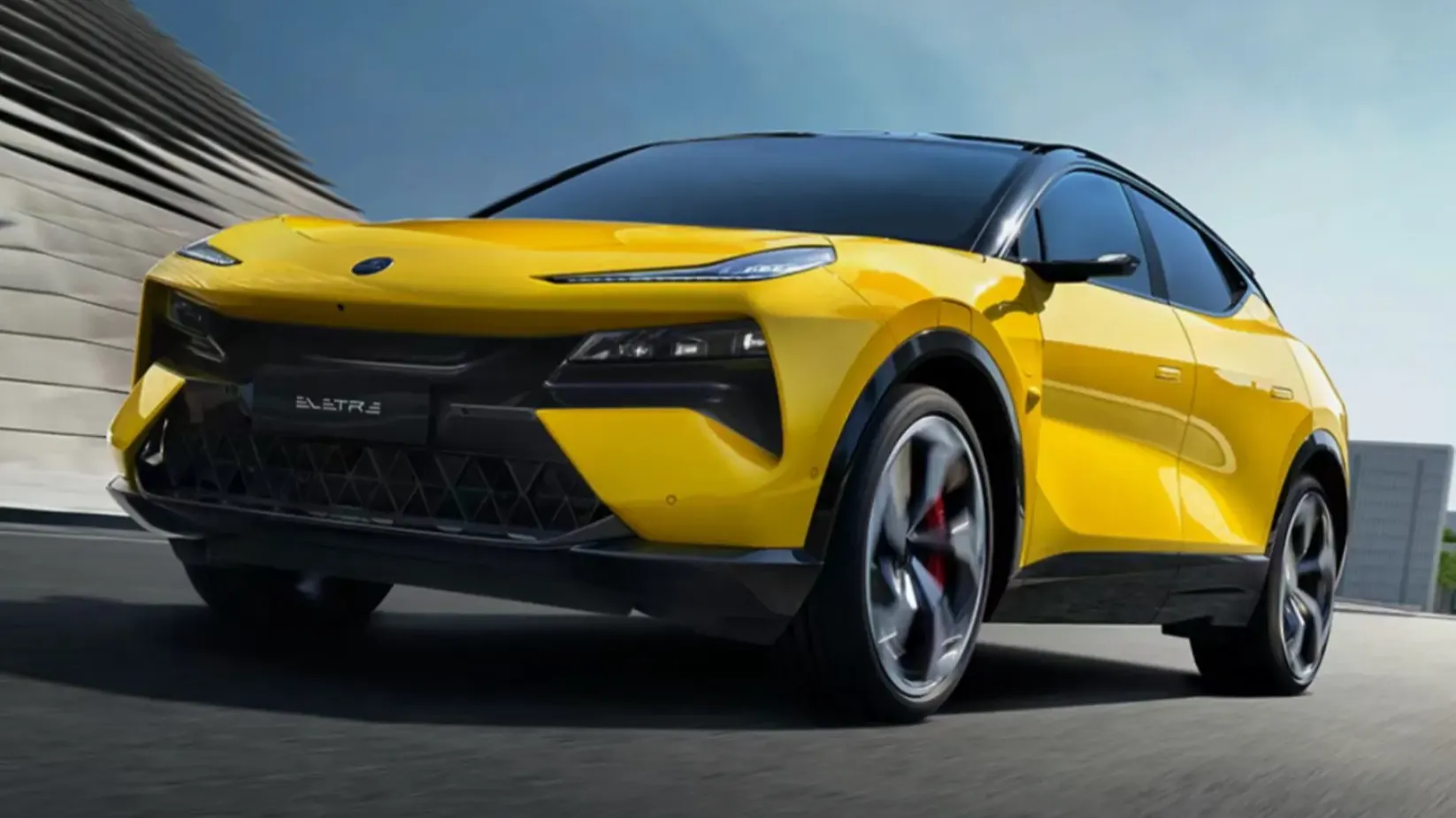
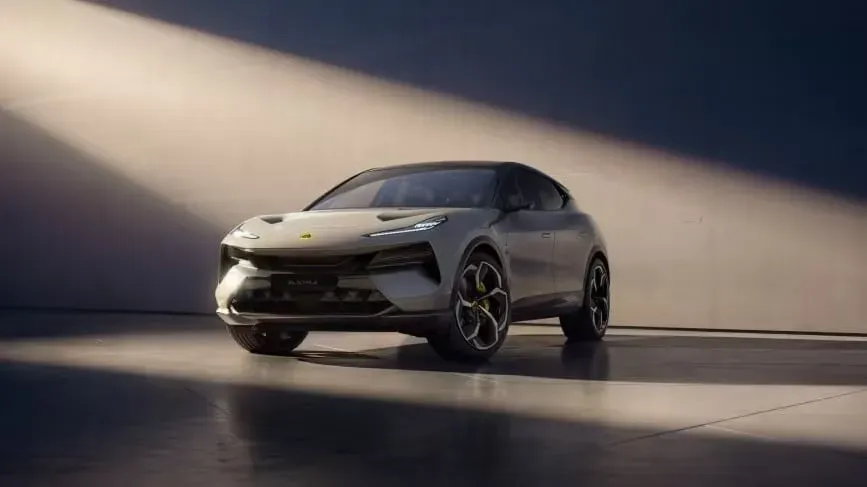
For Lotus, the change directly reopens a supply route for the Eletre electric SUV, which is assembled at the company’s Wuhan factory. Lotus said on January 17, 2026 that the removal of the 100% additional tariff would materially improve the Eletre’s competitiveness in Canada and allow deliveries to resume after a delay driven by trade policy rather than regulatory readiness.
Lotus Chief Executive Officer Feng Qingfeng said the Eletre had already completed U.S. regulatory certification in 2023, including safety and compliance processes compatible with Canadian standards. Entry into North America was postponed at the time due to tariff conditions. With the revised Canadian import framework in place, Lotus has received customer orders and plans to begin deliveries in March.
Source: Lotus
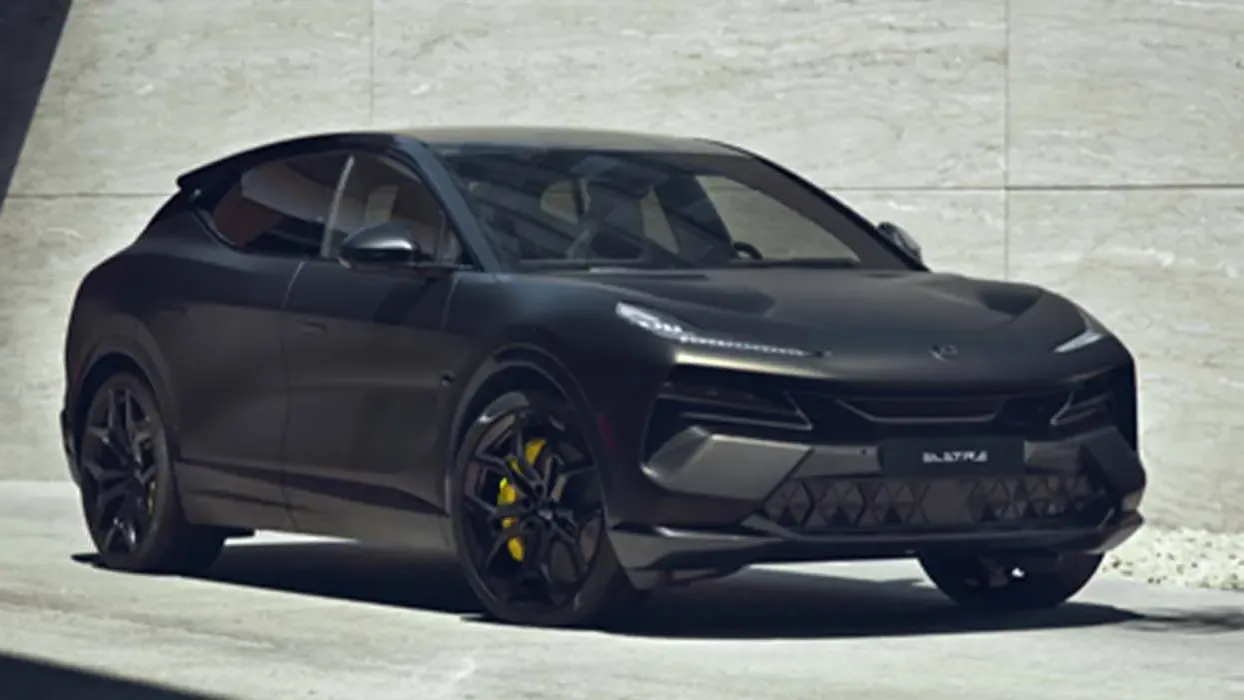
The Eletre is currently priced above USD 80,000 (c. CAD 109,600) in America, placing it firmly in the premium electric SUV segment. However, the Lotus Eletre Carbon is the only available trim in Canada, priced at CAD 313,500. In China, the 2026 Eletre starts at 558,000 CNY (c. CAD 109,800).
Lotus said the revised tariff structure would reduce the vehicle’s Canadian retail price by around 50%, although it did not disclose updated transaction prices. The model is currently the only China-manufactured EV to enter the North American market in the USD 80,000-plus price bracket.
Advertisement – Continue scrolling for more
Canada’s move stands out within North America, where the United States continues to impose combined tariffs of up to 125% on China-made EVs. Those barriers include a 25% base tariff and a 100% additional duty, alongside further punitive measures targeting Chinese supply chains introduced in 2025. Against that backdrop, Canada’s quota-based approach offers a limited but functional channel for market entry.
Source: Lotus
While Tesla could also benefit from the policy shift, given its prior exports from Shanghai to Canada, China-built Tesla vehicles might still require renewed certification for import. Lotus enters the window with completed certification and an established retail footprint.
Advertisement – Continue scrolling for more
Lotus currently operates six authorized dealerships across Canada. These outlets provide integrated sales, aftersales service, and parts supply, supporting both the Eletre and UK-built internal combustion models such as the Emira. The dual powertrain presence allows Lotus to maintain brand continuity while expanding its electric offering.
Canada recorded approximately 1.9 million new vehicle sales in the past year, dominated by mass-market brands and pickup trucks. The 49,000-unit quota therefore represents a strategic opening rather than a volume-driven opportunity, particularly as half of the allocation is reserved for vehicles priced below CAD 35,000.
Conversion rate: 1 USD = 1.370 CAD
Advertisement – Continue scrolling for more