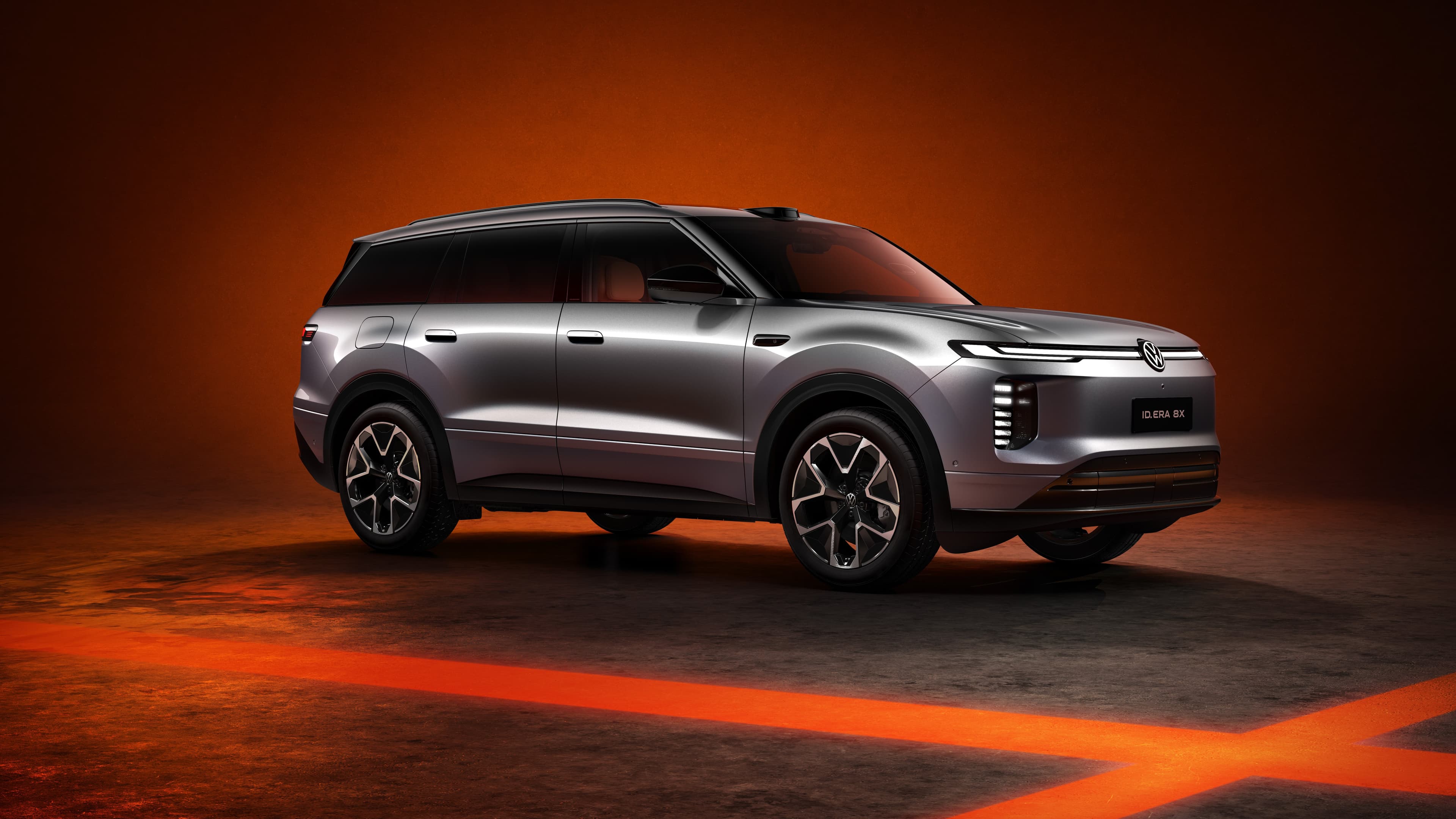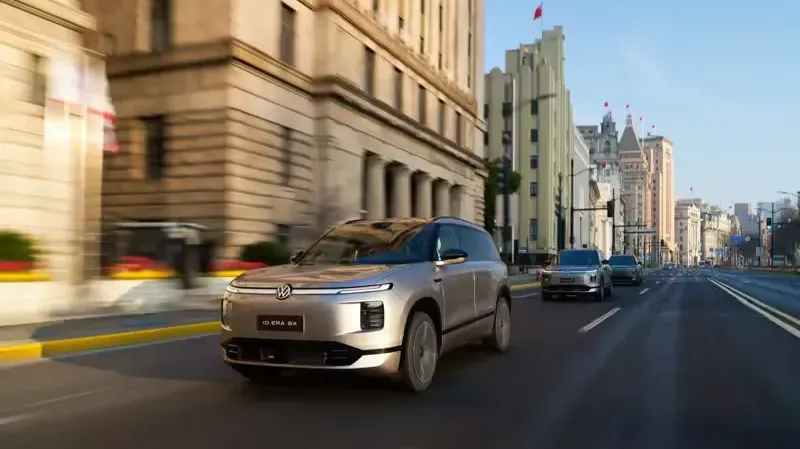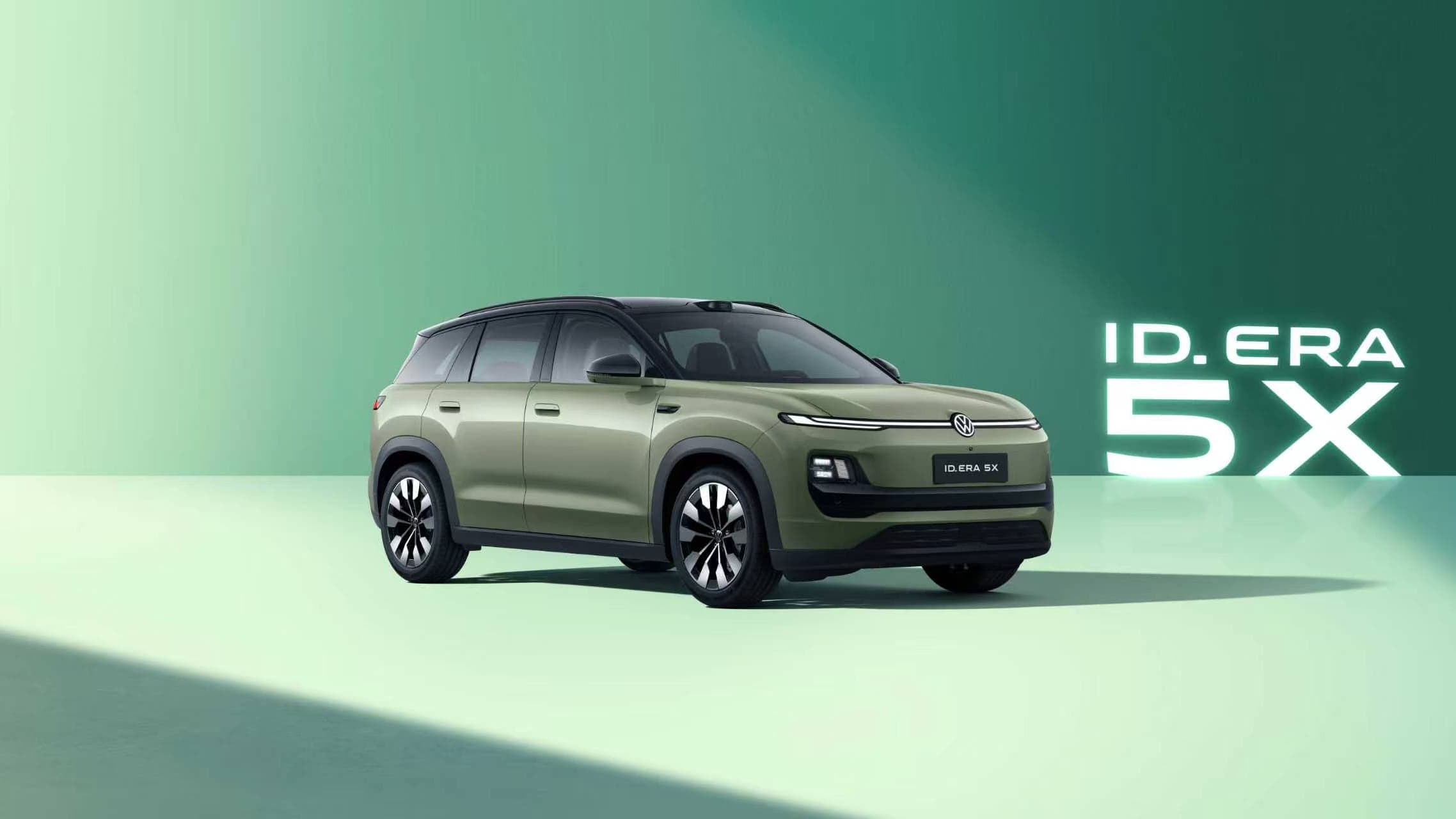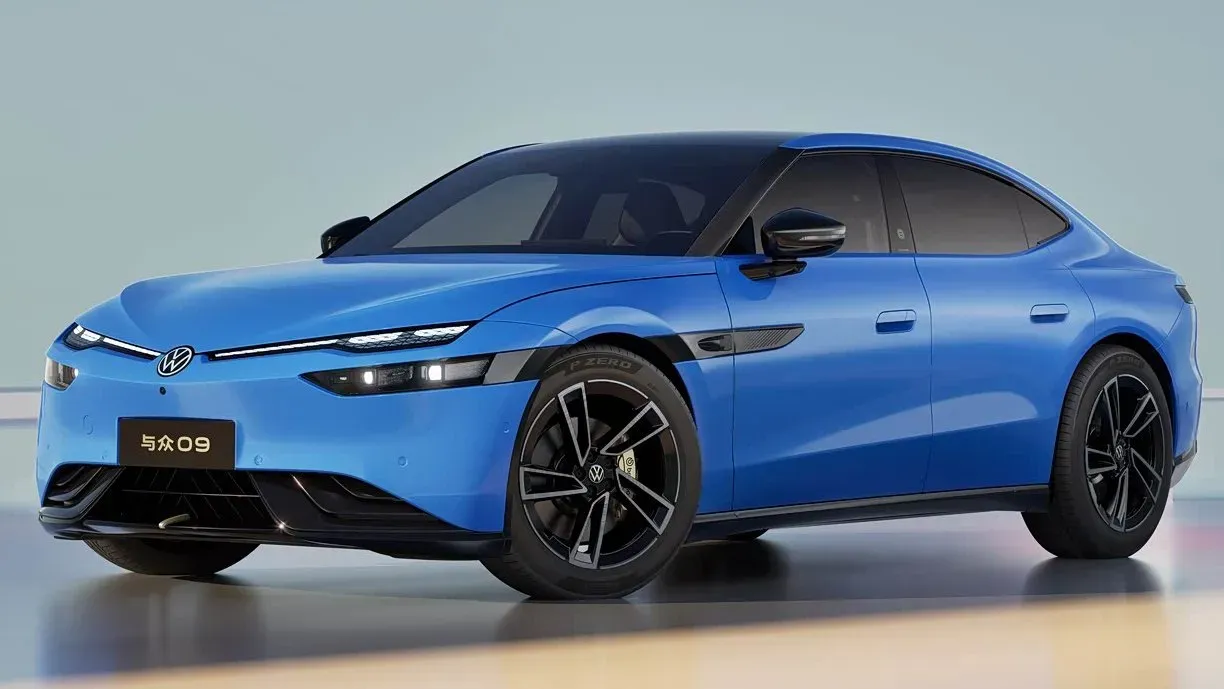
Source: SAIC-Volkswagen
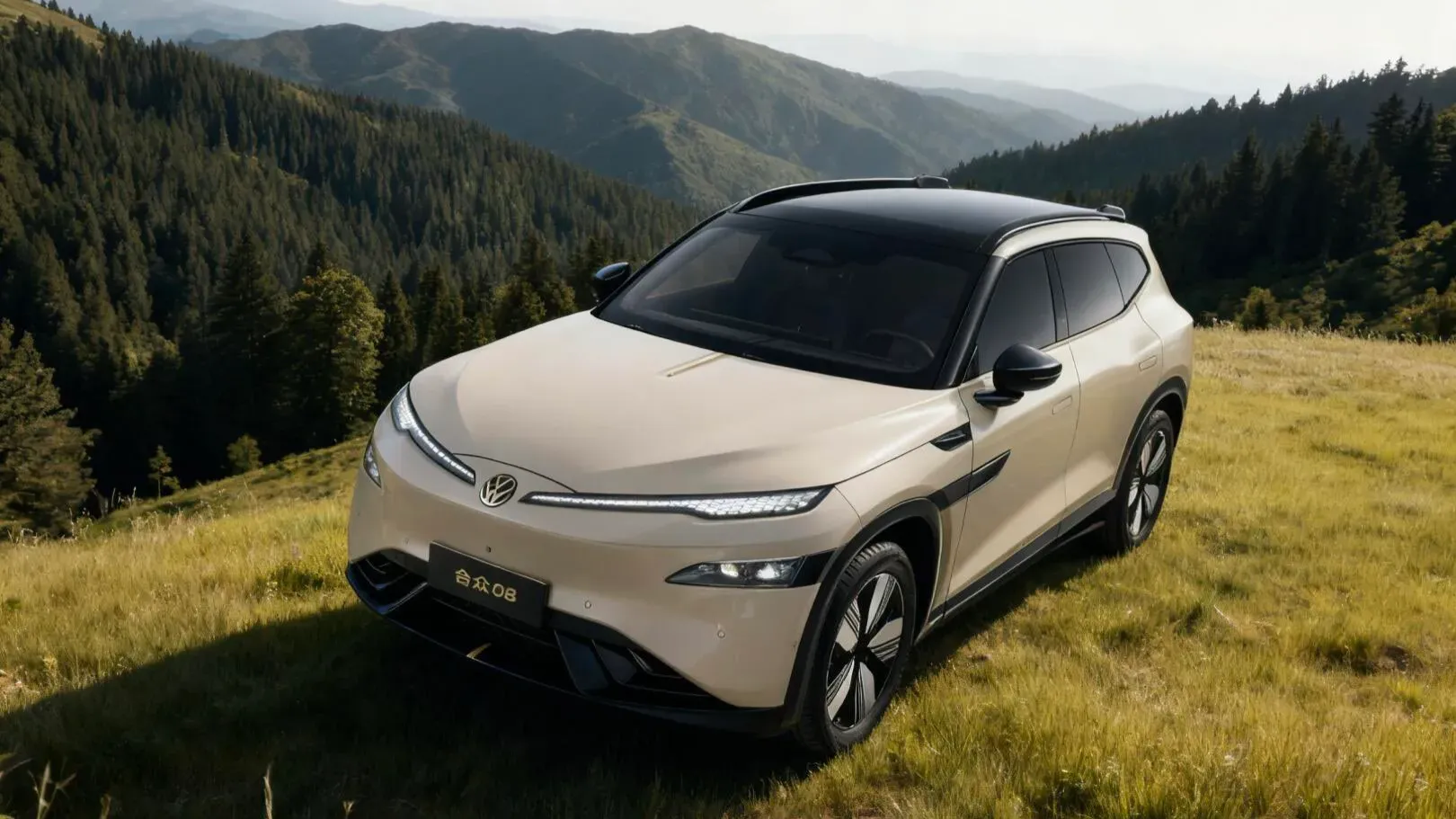
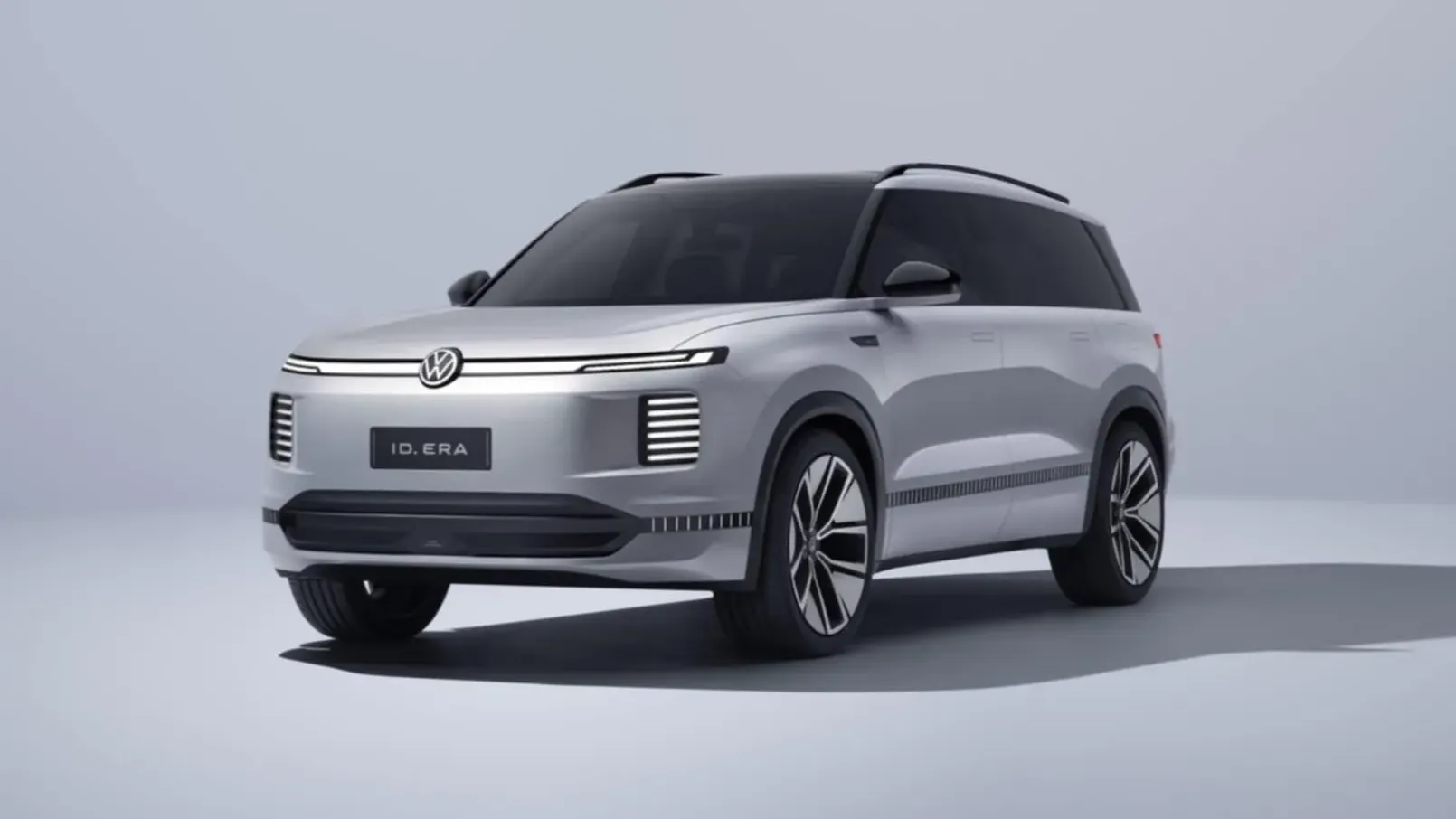
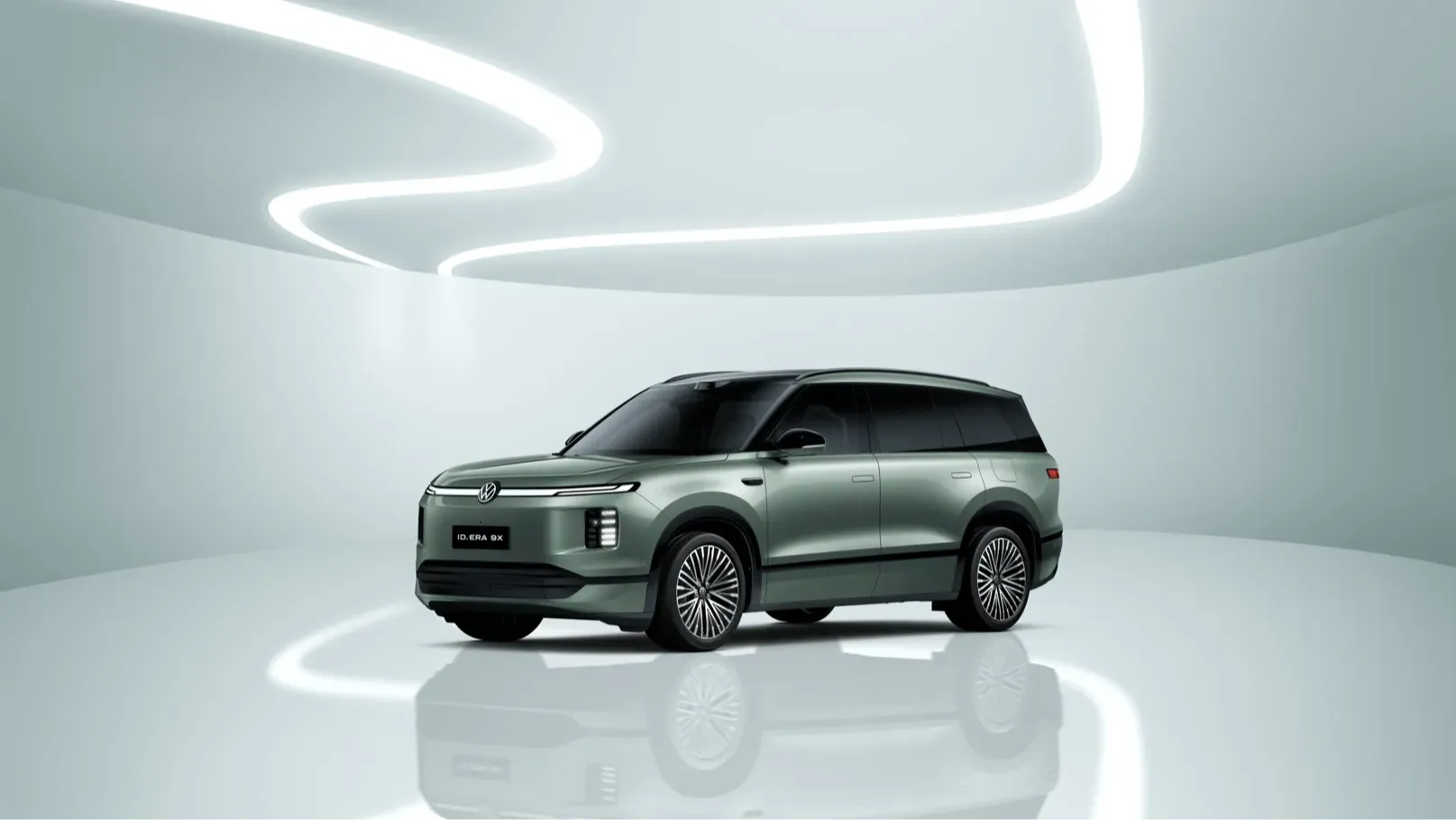
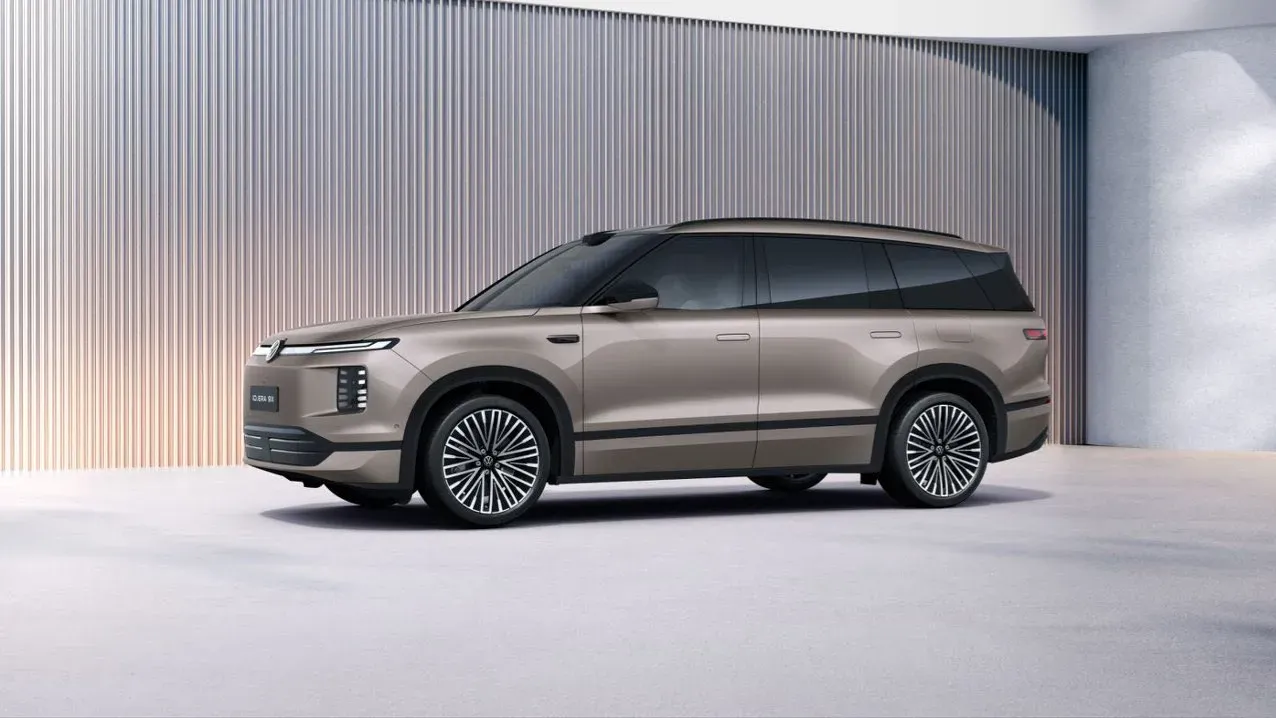
On February 28, 2026, SAIC-Volkswagen unveiled the full interior design of the ID. ERA 9X, its flagship extended-range electric SUV destined for the Chinese market, alongside a new exterior colour called "Forest Trail Green" — a shade described by the company as evoking forest light at dawn and featuring an angle-dependent iridescent effect that shifts between deep green and gold.
Source: SAIC-Volkswagen
The interior reveal marks a significant step toward a commercial launch expected in March 2026, with a potential public debut at the Beijing Auto Show in late April. The 9X is the first model under the ID. ERA sub-brand, which SAIC-Volkswagen formally announced at the Guangzhou Auto Show in November 2025 as its new energy vehicle product series.
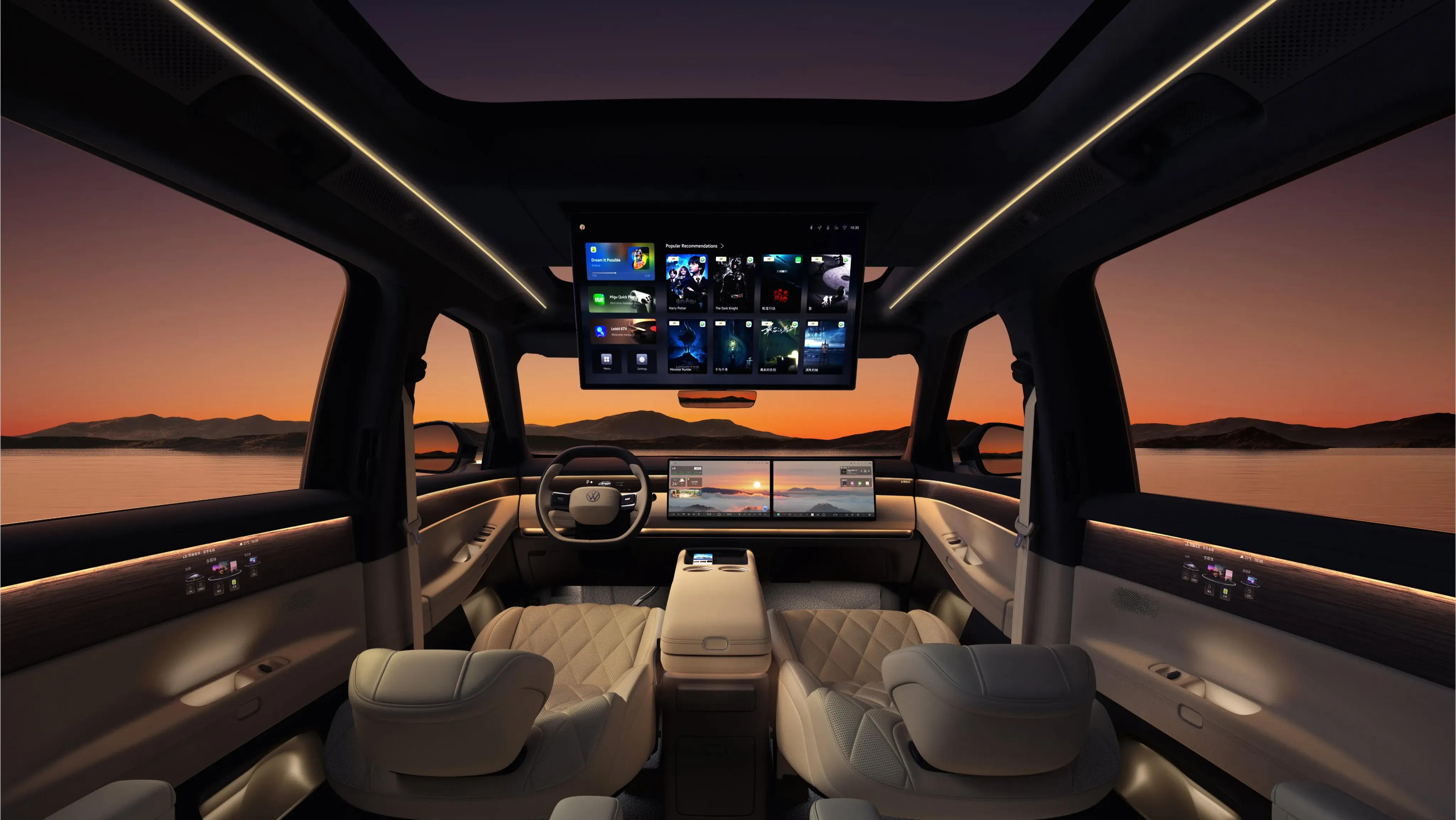
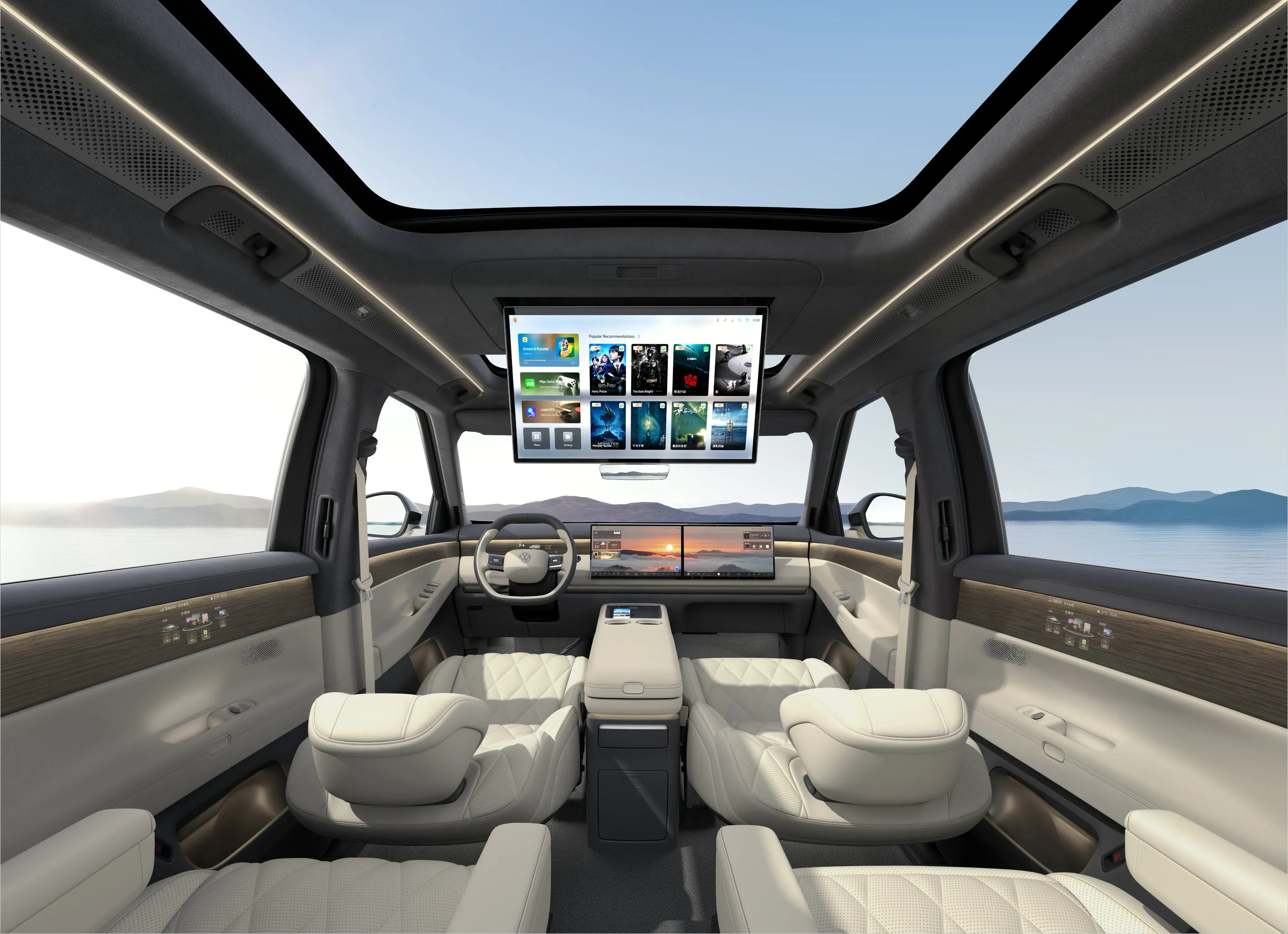
The cabin centres on what SAIC-Volkswagen describes as a "square and round" design philosophy, blending German functional aesthetics with an Eastern sense of spatial harmony.
Source: SAIC-Volkswagen
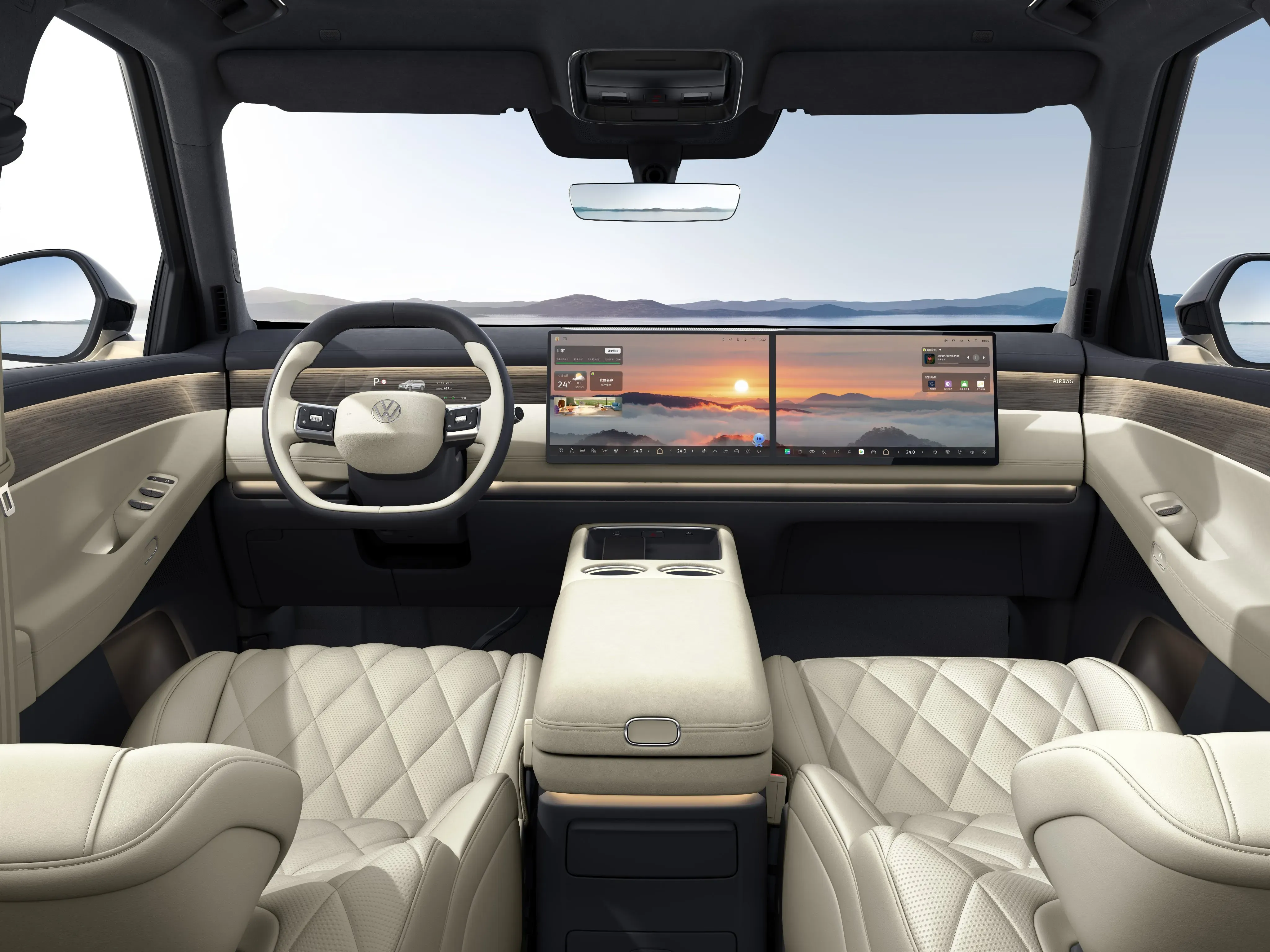
The layout features a wraparound cockpit structure, with the dashboard and door panels forming a continuous sweep that the company describes as an "offset floating" arrangement — staggered volumes intended to delineate functional zones while opening up visual space.
The result bears visible similarities to the interior language of XPeng (NYSE: XPEV) models, reflecting the deep technical partnership between Volkswagen Group and the Chinese EV maker, though the ID. ERA 9X was developed under the separate SAIC-Volkswagen joint venture.
Advertisement – Continue scrolling for more
A notable feature is the use of In-Mold Display (IMD) technology on the instrument panel and rear door trims. The screens remain invisible when inactive and activate seamlessly when in use, giving the surfaces a continuous material finish at rest.
Source: SAIC-Volkswagen
The cockpit is further distinguished by a two-spoke steering wheel, extensive wood grain trim, and a 12.8-metre ambient lighting strip running in four cabin zones using diffuse optical processing to spread light evenly across surfaces.
Source: SAIC-Volkswagen
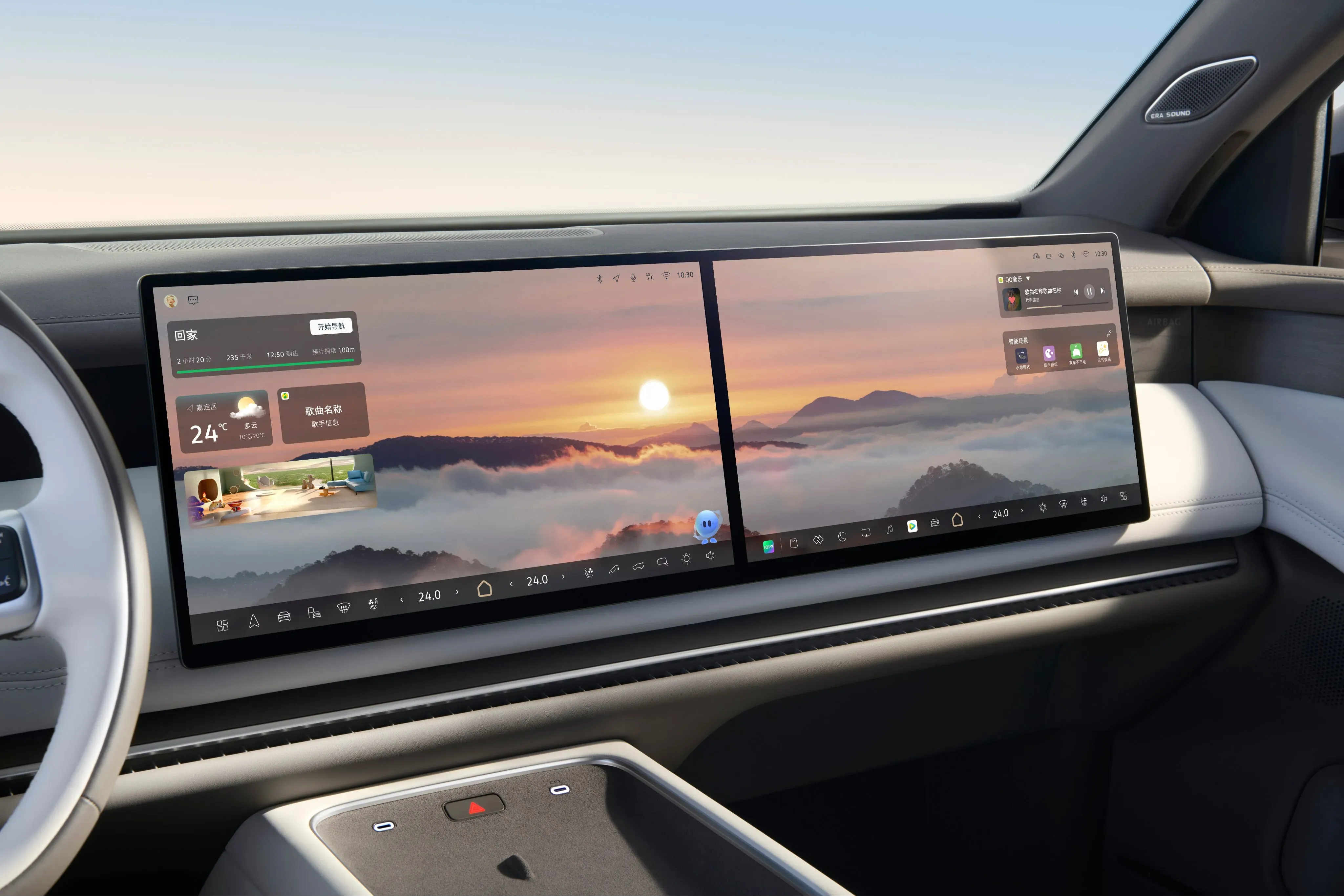
The infotainment layout pairs a 15.6-inch ultra-high-definition dual-screen for the driver and front passenger with a 21.4-inch foldable ceiling-mounted display for rear occupants, the latter fitted with a viewing-angle compensation film. No physical buttons are present in the centre tunnel, with most functions routed through touchscreen or voice interaction.
Advertisement – Continue scrolling for more
SAIC-Volkswagen describes the system as built around a multi-modal AI model designed to support what it calls "full-domain perception" and "empathetic interaction." The six-seat configuration, marketed under the slogan "every seat is centre stage," spreads space equally across all three rows.
Source: SAIC-Volkswagen
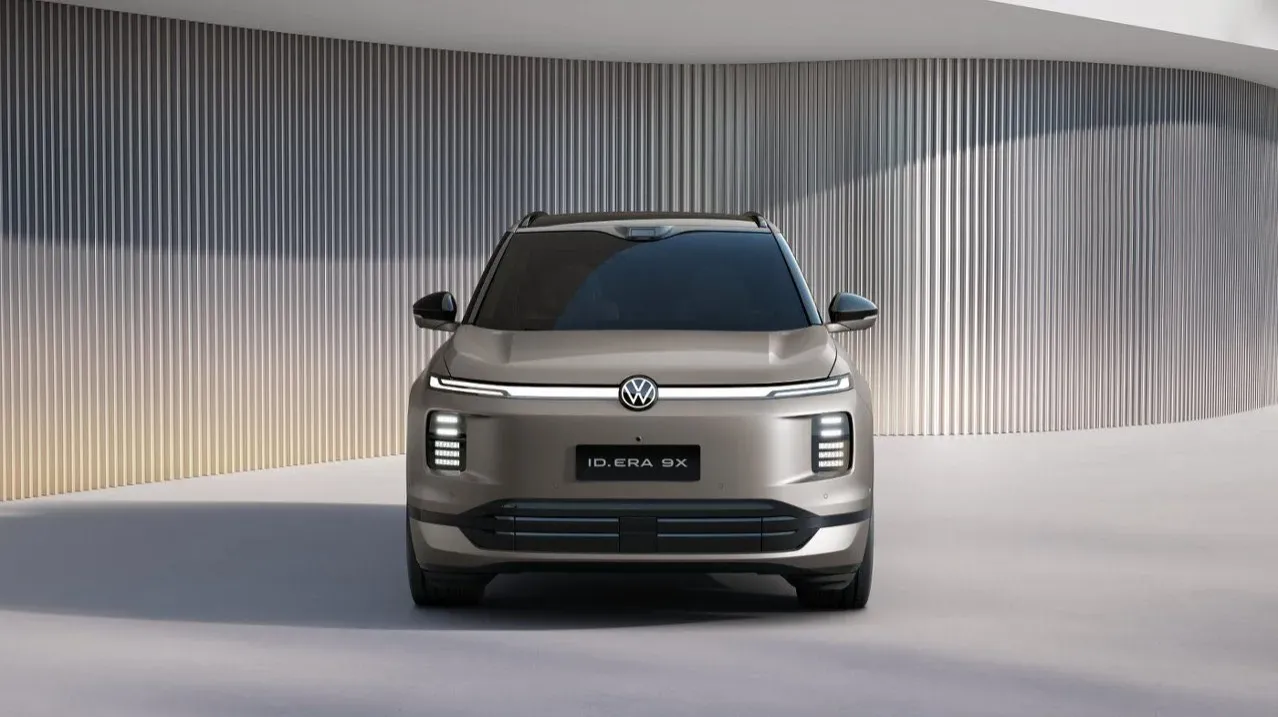
The 9X sits on dimensions of 5,207 mm × 1,997 mm × 1,810 mm with a 3,070 mm wheelbase (205 in × 78.6 in × 71.2 in, wheelbase 120.8 in), making it the largest SUV Volkswagen (ETR: VOW3) has ever produced — slightly longer than a BMW X7 and the only 9-series model in the Volkswagen Group globally. Three powertrain variants are offered, all using a SAIC Volkswagen-built 1.5-litre turbocharged EA211 ERV engine rated at 105 kW (141 hp) as a generator that never drives the wheels directly.
Advertisement – Continue scrolling for more
The entry-level rear-wheel-drive variant pairs a 220 kW (295 hp) rear motor with a 51.1 kWh lithium iron phosphate battery co-developed by CATL (HKG: 3750) and SAIC, delivering a WLTC electric range of 267 km (166 miles). The mid-range variant retains the same motor but upgrades to a 65.2 kWh NMC battery, extending WLTC electric range to 340 km (211 miles) and surpassing 400 km (249 miles) under the CLTC test cycle.
The flagship all-wheel-drive version adds a 160 kW (215 hp) front motor for a combined 380 kW (510 hp), with a WLTC electric range of 321 km (199 miles). All variants are capped at 200 km/h (124 mph), and combined total range across all versions exceeds 1,000 km (621 miles) with the range extender active.
Source: SAIC-Volkswagen
The 9X carries a roof-mounted LiDAR sensor and is equipped with an intelligent driver assistance system from Momenta, a Beijing-based ADAS supplier that counts SAIC-Volkswagen among its confirmed clients. The system supports highway, urban, and point-to-point navigation-assisted driving without reliance on high-definition maps. SAIC-Volkswagen has also confirmed a partnership with lidar supplier Tudatong, whose Lingque E1X sensor is scheduled for mass-production integration in 2026 models.
Pricing has not been officially announced. Industry sources and regulatory filings suggest the model is expected to target the 400,000 CNY segment (c. $58,300), placing it in direct competition with the Huawei-Seres AITO M9 — priced from 469,800 CNY (c. $68,500) — and the Li Auto L9.
Advertisement – Continue scrolling for more
The 9X is SAIC-Volkswagen's opening move in what general manager Tao Hailong has called a "Joint Venture 2.0" strategy, marking the company's shift from adapting globally designed products for China to building them specifically for Chinese buyers from the ground up. Five additional new energy models are planned by SAIC-Volkswagen for 2026.
Whether the combination of German reliability credentials and Chinese-market features can prise buyers away from established domestic names will depend heavily on the pricing reveal — likely the most consequential number this SUV has yet to put on the table.
Conversion rate: 1 USD = 6.86 CNY as of February 28, 2026
Advertisement – Continue scrolling for more